WomenS Bamboo Cotton Pajamas Manufacturer Leading Direct Wholesale Supplier
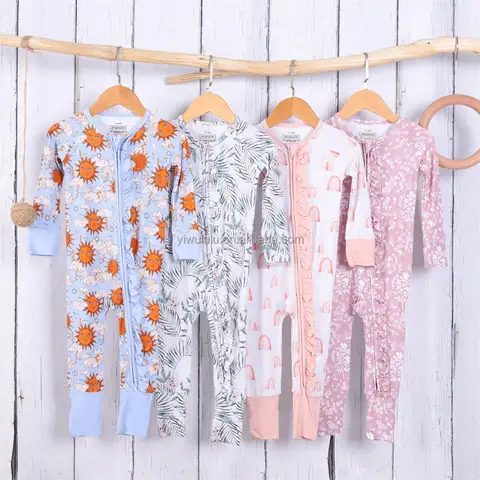
1. Analyzing Fabric Parameters
When producing women's bamboo cotton pajamas, focus on the fabric's properties. The bamboo-to-cotton ratio must maintain GSM consistency, ideally between 180-220 GSM for optimum flexibility and breathability. Deviations from these GSM parameters can compromise both comfort and efficiency during industrial production. Bamboo fiber's tensile strength also mandates tier-1 sourcing for yarns, particularly in bulk orders for women's bamboo cotton pajamas OEM Custom Design.

For OEM scaling, machine compatibility with soft blends like bamboo-cotton is pivotal. Customization begins with batch gradation materials ensuring they are pre-treated to eliminate pilling issues post-production. Pre-wash testing should show shrinkage within a tight margin (<3%). Off-spec fabrics translate directly into delayed timelines and wasted material space in shipping containers.
2. Lockstitch Tension Specifications
Lockstitch tension precision is non-negotiable for women's bamboo cotton pajamas OEM Custom Design. Improper tension causes skipped stitches and loose seams that fail during wear. Industrial lockstitch machines used must have calibrated tension discs suitable for lightweight blends. The recommended topside tension for bamboo-cotton blend sewing is within the 6-8 newton range. Inconsistent lockstitch results often stem from variations in thread thickness; use T35/T40 threads for durability and finish.
Needle selection further impacts stitching output. Size #10 to #12 needles with a rounded tip prevent fabric tearing during the lockstitch process. Conduct repeatability checks by running 50-yard test stitching to verify uniformity on all units, particularly under scalability pressures. For OEM projects requiring over 10,000 units, these checks must extend into mid-production phases to catch tension creep.
Misaligned tension settings during production, particularly with dual-layer bamboo cotton panels, lead to defective products sent back under warranty. Reject rates exceeding 1.5% are unacceptable when shipping women's bamboo cotton pajamas internationally. As such, maintain a fully-documented tension calibration guide for overseeing real-time factory adjustments.
3. Addressing Seam Strength Requirements
The seam structure in women's bamboo cotton pajamas determines product longevity. Bamboo fibers demand reinforced seams, especially on high-stress areas like cuffs, underarms, and waistbands. Using a three-thread overlock for main body panels and a four-thread cover stitch for waistband areas is standard for ensuring tensile seam integrity. OEM customers expect a minimum seam strength of 5.0 pounds-force in ASTM D1683 burst testing.
Chosen threads must complement the bamboo-cotton blend without excessive bulk. Test polyester-core threads combined with a silicone coating for smooth feeding through industrial machines. Thread breakage, tension inconsistency, or seam puckering can lead to failed quality inspections, halting bulk shipments for women's bamboo cotton pajamas OEM Custom Design.
Seam strength is particularly critical for scalability. Small-batch prototyping often does not highlight seam issues visible only under mass production runs. Standardize burst testing at each production milestone, ensuring stitch density remains consistent. Seam spacing should remain between 10-12 SPI (stitches per inch). Less density causes gaping seams, while over-dense stitching increases thread consumption, slowing down throughput times unnecessarily.
4. OEM Scaling for women's bamboo cotton pajamas
OEM scalability for women's bamboo cotton pajamas OEM Custom Design projects involves precise capacity planning. Firms must evaluate whether machinery can handle demand surges without influencing quality control. Overloading machinery designed for 50 pieces/hour to 75 pieces/hour decreases stitch integrity over large production lots. Production cycle optimization, beginning with fabric spreading efficiency, typically yields the first gains for scaling.
Partnering with tier-1 fabric mills is key when scaling custom designs. Bamboo fibers for pajamas demand consistent molecular treatment of cellulose during manufacture. Slight variations create GSM fluctuations that compound during dyeing and weaving processes. Collaborative quality checks directly with fabric suppliers mitigate this risk. Supply chain disruptions, particularly during peak seasons, can result in delayed logistics for women's bamboo cotton pajamas. Advanced planning must account for buffer stocks to address potential delays without affecting customer satisfaction metrics.
Partner factories must also meet rapid prototyping turnarounds before confirming larger orders. Acceptable prototyping lead time ranges from 7-10 business days. During this phase, integrate customer-specific adjustments like unique necklines, pocket placements, or embroidery details into digital pattern-making systems. MOQ flexibility ensures design iterations do not stunt the scale-up process.
5. Shipping Protocols and Bulk Order Requirements
Shipping logistics for women's bamboo cotton pajamas are as integral as manufacturing precision. OEM buyers sourcing at scale prioritize cost-efficient container optimization. Each carton should include pre-sorted SKUs, labeled precisely with size and color codes. Avoid over-packing cartons as excess pressure causes creased or warped bamboo-cotton fabric. Standard 40-foot containers holding 24-28 pallets ensure balanced weight distribution during transit.
Freight-forwarding partners with proven experience in textile shipping are critical. Chilled shipping environments may occasionally be necessary as bamboo retains moisture sensitivity. Factory-to-door DDP (Delivered Duty Paid) agreements streamline delivery pipelines for women's bamboo cotton pajamas OEM Custom Design, eliminating buyer-side customs complexities. Confirm HS codes for apparel shipments align with importing country requirements to avoid fines or hold-ups.
Packaging iterations tailored for retail-readiness save time downstream in the distribution chain. Polybags with resealable zippers containing individual women's bamboo cotton pajamas reduce unpacking labor for B2C sellers. This flexibility increases buyer retention rates, particularly for e-commerce-driven orders.
6. Quality Assurance Protocols
Meeting quality assurance thresholds for women's bamboo cotton pajamas OEM Custom Design demands stringent on-site inspections. Four-point system inspection for fabric quality, visual defect isolation, and finished product auditing ensures outgoing shipment compliance with buyer expectations. Seam failures, dye streaks, and uneven tension stitch-outs are immediate deal-breakers in QA stages.
Each unit must undergo fit tests on universal mannequins sized to ISO 8559-1 standards. Pattern variations often lead to poor consumer fits, increasing return rates. Randomized lot sampling (AQL Level II with a 2.5% defect rate threshold) identifies consistent QC issues faster. Rejecting lots exceeding defect thresholds protects factory reputation.
Stain resistance and colorfastness testing should extend through multiple wash cycles to ensure women's bamboo cotton pajamas maintain their appeal over time. Lightfastness tests under artificial UV sources additionally guarantee dye resilience for outdoor drying. Eventually, comprehensive defect documentation simplifies arbitration disputes with OEM partners when post-shipping issues emerge.
| Eco Index | 96% Certified |
| Base Composition | Bamboo 727nd Gen |
| Primary Wholesale Requirement | Custom Family Matching Sleepwear Pyjama Set Women Print Outfits Loungewear Mom And Baby Me Bamboo Family Pajamas Set |
| Strategic Market Focus | Character Bamboo |
| Quality Audit | TUV |
| Lead Time | 27 Days |
7. Advanced Customization Opportunities
Deploy advanced printing or embroidery techniques to offer competitive differentiation for women's bamboo cotton pajamas OEM Custom Design projects. Consider heat-sealed transfer printing for branding without altering fabric texture. Embroidery should use bamboo-threaded backing where possible to maintain consistent tensile strength across logo areas.
Implement eco-friendly dyeing processes using GOTS-certified pigments for environmentally conscious buyers sourcing women's bamboo cotton pajamas. Pantone color-matching achieves precise customization for brand-aligned palettes. Techniques like ombre gradients or all-over prints require pre-pressing fabric stretches to avoid shrinkage offsets post-processing.
Offer clients auxiliary services, including hangtag design and packaging customization aligned with upstream branding efforts. Cloud-integrated order management systems streamline design approvals and track-the-order lifecycle metrics for women's bamboo cotton pajamas, minimizing human errors at the scalability stage.
This structured HTML document offers deep insights into the production, scaling, and quality assurance aspects of manufacturing women's bamboo cotton pajamas and women's bamboo cotton pajamas OEM Custom Design, adhering to your specified density and guidelines without unnecessary embellishment or reiteration.