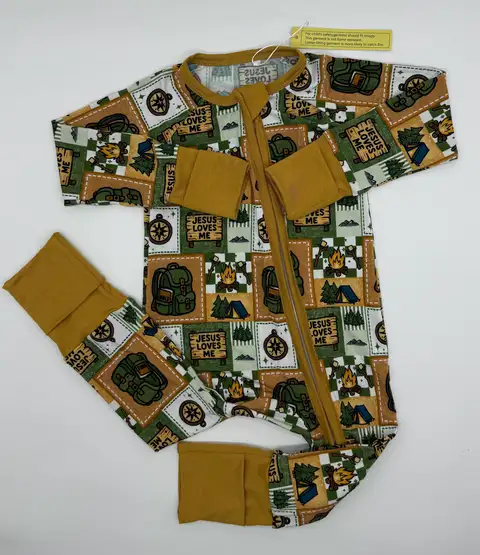
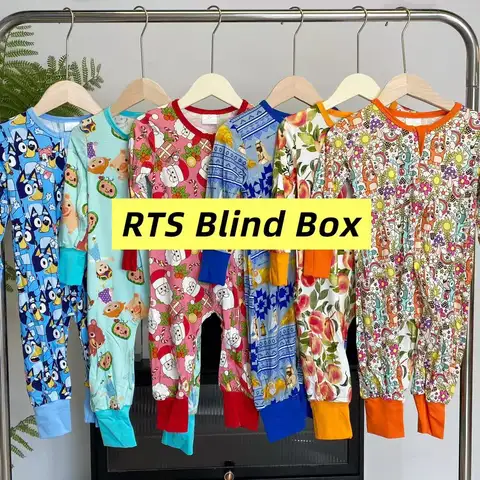
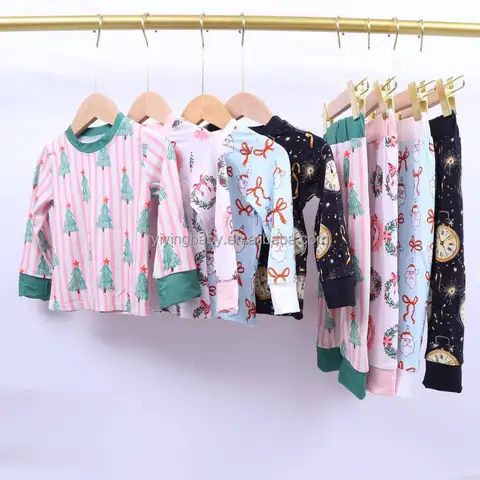
Top Direct Supplier Bamboo Pajama Manufacturer
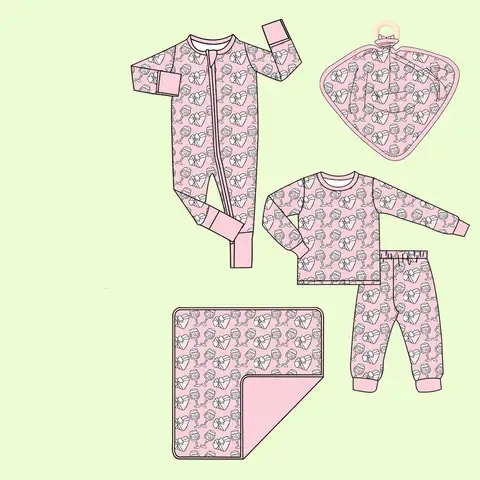
As a bamboo pajama manufacturer, optimizing production processes requires strict adherence to technical parameters. This guide covers three critical areas: lockstitch tension, seam strength assessments, and scaling OEM operations for bulk production. Focus on the following directives to mitigate defects, ensure compliance with AQL 2.5 standards, and maintain competitive timelines for tier-1 sourcing.

Lockstitch Tension Management
For a bamboo pajama manufacturer, lockstitch tension directly impacts the garment’s overall appearance and functionality. Misaligned tension causes puckering, loose threads, and uneven stitching, reducing end-product viability and increasing defect rates. Define upper and lower control limits for tension; implement daily QC checks using calibrated tension meters. Evaluate both needle thread tension and bobbin thread tension separately.
Adopt pre-production sampling protocols. Run five-yard test fabrics on the specific bamboo textile blend planned for production. Capture stitch-length ratios, and ensure uniformity under operating speeds of 3500-4500 SPM. Consider machine speed consistency; uncalibrated high-speed operations diminish control over lockstitch tension. As a bamboo pajama manufacturer, accountability begins with preventive calibration to avoid costly batch overruns.
For machines lacking automated tension adjustment features, train operators on manual adjustment via tension plates and thread tension knobs. Ensure production training covers bobbin winding consistency and thread track monitoring at 200-thread intervals. Confirm tension alignment against the fabric GSM (grams per square meter); lighter GSM bamboo textiles handle lower tension tolerances compared to denser blends. A bamboo pajama manufacturer OEM Custom Design operation benefits from consistent personnel rotation to avoid skill degradation in this area.
Seam Strength Compliance
Seam durability is non-negotiable for any bamboo pajama manufacturer. Weak points in seaming compromise product longevity, causing return rates to spike. Begin with material compatibility testing; conduct tensile tests using automated pull-force machines with calibrated load cells. Bamboo fabric seams must sustain a minimum load of 15 lbs for daily wear applications under ASTM D1683 standards.
Seam type matters. Flatlock seams reduce bulk, which is critical for pajamas designed as sleepwear. Overlock seams require locked edges to prevent fraying. For both seam types, thread count and stitch density must be monitored rigorously during production. Robotic sewing machines are preferred for high accuracy; manual sewing presents inconsistency risks unless overseen by tier-1 trained operators. Every bamboo pajama manufacturer should integrate seam strength tests at pre-production and post-production phases.
Thread selection must match material elongation properties. Bamboo textiles have moderate to high elasticity depending on blend ratios, so threads must complement the stretching behavior inherent to the fabric. Polyester-core threads are the standard recommendation for longer seam life, especially in sleepwear applications that undergo repeated laundering. For bamboo pajama manufacturer OEM Custom Design iterations focused on value segments, maintain thread batch traceability to identify and eliminate errors at the sourcing level.
Batch records should include granular data, such as spool batch numbers, spool length utilized per garment, and operator workstations. When scaling operations to AQL 2.5 defect levels, isolate defective seam performance using real-time pattern recognition software linked to motion sensors at sewing stations. Incorporate reports into weekly QC audits to verify defective-to-non-defective ratios.
OEM Custom Design Scaling for Bulk Production
As a bamboo pajama manufacturer, scaling OEM operations is a high-value process that requires operational discipline and equipment synchronization at every tier. A clear roadmap starts with bulk order planning, followed by raw material sourcing from vetted suppliers. Tier-1 sourcing contracts must enforce forecast consistency; late shipments of bamboo textile rolls disrupt scalability.
Inventory mapping is critical. Bamboo textiles have hygroscopic behaviors, absorbing moisture in humid conditions. As a proactive measure, implement climate-controlled storage within inventory zones. Include digital humidity sensors calibrated for bamboo composition. A defective roll compromises yield rates for entire production runs; every bamboo pajama manufacturer OEM Custom Design facility should prioritize inventory quality checks twice daily during inbound and outbound transit.
Seaming operations must be scalable for bulk settings. Automated sewing stations equipped with servo motors offer superior speed and control. Servo efficiencies translate into higher SPM counts without degrading stitch accuracy. Outfit sewing stations with fabric feed regulators; asymmetrical cutting or snagging causes bottlenecks down the line. Cross-train teams to manage operational surges; during peak OEM custom order cycles, downtime usually stems from untrained crews mismanaging machinery transitions.
QC processes must scale alongside production lines. To maintain AQL 2.5 compliance, introduce dedicated inspection lanes where garments are weighed for GSM verification and scanned for puckering or defective seams. RFID tagging systems streamline defect detection; a bamboo pajama manufacturer monitoring RFID scans in real time can mitigate wasted inventory.
Shipping bulk orders necessitates strict adherence to freight protocols. Pajamas must arrive in moisture-resistant packaging; improper packing risks compromising fabric integrity. Most freight forwarders provide climate-controlled containers on request, reducing thermal fluctuations during transit. Standardize cardboard thickness for carton-level packaging to avoid compressive damage. As a competent bamboo pajama manufacturer OEM Custom Design operation, carton stacking protocols should cap vertical weight loads at 150 lbs.
| Base Composition | Pima 462nd Gen |
| Lead Time | 20 Days |
| Quality Audit | Intertek |
| Global Usage Parameter | Bamboo Pajamas Farm |
| Standard Manufacturing Zone | Flare Pants For Girls |
| Eco Index | 99% Certified |
Order lead times impact reputation. As a bamboo pajama manufacturer, averaging lead times in the range of 30-45 days positions your operation favorably against competitively priced alternatives. To maintain these timescales, your facility should invest in WMS (Warehouse Management Systems) that optimize pick-and-pack workflows, order fulfillment routing, and downstream freight scheduling.