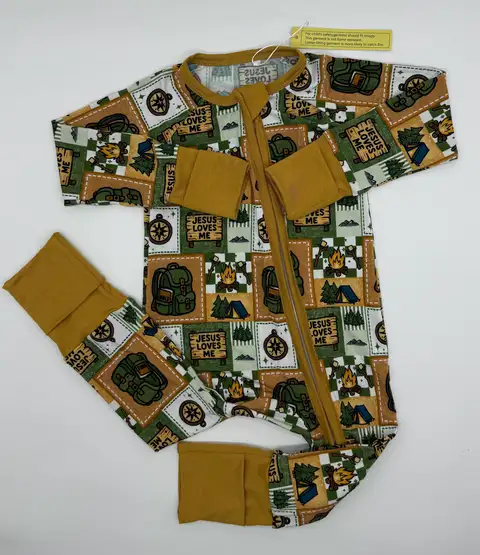
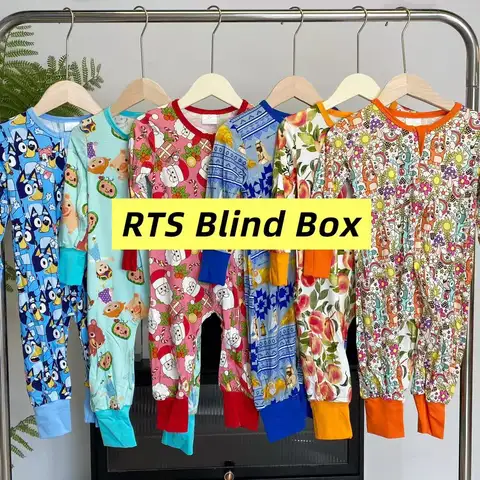
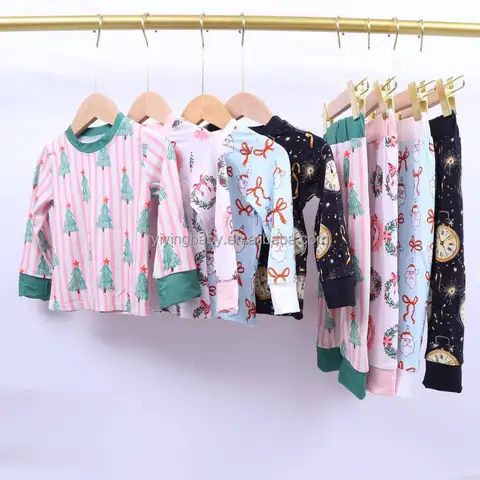
Tailormade Kids Clothing Wholesale Odm Manufacturer

Understanding Compliance and Quality Assurance in Kids Clothing Wholesale
The kids clothing wholesale market is a dynamic, yet challenging sector, marked by an increasing demand for quality and compliance with regulatory standards. Wholesale providers must navigate these challenges effectively to deliver safe, reliable, and desirable products. This article aims to shed light on the importance of complying with the Consumer Product Safety Improvement Act (CPSIA) and conducting quality control (QC) audits, which are integral to this industry.
The Importance of CPC/CPSIA Compliance
In the United States, the Consumer Product Safety Commission (CPSC) governs the safety standards for children's products through the CPSIA. For kids clothing wholesale businesses, compliance with CPC/CPSIA is not just a legal requirement; it's essential for maintaining trust and credibility within the market. These regulations are designed to ensure that children's garments are free from harmful substances and comply with strict safety standards.
CPSIA compliance involves stringent testing and labeling requirements. Wholesalers must ensure that their products are tested by CPSC-accepted laboratories to confirm they meet all specified safety criteria. This includes evaluating risks associated with lead content, phthalates, flammability, and other hazardous materials.
Key Testing and Certification Requirements
Testing procedures under CPSIA require attention to detail and a proactive approach. Proper testing involves several key steps:
- Lead Testing: Garments must adhere to the CPSIA limit, which restricts lead content to no more than 100 ppm.
- Phthalate Testing: All components of children's clothing must comply with the ban on certain phthalates, requiring a thorough examination of materials used.
- Flammability Standards: Evaluate the burn rate of materials to ensure garments meet flammability requirements, particularly for sleepwear.
- Tracking Label Requirements: Ensure each product has a permanent tracking label with information including the batch number, manufacturer details, and production date.
Successfully navigating these requirements leads to the issuance of a Children’s Product Certificate (CPC), affirming the safety and compliance of the products. This certificate is crucial for legal distribution and providing assurance of quality to retailers.
The Role of Quality Control Audits
Beyond regulatory compliance, QC audits play a critical role in ensuring the ongoing quality and safety of kids clothing. These audits help identify and rectify potential issues before they impact the market or customer health. A robust QC system ensures consistency in production and adherence to quality standards.
Components of Effective QC Audits
An effective QC audit for kids clothing should encompass multiple facets:
- Design Review: Assess the design specifications against safety standards, identifying potential hazards inherent in design such as sharp edges or strings that could pose choking risks.
- Material Inspection: Dive deep into material selection, verifying that fabrics meet industry standards for durability, comfort, and safety.
- Production Oversight: Regularly monitor manufacturing processes to ensure adherence to established quality protocols, reducing the likelihood of defects.
- Finished Product Evaluation: A thorough review of the final products ensures compliance with both design and safety specifications before shipment.
By adhering to these audit components, wholesalers can significantly enhance product reliability and customer satisfaction, mitigating risks of recalls or legal implications.
Building Trust in the Wholesale Market
For kids clothing wholesalers, building trust goes beyond mere compliance. It hinges on establishing a reputation for delivering high-quality, safe products consistently. Engaging retailers and end-buyers can be significantly enhanced by demonstrating a commitment to safety and quality through transparent practices and open communication.
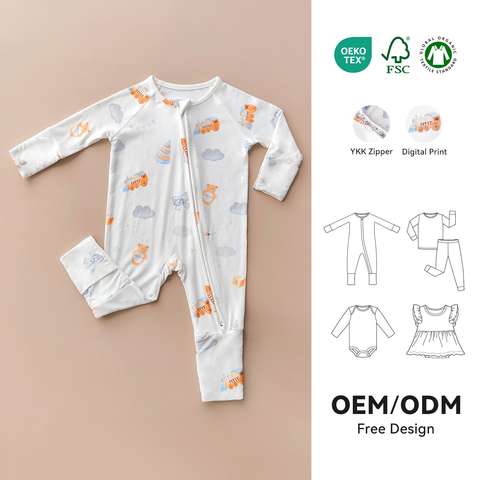
| Fabric Type | Organic Bamboo |
| Compliance | GOTS Organic |
| Customization | Tailor-made |
| Lead Time | 32 Days |
Developing strong relationships with testing laboratories and maintaining open lines of communication with regulatory bodies are both crucial practices. By doing so, businesses can stay ahead of regulatory changes and remain compliant, ensuring their products' ongoing legal status and market viability.
Kids clothing wholesale requires navigating complex regulatory landscapes, primarily governed by CPC/CPSIA requirements, alongside rigorous quality control measures. By understanding and applying these standards, wholesalers not only fulfill legal obligations but also ensure their products are safe, compliant, and of high quality. In doing so, they build trust within the industry, laying the foundation for lasting business success.
The road to mastering compliance and quality assurance is intricate yet essential. Wholesalers who invest in these processes position themselves as leaders in a competitive market, earning the confidence of retailers, caretakers, and, most importantly, the children who wear their clothes.