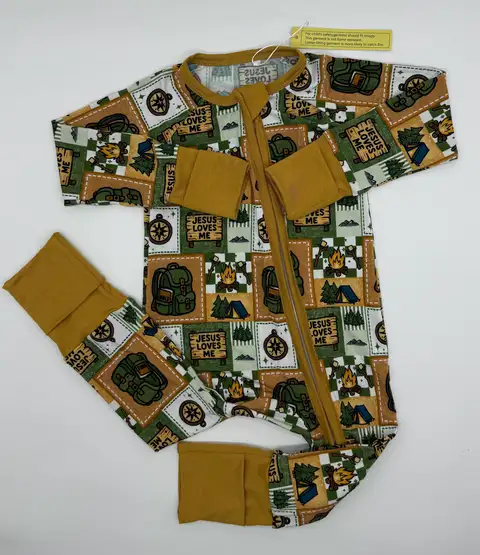
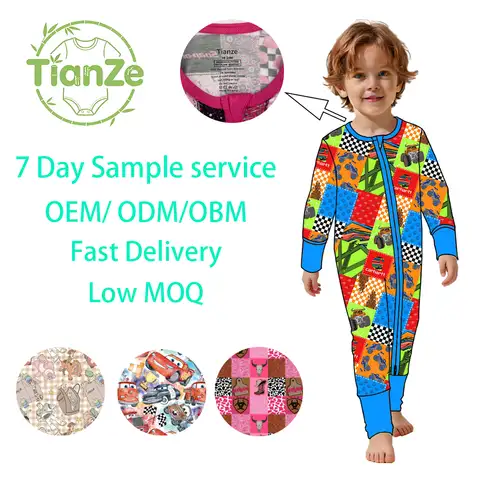
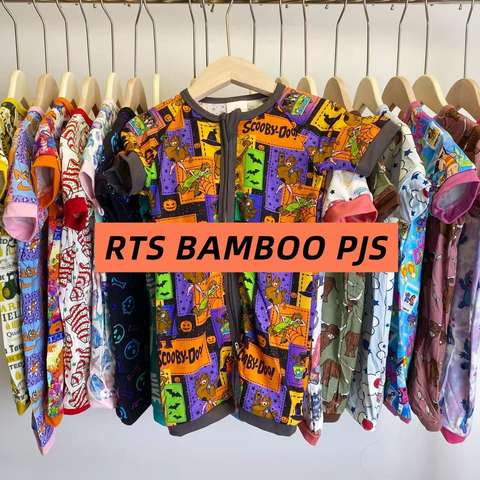
Tailormade Childrens Clothing Manufacturers Bespoke Wholesale
Ensuring Compliance and Quality: The Role of Children's Clothing Manufacturers
In the highly regulated world of children's clothing manufacturing, understanding and complying with the Consumer Product Safety Improvement Act (CPSIA) and the Code of Federal Regulations regarding the Consumer Product Safety Commission (CPSC) standards is crucial. These legal requirements are designed to ensure the safety, quality, and appropriate age suitability of children's apparel. This article provides a technical overview of compliance and quality control audits in the children's clothing sector.
The CPSIA: Navigating Legal Requirements
The Consumer Product Safety Improvement Act (CPSIA) of 2008 significantly enhanced the regulatory landscape for products intended for children, including clothing. CPSIA mandates stringent testing and certification processes to ensure products meet specific safety standards. The key requirements include:
- Lead and phthalates limits: Children's clothing must comply with strict limits on lead content—100 ppm for any accessible part—and specific phthalates standards.
- Mandatory third-party testing: Manufacturers must submit samples to accredited third-party laboratories for testing to verify compliance.
- Tracking labels: Each product must have a tracking label, providing information on the source, production date, and batch, aiding in recalls if necessary.
Failure to comply with these standards can not only lead to fines but also significant product recalls, damaging reputations and financial standing. Thus, understanding these requirements is imperative for manufacturers aiming to thrive in the market.
The Role of CPC Standards
The Code of Federal Regulations as administered by the CPSC provides additional layers of protection specific to children's apparel. These regulations encompass:
- Choking hazards: Clothing must avoid any components that could pose choking hazards to young children.
- Flammability standards: Fabrics must meet specific flammability standards, primarily through the Flammable Fabrics Act ensuring that high-risk materials aren't used in children's attire.
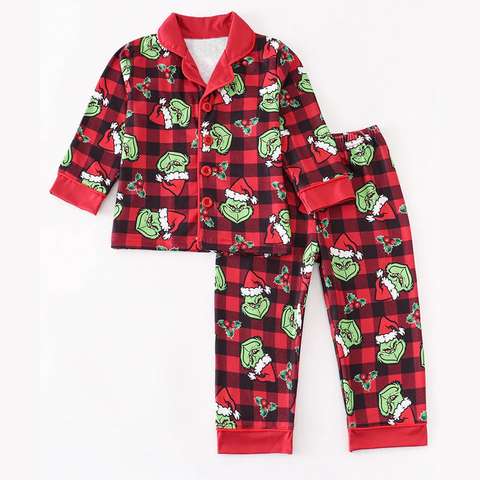
- Sleepwear regulations: For children’s sleepwear specifically, CPSC mandates strict flammability standards for sizes above 9 months to mitigate fire risks during sleep.
These regulations are designed not only to protect young consumers but also to guide manufacturers in producing safe and compliant products.
Implementing Quality Control Audits
Quality control (QC) audits are fundamental to ensuring ongoing compliance with CPSIA and CPC standards. Effective QC audits help manufacturers identify potential quality issues early and streamline the production process to maintain high standards throughout the supply chain. Consider these steps:
| Fabric Type | Pima Cotton |
| Compliance | CPSIA Compliant |
| Customization | OEM |
| Lead Time | 15 Days |
- Pre-production audits: Assessing raw materials and components for compliance with CPSIA standards before production begins.
- During-production checks: Regular monitoring during the production process to ensure continual compliance and quality alignment.
- Post-production audits: Conducting final inspections once products are manufactured, involving comprehensive testing to certify quality and compliance.
By rigorously implementing QC audits, manufacturers can avert costly recalls and legal issues, reinforcing their commitment to safety and quality.
Best Practices for Manufacturers
Adhering to best practices is essential for children's clothing manufacturers aiming for compliance and competitive advantage. Here are key strategies:
- Educational investment: Regular training for staff on updated CPSIA and CPSC standards, to ensure everyone involved in production is knowledgeable and up-to-speed with current regulations.
- Supplier partnerships: Collaborating with reputable suppliers who can guarantee material compliance and quality assurances, reducing risks associated with non-compliant imports.
- Technology integration: Leveraging technology to enhance traceability, including RFID tracking and digital records management, which assist in compliance audits and recall management.
Manufacturers who adopt these best practices can foster a sustainable business model centered around compliance, quality, and consumer trust.
, children's clothing manufacturers must navigate the complex legal landscape set forth by the CPSIA and CPC standards. Through diligent adherence to legal requirements and robust QC audits, these manufacturers not only ensure their products are safe but position themselves as leaders in their industry, trusted by consumers and partners alike.