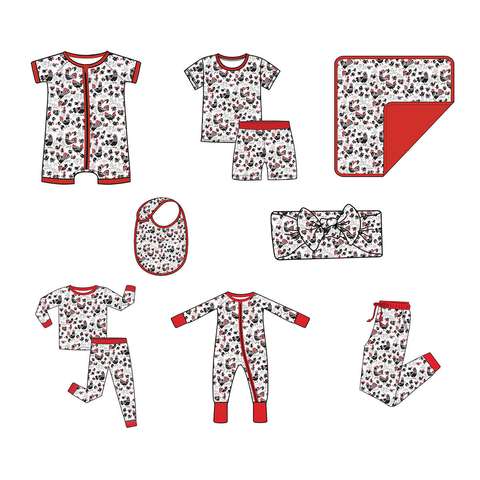
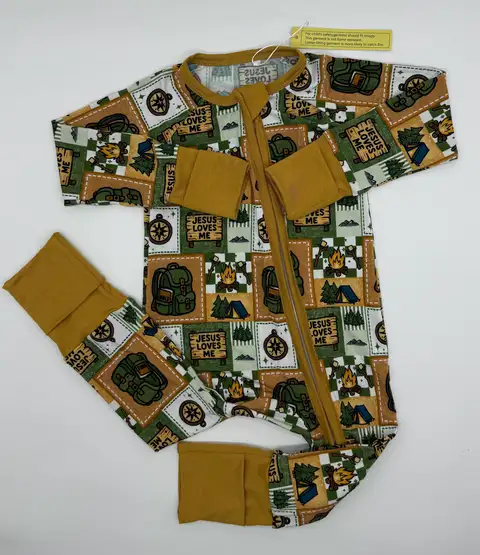
Tailormade Bamboo Baby Sleepers Wholesale Cpsia Compliant Manufacturer

Understanding CPC/CPSIA Requirements for Bamboo Baby Sleepers Wholesale
In recent years, bamboo baby sleepers have become increasingly popular due to their eco-friendliness, softness, and hypoallergenic properties. However, when dealing with wholesale distribution, businesses must navigate the complex landscape of compliance with regulations such as the Consumer Product Safety Improvement Act (CPSIA) and Children's Product Certificate (CPC) requirements. This article explores the legal nuances and quality control audits necessary for the successful distribution of bamboo baby sleepers.
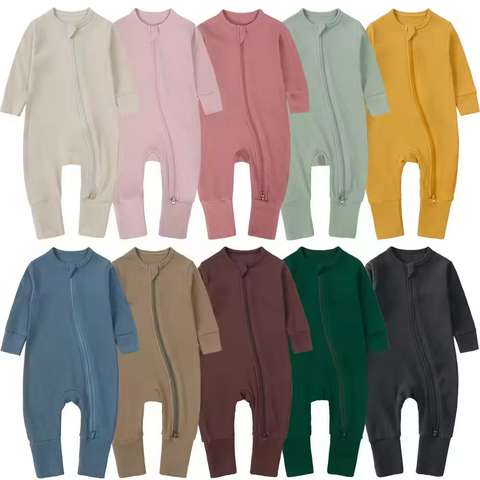
Legal Framework: CPC and CPSIA
The CPSIA, enacted by the U.S. Congress in 2008, imposes strict guidelines on manufacturers and distributors of children's products. Its primary aim is to prevent the sale of products that pose safety risks to children under 12 years of age. As a B2B wholesaler, understanding the CPC/CPSIA requirements is crucial in ensuring compliance and maintaining a reputable brand image.
For bamboo baby sleepers, the CPSIA necessitates rigorous testing to verify the absence of hazardous elements such as lead and phthalates. , the CPC is a document that certifies the safety and compliance of children's products, detailing the tests conducted and their corresponding results. The CPC must accompany each product shipment, confirming that the sleepers meet all applicable safety standards.
Compliance Testing for Bamboo Baby Sleepers
Compliance testing is an integral part of meeting CPC/CPSIA requirements. Different types of tests are necessary to ensure that bamboo baby sleepers are safe for use. Here are some of the critical tests that should be performed:
- Flammability Testing: Given that baby sleepers are worn extensively, they must adhere to flammability standards to prevent any potential hazards during unforeseen circumstances.
- Chemical Testing: Tests for hazardous chemicals, including lead, cadmium, and phthalates, are crucial in ensuring the materials used do not pose any health risks to infants.
- Mechanical Testing: Mechanical tests assess the durability of sleepers, ensuring buttons and other components are securely attached, thereby avoiding choking hazards.
- Labeling Requirements: Each bamboo baby sleeper must have accurate labeling, including care instructions, to comply with CPSIA labeling standards.
Quality Control (QC) Audits in Bamboo Baby Sleepers Wholesale
Quality control audits play a pivotal role in maintaining product standards and compliance. These audits are systematic inspections of production processes, helping to identify deficiencies or areas of improvement. For bamboo baby sleepers, QC audits help guarantee the product's reliability and quality before reaching consumers.
Conducting regular QC audits minimizes the risk of non-compliance with CPC/CPSIA regulations and enhances the product quality. Here are some core components involved in QC audits:
- Supply Chain Verification: Audits ensure that all materials sourced for production are in compliance with regulations and maintain high-quality standards.
- Process Controls: Systematic checks during various production stages help detect defects early in the manufacturing process.
- Final Product Inspection: Pre-shipment inspections of bamboo baby sleepers guarantee compliance with all specified standards and diminishes the possibility of delivering substandard products.
The Importance of Record Keeping and Documentation
Record keeping and documentation are fundamental aspects of maintaining compliance with CPC/CPSIA requirements. Accurate records provide a comprehensive overview of the production process, tests performed, and audit outcomes, serving as critical evidence during regulatory inspections.
Documents like the CPC must be meticulous and accessible, enabling seamless tracking of the product’s compliance status. Clear documentation simplifies transparency between wholesalers and retailers, fostering trust and ensuring swift resolution in the event of a recall.
Strategies for Effective Compliance in Wholesale Distribution
To effectively navigate the compliance landscape, adopt proactive strategies that integrate legal requirements with operational processes. Here are some actionable strategies:
| Fabric Type | Pima Cotton |
| Compliance | CPC Certified |
| Customization | Bespoke |
| Lead Time | 20 Days |
- Partner with Accredited Labs: Collaborating with accredited testing laboratories ensures precise compliance testing for bamboo baby sleepers, offering peace of mind.
- Invest in Training Programs: Continuous training for staff regarding CPC/CPSIA guidelines solidifies understanding and application of compliance practices.
- Adopt Automated Systems: Utilizing automated tracking systems simplifies monitoring and documenting compliance processes, reducing errors and improving efficiency.
- Engage Legal Expertise: Consulting with legal experts specializing in consumer product safety laws provides crucial insights, aiding in comprehensive compliance management.
The wholesale distribution of bamboo baby sleepers demands thorough understanding and management of CPC/CPSIA requirements and QC auding processes. Ensuring legal compliance and maintaining high-quality standards resonate well with consumers, elevating brand reputation and ensuring business growth in the competitive landscape. By addressing compliance through strategic insights and rigorous auditing, wholesalers can confidently deliver exceptional products to their partners and clients.