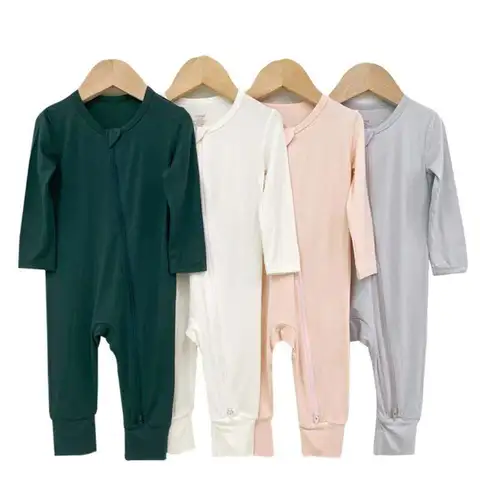
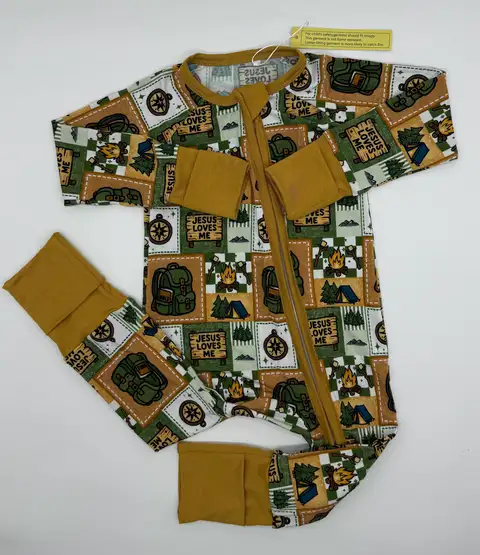
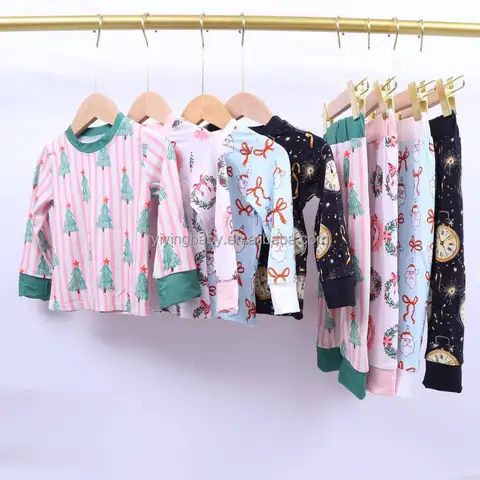
Tailormade Baby Girl Clothes Wholesale Private Label Wholesale
The Landscape of Baby Girl Clothes Wholesale
In the dynamically evolving industry of children's apparel, particularly baby girl clothes, wholesalers must navigate complex challenges. These include meeting stringent legal requirements set forth by the Consumer Product Safety Commission (CPSC) under the Consumer Product Safety Improvement Act (CPSIA), conducting thorough Quality Control (QC) audits, and maintaining competitive market offerings. For businesses engaged in wholesale distribution, understanding these facets is crucial for compliance and achieving business success.
Understanding CPC/CPSIA Regulations
The Consumer Product Safety Improvement Act (CPSIA), implemented in 2008, mandates specific requirements for children's products including baby clothing. These regulations ensure that products are safe for young consumers, reducing the risk of injury and promoting the well-being of children. Wholesale businesses involved in baby girl clothes must prioritize compliance with these laws, which involve several critical criteria:
- Lead Content Limits: CPSIA sets a strict limit on the amount of lead that can be present in children’s clothing. Fabrics and components must be tested to ensure lead content does not exceed 100 ppm. Wholesalers must ensure their suppliers provide certified materials that meet these limits.
- Phthalate Restrictions: Items like buttons, snaps, and fasteners must be composed without specific phthalates, which are often found in plastics and can pose health risks. Phthalate testing is another essential compliance requirement.
- Tracking Labels: Each item must carry a permanent tracking label that includes relevant information such as the manufacturer, batch number, and production date. This label facilitates product recalls and quality tracking.
- Flammability Standards: CPSIA dictates stringent flammability requirements for children’s sleepwear, including baby girl pajamas. These garments must pass flammability tests, implying careful material choice and manufacturing processes.
- Testing and Certification: All products must undergo testing by a CPSC-accredited laboratory. Wholesalers need certificates confirming that items meet all CPSIA requirements before distribution.
The Importance of Quality Control (QC) Audits
Conducting QC audits is imperative for wholesalers of baby girl clothes, ensuring products meet quality and safety standards while maintaining brand reputation. A comprehensive QC process involves:
- Supplier Evaluation: Assess the credibility and compliance history of suppliers prior to engagement. This evaluation includes reviewing past audit reports, ensuring adherence to quality standards, and verifying testing certifications.
- In-Process Inspections: Regular inspections during production help identify issues early. On-site visits and surprise audits can enforce compliance and maintain continuous quality standards.
- Finished Goods Inspection: Inspecting final products for defects such as stitching errors, fabric inconsistencies, and inappropriate sizing ensures defective merchandise does not reach final consumers.
- Laboratory Testing: Besides in-house inspections, sending samples for laboratory testing verifies compliance with CPSIA standards. Laboratories provide third-party validation of material safety, particularly for chemical content.
Strategies for Success in the Wholesale Market
The wholesale market for baby girl clothes offers significant opportunities for growth, albeit with challenges. Achieving success demands strategic approaches:
| Fabric Type | Pima Cotton |
| Compliance | CPC Certified |
| Customization | Custom |
| Lead Time | 33 Days |
- Building Strong Supplier Relationships: Develop partnerships based on trust and transparency with suppliers who prioritize quality and compliance. Regular communication and collaborative problem-solving enhance reliability.
- Compliance as a Value Proposition: Branding your wholesale business as compliant with CPC/CPSIA standards can attract safety-conscious retailers. Highlighting your company's dedication to safety can serve as a competitive differentiator.
- Marketing to Niche Markets: Specializing in organic, eco-friendly, or hypoallergenic clothing can tap into niche markets favored by parents concerned with their children's well-being.
- Innovation in Design and Material: Staying at the forefront of design trends while incorporating safe materials opens doors to capturing market share. Consider investing in research and development to explore new fabric technologies.
- Sustainability Initiatives: Eco-conscious consumers are increasingly favoring companies with sustainability practices. Explore sustainable manufacturing processes and materials recycling to appeal to this demographic.
The wholesale industry for baby girl clothes demands adherence to legal standards and a focus on quality control to ensure product safety and business success. Complying with CPC/CPSIA regulations not only prevents liability but also enhances market credibility. Invest in robust QC audit processes to uphold high-quality standards, and strategically position your business to capture market opportunities through innovation and sustainability. By doing so, wholesalers can effectively navigate challenges and leverage strengths to thrive in a competitive and consumer-driven market.