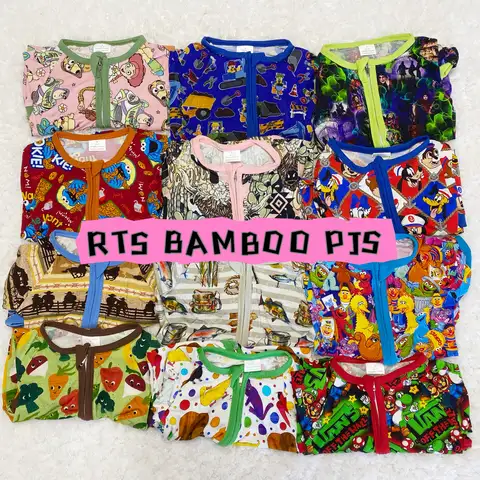
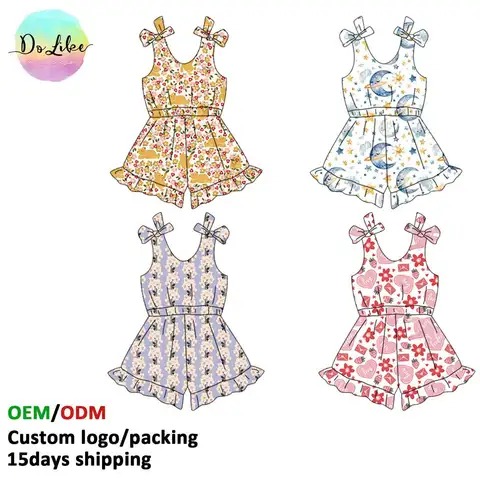
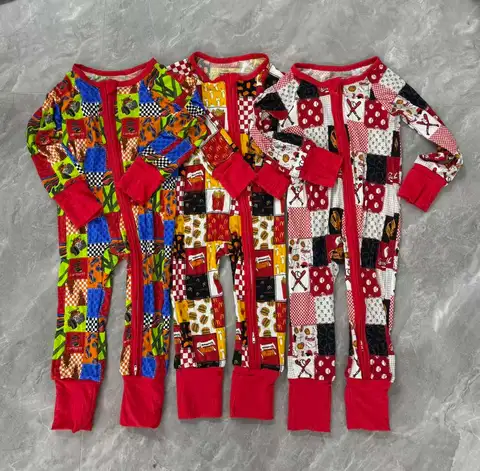
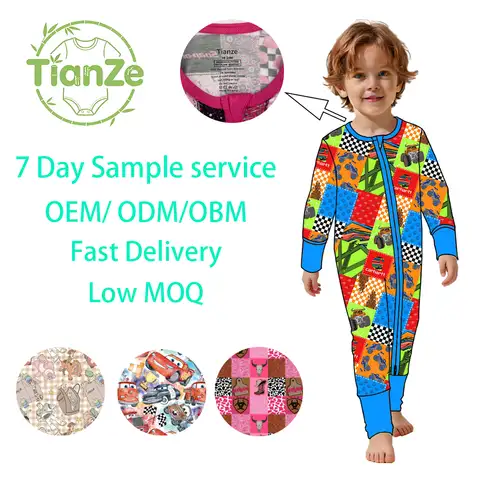
Tailormade Baby Girl Clothes Bulk Odm Factory
Understanding CPC/CPSIA Requirements: A Guide for B2B Bulk Buyers in Baby Girl Clothes
Buying baby girl clothes in bulk presents a unique set of challenges and opportunities for businesses. One of the most critical aspects of entering this market is compliance with the Consumer Product Safety Improvement Act (CPSIA) and ensuring that all products have a Children's Product Certificate (CPC). This article will delve into these legal requirements and the importance of thorough quality control (QC) audits.

CPSIA: The Foundation of Child Safety in Apparel
The Consumer Product Safety Improvement Act (CPSIA) is a vital piece of legislation aimed at ensuring the safety of products intended for children under the age of 12. For businesses dealing in baby girl clothes, understanding CPSIA compliance is non-negotiable. This law mandates several guidelines and standards that manufacturers and importers must follow.
The primary requirement is lead content restriction. Under the CPSIA, any children's apparel, including baby girl clothes, must not exceed a lead content of 100 parts per million (ppm) in any accessible part. Additionally, specific labeling requirements must be fulfilled to provide clear information about product safety, sourcing, and intended age group. Ignoring these regulations can lead to significant legal repercussions, including penalties and recalls, which can severely damage a company’s reputation and financial health.
The Role of the Children's Product Certificate (CPC)
To comply with CPSIA, products must be accompanied by a Children's Product Certificate (CPC). A CPC is crucial for demonstrating that a product meets all the necessary safety regulations. This certificate should include detailed information such as product description, manufacturer, and the applicable safety standards. Importers and manufacturers need to ensure this certificate is readily available and continuously updated.
The process of obtaining a CPC involves rigorous testing, often conducted by a CPSC-accepted laboratory. These tests certify that the product meets the prescribed safety standards, including flammability, chemical composition, and quality of materials. Maintaining up-to-date documentation is not just a legal requirement but also a testament to a company's commitment to quality and safety.
Implementing Comprehensive QC Audits
Once CPSIA compliance is ensured and CPCs are obtained, the next critical step for businesses bulk buying in the domain of baby girl clothes is implementing Quality Control (QC) audits. QC audits help maintain product quality, ensuring compliance isn't compromised across mass shipments. They typically encompass several stages, including pre-production checks, during production inspections, and final random inspections before shipping.
Pre-production checks verify the materials and components used in manufacturing. They ensure that everything aligns with the predetermined standards and specifications. During production inspections monitor the manufacturing process, addressing any compliance or quality issues as they arise. Finally, post-production random inspections provide added assurance that all garments meet the required safety and quality standards before they reach the market.
The Importance of Ongoing Compliance and Auditing
Maintaining ongoing compliance with CPC/CPSIA standards requires diligent effort and a proactive approach. Continual monitoring and updating of safety standards are essential as regulations and market expectations evolve. Regular re-evaluation of QC processes, alongside staff training and utilization of advanced testing tools, bolster a company’s compliance strategy.
, fostering robust communication with suppliers is crucial. Clear and open dialogue helps ensure all parties remain informed of any changes in compliance requirements, reducing the risk of oversight. Leveraging technology, such as compliance software systems, can streamline documentation and audit trails, enhancing traceability and accountability throughout the supply chain.
Building a Reputation for Safety and Quality
For B2B buyers and sellers in the baby girl clothes sector, adhering to CPC/CPSIA requirements and implementing rigorous QC audits is not just about avoiding fines or legal troubles. It’s about building a brand known for safety and quality. Businesses that consistently demonstrate their commitment to high safety standards establish trust with their partners and consumers.
| Fabric Type | Pima Cotton |
| Compliance | GOTS Organic |
| Customization | ODM |
| Lead Time | 40 Days |
Promoting the use of eco-friendly, hypoallergenic, and durable materials further enhances brand reputation. In an increasingly competitive market, these factors can become significant differentiators, attracting environmentally and safety-conscious clients and end consumers.
The process of purchasing baby girl clothes in bulk is an intricate balance of compliance, quality assurance, and strategic foresight. By understanding and adhering to CPSIA requirements and ensuring comprehensive QC audits, B2B bulk buyers can navigate this market with confidence. As businesses align with these practices, they not only safeguard themselves from legal implications but also elevate their market standing, ultimately fostering long-term success and trust in the world of children's apparel.