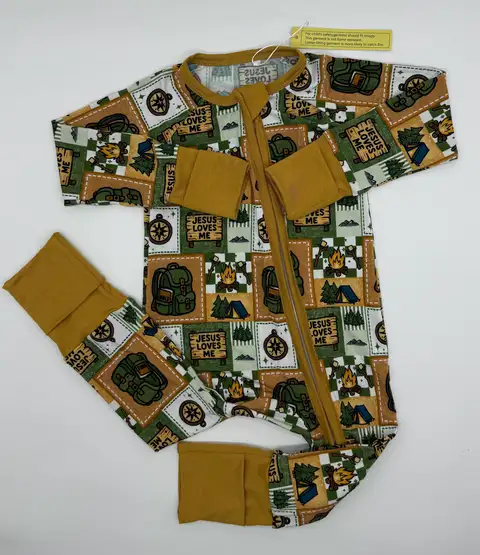
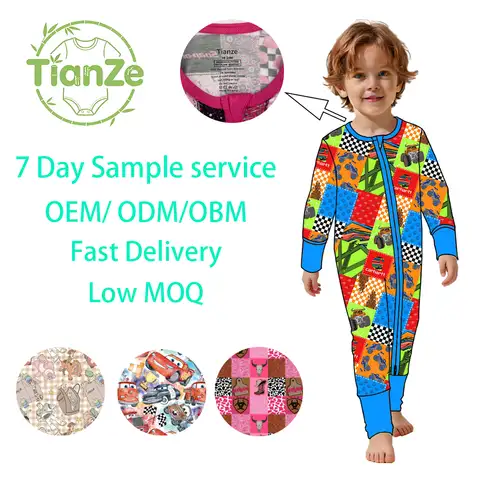
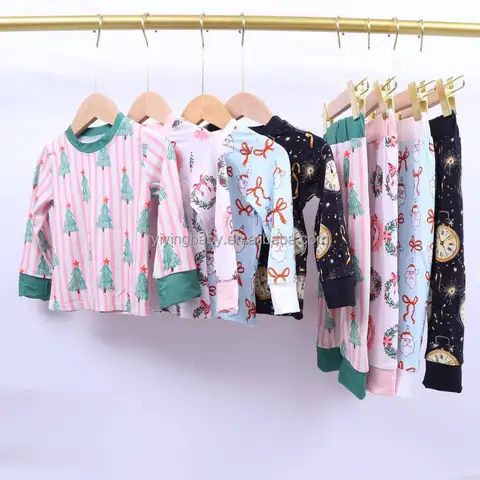
Tailormade Baby Clothes Wholesale Cpc Certified Exporter
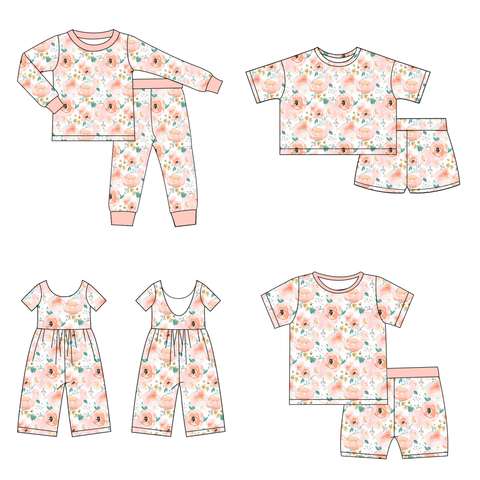
The Critical Aspects of Baby Clothes Wholesale: Navigating CPC/CPSIA Requirements and QC Audits
In the wholesale baby clothes industry, ensuring compliance with legal standards while maintaining high-quality control is not just a recommendation—it is a necessity. This article delves into the complexities of Consumer Product Safety Commission (CPSC) and Consumer Product Safety Improvement Act (CPSIA) requirements, along with strategies for effective quality control audits in the wholesale market.
Understanding CPC/CPSIA Requirements
The regulatory landscape for baby clothes is stringent for a good reason: it’s essential to ensure the utmost safety and quality for infants. The Consumer Product Safety Commission mandates that all children’s products, including baby clothing, comply with the standards set forth by the Consumer Product Safety Improvement Act.
- CPC Certification: A Children’s Product Certificate (CPC) must accompany all baby clothes to attest compliance with all applicable children's product safety rules.
- Lead Content and Flammability: Baby clothes must be tested for lead content, which should not exceed 100 ppm. They also need to meet flammability standards to prevent fire hazards.
- Tracking Labels: CPSIA mandates that baby clothes must have tracking labels that provide certain information, including the manufacturer’s details and batch number, to track the product in case of a recall.
The Role of Third-Party Testing
Third-party testing is a cornerstone of compliance under CPC/CPSIA requirements. The use of CPSC-accepted laboratories ensures that baby clothes undergo rigorous testing protocols, confirming they meet safety standards.
- Testing for Small Parts: Particular attention is paid to small parts in children’s clothing, especially in segments like buttons or decorative elements, to reduce choking hazards.
- Phthalates and Chemical Testing: Textiles used in baby clothing must be free from harmful chemical substances like phthalates, which necessitates comprehensive chemical testing.
Implementing Robust Quality Control Audits
While compliance is the first step, maintaining consistent quality across all batches of baby clothes is crucial for sustaining market reputation and ensuring customer satisfaction. Quality control (QC) audits play a significant role here.
| Fabric Type | Pima Cotton |
| Compliance | OEKO-TEX 100 |
| Customization | OEM |
| Lead Time | 23 Days |
- Setting Standards and Expectations: Establish clear quality benchmarks based on industry standards and customer expectations to guide the audit process.
- Regular Audit Schedules: Maintain a regular schedule for audits, including random audits, to ensure ongoing compliance and quality.
- Data and Documentation: Comprehensive documentation during audits ensures a traceable and transparent process, aiding in continuous improvement efforts.
Strategies for Effective Supplier Management
Collaboration with suppliers is integral for compliance and quality. Building robust supplier relationships facilitates compliance and quality assurance from the ground up.
- Supplier Certification: Work with suppliers who have a track record of compliance with CPC/CPSIA standards to ensure the quality of materials used in production.
- Training and Support: Provide regular training and updates to suppliers on CPSC guidelines and quality expectations to keep them informed of any changes.
- Performance Metrics: Evaluate suppliers based on performance metrics that align with compliance and quality goals to assess and improve their reliability.
Staying Ahead in the Regulatory Environment
The regulatory environment is continually evolving. Staying informed of updates to standards and expectations is crucial for maintaining compliance and competitive advantage.
- Regulatory Monitoring: Implement systems for ongoing monitoring of regulatory changes and updates in CPSC/CPSIA standards.
- Industry Associations: Engage with industry bodies and associations that offer resources, training, and updates on regulatory changes.
- Proactive Adjustments: Be proactive in adjusting business strategies and operations to meet new standards promptly to avoid disruption.
Wholesale baby clothing businesses operate in a complex landscape requiring careful attention to legal requirements and quality assurance. By understanding the intricacies of CPC/CPSIA mandates and implementing robust QC audits and supplier management strategies, businesses can not only ensure compliance but also enhance their market reputation and customer trust.