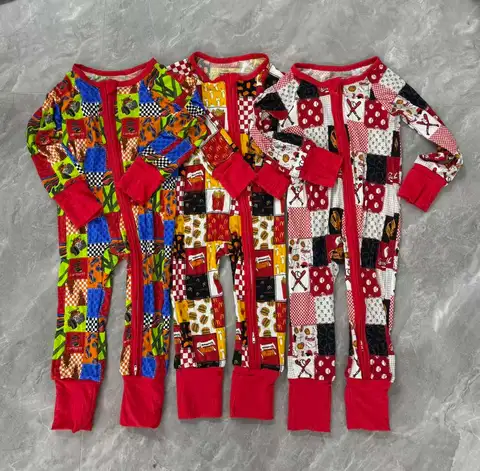
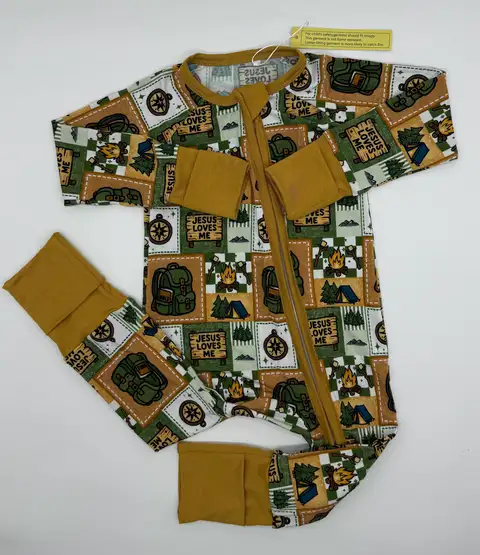
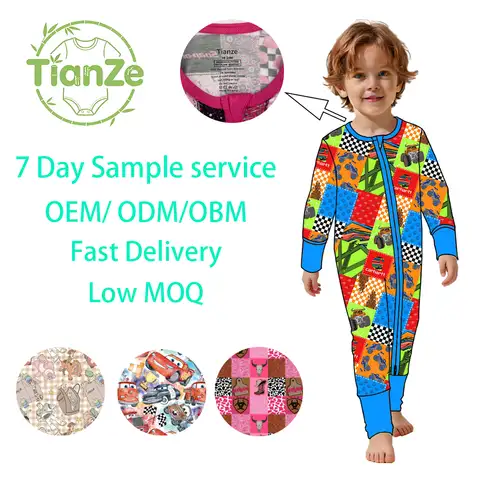
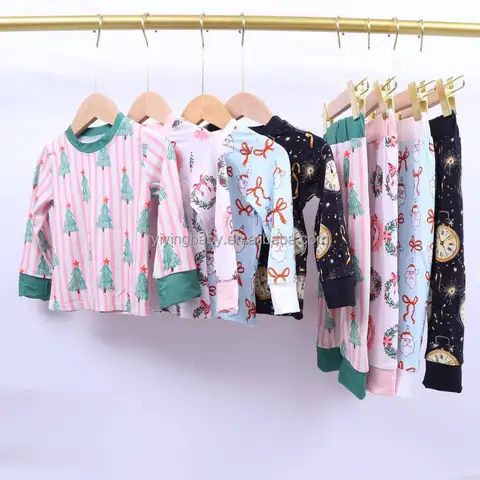
Private Label Wholesale Kids Clothing Suppliers Cpsia Compliant Exporter
Understanding Compliance and Quality Control for Wholesale Kids Clothing Suppliers
In the competitive domain of children's apparel, wholesale suppliers play a crucial role in ensuring that products not only meet the aesthetic and functional needs but also adhere to rigorous compliance and quality control standards. This article delves into the legal requirements mandated by CPC/CPSIA and the significance of quality control audits in maintaining a sustainable business model in the wholesale kids' clothing industry.
The Role of CPC and CPSIA
The Consumer Products Safety Improvement Act (CPSIA) is a pivotal regulation for children's products in the United States. It establishes safety standards essential for protecting children from hazardous products. The compliance with CPSIA is crucial for wholesale kids clothing suppliers to ensure that all products meet safety standards that safeguard young wearers.
The Children's Product Certificate (CPC) is another critical component of compliance. It certifies that children's products meet all applicable safety standards. It is imperative for suppliers to issue a CPC for each product, which involves rigorous testing at a CPSC-accepted laboratory. Understanding the intricacies of CPC/CPSIA ensures that suppliers mitigate risks while fulfilling legal obligations.
Key Requirements of CPSIA for Kids Clothing
The CPSIA requirements are multifaceted and cover various safety attributes. Suppliers must ensure products are free from hazardous substances, such as lead and phthalates, to reduce health risks. The law also mandates the implementation of tracking labels on products and packaging, which aids in traceability and enhances consumer confidence.
, flammability standards set forth by CPSIA require that children's sleepwear is designed to minimize fire risks. Suppliers must stay abreast of these regulations and integrate them into their supply chain processes diligently. Failure to comply can result in severe penalties, recalls, and damage to brand reputation.
Importance of Quality Control Audits
Quality control audits are integral to maintaining the integrity and safety of kids' clothing. They provide a systematic examination of the production process, ensuring that every item produced complies with established standards. These audits scrutinize every stage of production, from material sourcing to final packaging, to uphold quality and compliance.
Conducting regular audits enables suppliers to identify non-conformities and implement corrective actions promptly. This continuous improvement cycle ensures products are consistently safe and meet customer expectations. For wholesale suppliers, establishing a robust quality control system can differentiate them in a crowded market and foster trust with retailers.
Strategic Approaches to Enhance Compliance and QC
Suppliers in the kids clothing sector can adopt several strategic approaches to reinforce compliance and quality control. Investing in comprehensive training programs for employees ensures a clear understanding of current laws and standards. Additionally, collaborating with third-party testing and certification agencies can provide an unbiased evaluation of product safety and compliance.
Technology also plays a pivotal role. Implementing advanced tracking and management systems can streamline production processes, enhance traceability, and ensure compliance documentation is maintained accurately. Engaging with digital platforms helps monitor regulations in real-time, allowing suppliers to adapt promptly to any legal updates.
Building a Sustainable Business Model
A sustainable business model in the wholesale kids' clothing industry is grounded in ethical practices and compliance with regulations. Suppliers must prioritize designing eco-friendly production processes and sourcing sustainable materials without compromising quality. By doing so, they not only cater to an increasingly eco-conscious consumer base but also align with global trends emphasizing sustainability.
Suppliers should also foster strong relationships with retailers, sharing compliance insights and quality assurance practices that can enhance the retail experience. Transparent communication and shared standards are vital in building long-standing partnerships and driving mutual success.
Wholesale suppliers of kids clothing have a significant responsibility to ensure that all products meet rigorous compliance and quality standards. Understanding and adhering to the requirements of CPC/CPSIA is essential not just for legal conformity but for protecting children's well-being. Coupled with regular quality control audits, suppliers can establish a robust production framework that ensures safety, quality, and customer satisfaction.
By adopting strategic approaches that leverage technology and sustainable practices, suppliers can build a resilient business model. Fostering transparent relationships with retailers reinforces trust and elevates brand reputation, paving the way for success in the highly competitive kids' clothing market.
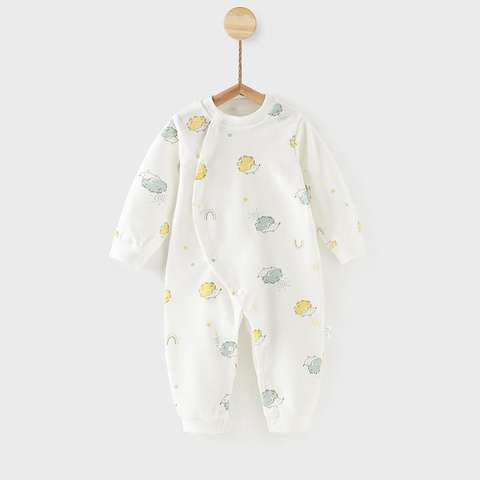
| Fabric Type | Organic Bamboo |
| Compliance | GOTS Organic |
| Customization | Private Label |
| Lead Time | 24 Days |