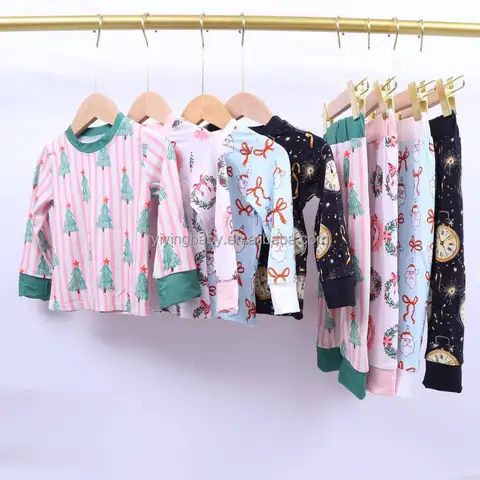
Private Label Wholesale Childrens Clothing Vendors Custom Manufacturer
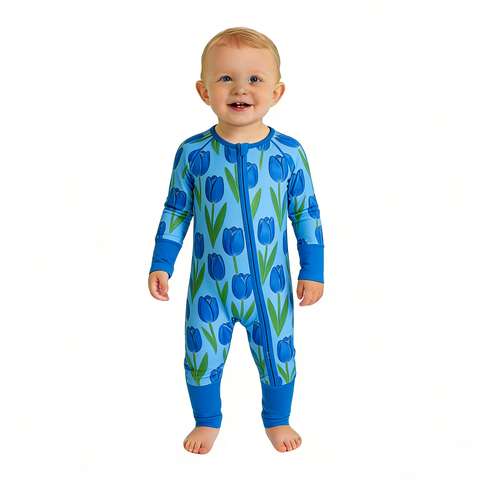
Understanding CPC/CPSIA Legal Requirements for Wholesale Children's Clothing Vendors
In an increasingly regulated industry, wholesale children's clothing vendors must navigate the complex landscape of compliance with the Consumer Product Safety Improvement Act (CPSIA) and the Consumer Product Safety Commission (CPC) guidelines. Understanding and adhering to these legal requirements is essential to ensure product safety and maintain market trust. This article provides a technical yet engaging insight into the requirements and quality control audits necessary for wholesale children's clothing vendors.
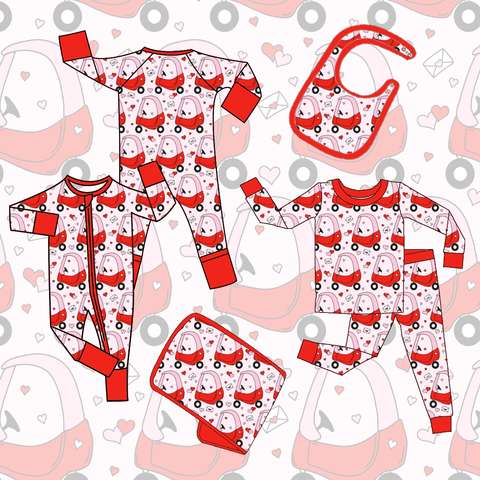
Key Regulations under CPSIA and CPC
The CPSIA, enacted in 2008, is a pivotal framework aimed at enhancing the safety of children's products in the United States. Wholesale vendors must understand its implications, particularly with regard to children's clothing. Key aspects include:
- Lead Content Limits: CPSIA mandates stringent limits on lead content for children's products, emphasizing the need for periodic testing to ensure compliance.
- Phthalates Restrictions: Phthalates, commonly found in plastics, are restricted in products for children. Vendors must ensure these compounds do not exceed specified limits.
- Tracking Labels: Every item must bear a tracking label, facilitating easy identification and compliance verification by consumers and regulators.
Compliance with CPC guidelines typically involves adherence to standards that safeguard consumer well-being, reflected in rigorous testing and certification processes.
Quality Control Audits: A Critical Component
Quality control (QC) audits are essential for maintaining product integrity and adherence to legal requirements. Effective QC audits encompass:
- Material Testing: Comprehensive testing of fabric and materials used in children's clothing to ensure safety and durability.
- Production Process Inspection: Regular inspections of the production line to verify compliance with established manufacturing procedures.
- Final Product Evaluation: Evaluating finished products to ensure they meet all safety standards before distribution.
Conducting routine audits ensures that any deviations from compliance are identified and corrected promptly, thereby minimizing risk to consumers and the business itself.
Implementing Effective Compliance Strategies
Compliance with CPSIA and CPC regulations demands a proactive approach from wholesale vendors. Consider the following strategies:
Education and Training: Ensuring that staff are well-versed in legal requirements is vital. Regular training sessions can aid in maintaining up-to-date knowledge and skills.
Documentation and Record-Keeping: Comprehensive documentation of compliance processes, testing results, and audits is crucial for both internal tracking and external verification. Proper record-keeping not only aids in compliance but also prepares vendors for potential inspections.
Third-party Testing: Engaging third-party laboratories for product testing can offer unbiased assessments, enhancing trust and credibility in the market. These labs can verify compliance with safety standards independently, providing an extra layer of assurance to vendors and consumers alike.
| Fabric Type | Pima Cotton |
| Compliance | OEKO-TEX 100 |
| Customization | ODM |
| Lead Time | 34 Days |
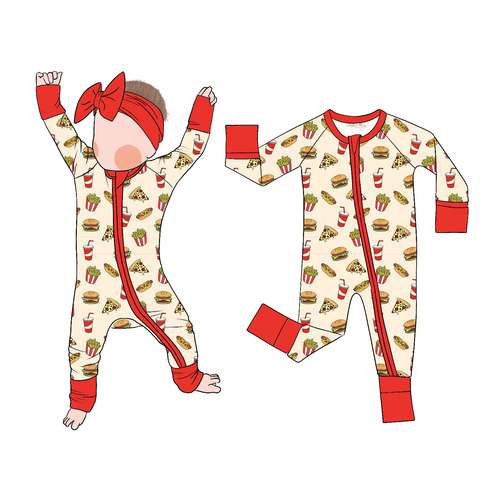
Implementing these strategies cultivates a culture of compliance that ultimately supports sustainable business practices and customer satisfaction.
The Impact of Compliance on Business Success
The wholesale children's clothing market is highly competitive, with compliance standing as a vital differentiator of successful vendors. Adhering to CPC/CPSIA requirements not only ensures safety but also positively influences business reputation, fostering trust among partners and consumers.
Vendors who prioritize compliance and quality control witness benefits such as:
- Enhanced Brand Trust: Customers trust vendors who consistently offer safe, compliant products, leading to increased loyalty and repeat business.
- Minimized Legal Risks: Proactive compliance mitigates the risk of recalls, lawsuits, and penalties, safeguarding the vendor’s financial and reputational standing.
- Market Expansion Opportunities: Demonstrating adherence to rigorous standards can open doors to new markets and partnerships, expanding business reach.
Ultimately, compliance with CPC/CPSIA regulations stands as a cornerstone of not only legal adherence but also of commercial viability and growth in the industry.
Wholesale children's clothing vendors face a multifaceted challenge in navigating CPC/CPSIA legal requirements and conducting effective QC audits. Mastery of these elements is integral to product safety, brand integrity, and business success. Through strategic implementation of compliance measures, vendors can secure their standing in a competitive market, fostering trust and satisfying consumer demand for safe, reliable children's clothing.