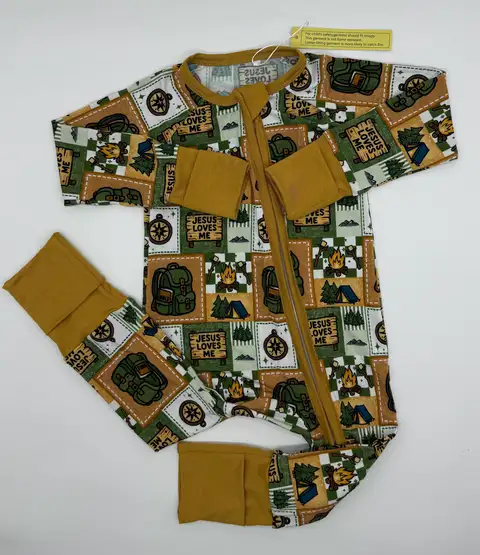
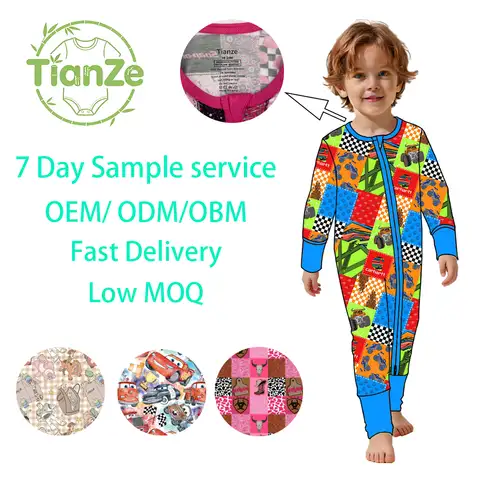
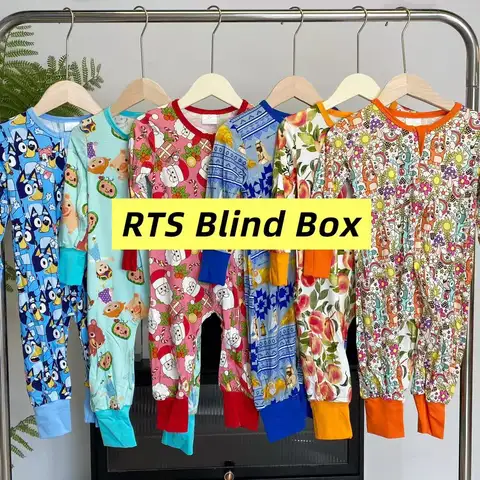
Private Label Bamboo Pajama Supplier Cpsia Compliant Supplier
Ensuring Compliance and Quality: Choosing a Bamboo Pajama Supplier
Bamboo pajamas have gained popularity due to their sustainability and comfort. As retailers and distributors look to incorporate these eco-friendly products into their offerings, understanding the legal and quality compliance aspects becomes crucial. This article delves into the requirements governed by the Consumer Product Safety Commission (CPSC) under the Consumer Product Safety Improvement Act (CPSIA), while also highlighting the importance of quality control audits for bamboo pajama suppliers.
Understanding CPC/CPSIA Compliance for Pajamas
The CPSIA governs safety regulations for consumer products, with a particular focus on children's clothing, including pajamas. Compliance with the CPSIA involves several key components:
- Flammability Standards: Pajamas must meet stringent flammability standards to ensure safety during use. Bamboo, while naturally resistant to flames, must still be rigorously tested to adhere to these standards.
- Lead Content Limits: The CPSIA imposes limits on lead content in children's products. Bamboo pajamas must be free from hazardous lead levels, necessitating thorough testing of dyes and accessories used.
- Phthalate Restrictions: Regulations also limit the presence of phthalates, which are often found in plastics and other chemicals used in garment decorations.
- Tracking Labels: Suppliers must implement tracking labels on their pajamas to ensure traceability and maintain accountability in case of a recall or issue.
- Certifications and Testing: Each product batch should undergo third-party testing, providing verification that the pajamas comply with safety standards.
Quality Control Audits for Bamboo Pajama Suppliers
Beyond legal compliance, ensuring high-quality standards is necessary for maintaining consumer trust and satisfaction. Quality control (QC) audits play an essential role in assessing the reliability of bamboo pajama suppliers.
- Factory Inspections: Conducting factory audits helps ensure that the supplier's production practices align with environmental and ethical standards. Inspectors should assess the cleanliness, worker conditions, and management systems in place.
- Material Testing: Bamboo fiber should be meticulously tested for softness, durability, and hypoallergenic properties. Ensuring consistency in these characteristics maintains product integrity.
- Production Process Audits: Regular audits of the supplier's production processes ensure adherence to best practices, minimizing defects and enhancing product quality.
- Supply Chain Verification: Inspectors should verify the entire supply chain, ensuring that bamboo sources are sustainable and responsibly harvested.
- Random Sampling and Testing: Implementing random sampling keeps suppliers accountable and proactive in maintaining quality standards.
Navigating Supplier Relationships and Contracts
Building a successful and compliant relationship with a bamboo pajama supplier involves carefully structured contracts and ongoing communication:
- Contractual Terms: Clearly outline compliance requirements, specifying consequences for non-compliance. Include terms related to audits and certification in agreements.
- Effective Communication: Maintain open channels of communication to address compliance issues promptly. Regular updates and transparency regarding raw material sourcing and product specifications are crucial.
- Performance Monitoring: Establish key performance indicators to evaluate the supplier's adherence to compliance and quality standards.
- Collaboration on Innovation: Work collaboratively to innovate sustainable practices, leveraging the supplier's expertise in bamboo textiles.
Technological Tools in Ensuring Compliance and Quality
The integration of technological solutions can enhance compliance and quality control measures for bamboo pajama suppliers:
- Regulatory Software: Utilize software that keeps track of evolving CPSIA standards, ensuring supplier compliance through automated updates and alerts.
- Blockchain for Traceability: Implementing blockchain systems can enhance transparency, tracing the origin and journey of bamboo fibers from harvest to finished pajamas.
- Quality Management Systems (QMS): Leverage QMS software to streamline QC audits, standardize processes, and store compliance records.
- Virtual Inspections: Employ virtual inspection tools to supplement on-site audits, offering a detailed view of production lines and practices.
: Selecting the Right Bamboo Pajama Supplier
Choosing a bamboo pajama supplier necessitates a thorough understanding of CPSIA compliance and QC audit requirements. Retailers and distributors must prioritize suppliers that demonstrate commitment to legal standards and quality assurance. By conducting rigorous audits, navigating supplier contracts diligently, and integrating technological tools, businesses can ensure their bamboo pajamas are safe, sustainable, and of the highest quality. This ultimately enhances customer satisfaction and aligns with the growing demand for eco-friendly textiles.
Adopting these measures not only safeguards businesses against compliance-related risks but also strengthens supplier partnerships, fostering innovation within the eco-friendly garment industry. As the bamboo textile market expands, proactive engagement in compliance and quality control will remain a cornerstone in distinguishing reputable suppliers.
| Fabric Type | Organic Bamboo |
| Compliance | CPC Certified |
| Customization | Tailor-made |
| Lead Time | 20 Days |