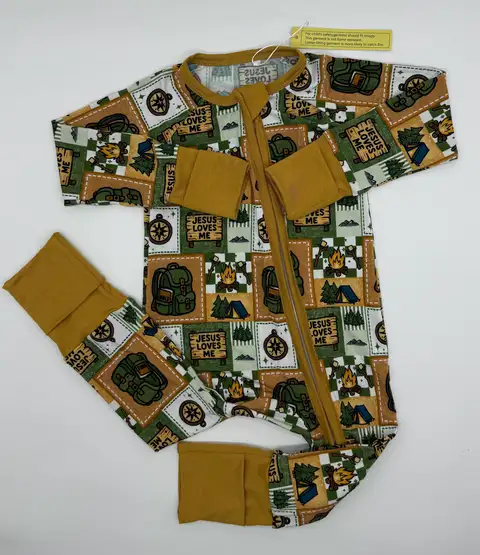
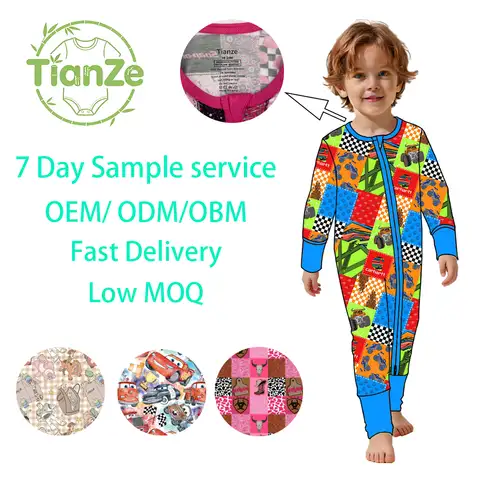
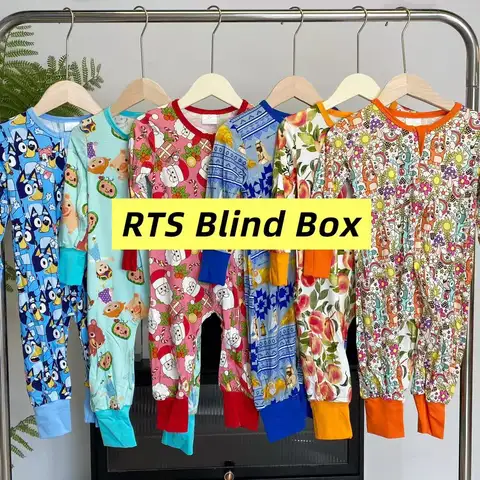
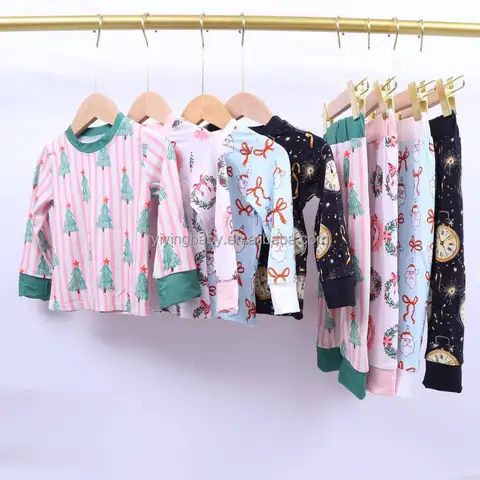
Private Label Bamboo Baby Clothes Wholesale Cpc Certified Exporter
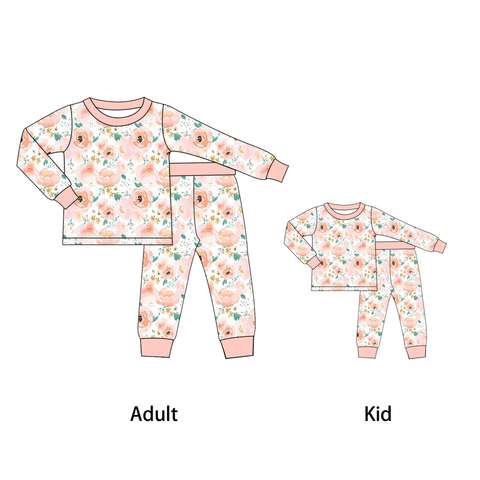
The Rise of Bamboo Baby Clothes in Wholesale Markets
In recent years, the wholesale market for baby clothes has seen a significant shift towards sustainable and eco-friendly materials. Among these, bamboo fabric has emerged as a popular choice for its soft texture, hypoallergenic properties, and environmental benefits. As businesses look to incorporate bamboo baby clothes into their offerings, understanding the legal and quality compliance requirements is essential to ensure consumer safety and product integrity.
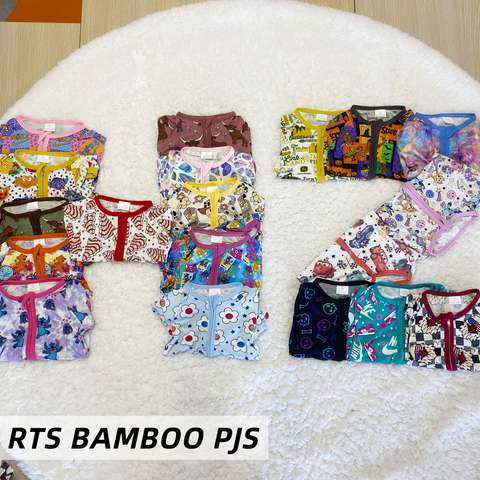
Understanding CPC/CPSIA Compliance
When venturing into the wholesale distribution of bamboo baby clothes, it is crucial to comply with the Consumer Product Safety Commission (CPSC) guidelines and the Consumer Product Safety Improvement Act (CPSIA). These regulations are designed to ensure product safety, especially for children who are particularly vulnerable to potentially hazardous materials and design flaws.
The CPSIA mandates rigorous testing and certification requirements for children's products, including baby clothes. This means that prior to introducing bamboo baby clothing into the market, wholesalers must ensure that each item meets safety standards regarding chemical and mechanical hazards.
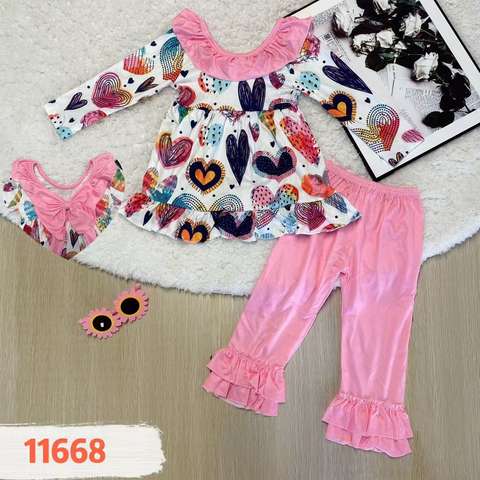
Testing for Lead and Phthalates
One of the primary areas of concern addressed by the CPSIA is the presence of harmful chemicals such as lead and phthalates. Bamboo fabric, while largely organic and environmentally friendly, sometimes involves chemical processing that could introduce these toxic substances.
Wholesale distributors are responsible for conducting third-party testing on bamboo baby clothes to verify that they do not contain lead above 100 parts per million (ppm) or any phthalates beyond the permissible limits. Consistent monitoring ensures that the products are safe for infants, preserving the trust of retailers and consumers alike.
Labeling and Tracking Requirements
In addition to chemical safety, the CPSIA requires clear labeling to help consumers easily identify safe products. Bamboo baby clothes must include tracking labels that provide comprehensive information about the manufacturing date, location, and batch number. This labeling aids suppliers and consumers in tracing products in the event of a recall.
, these labels should also specify care instructions appropriate for bamboo fabrics. Given bamboo's delicate nature, proper maintenance tips can prolong product life and enhance customer satisfaction.
Quality Control Audits: Ensuring Compliance and Excellence
Quality control (QC) audits are integral to the wholesale distribution of bamboo baby clothes. These audits not only ensure compliance with CPC/CPSIA standards but also verify the quality of the products distributed.
Factory Inspections and Raw Material Assessments
Auditors conduct thorough factory inspections to ensure that production facilities adhere to safety standards. This includes assessing the working conditions, machinery, and processes used to produce bamboo fabric. By evaluating raw materials, suppliers can guarantee that only high-grade bamboo fibers are used, minimizing risks associated with impurities or inferior processing techniques.
Additionally, QC audits focus on verifying the ethical standards of production, ensuring that bamboo baby clothes are manufactured under environmentally friendly and socially responsible conditions.
Physical and Mechanical Testing
Besides chemical testing, physical and mechanical testing is conducted to ensure the durability and safety of bamboo baby clothes. These tests examine seam strength, fabric breathability, and elasticity, which are crucial for maintaining the quality and safety of children's apparel.
Compliance with these tests ensures that bamboo baby clothes will withstand regular wear, washing, and dynamic movements of active infants, meeting standards that keep both parents and retailers satisfied.
| Fabric Type | Organic Bamboo |
| Compliance | ASTM F963 |
| Customization | OEM |
| Lead Time | 39 Days |
Certification and Documentation
Upon successfully completing QC audits, obtaining appropriate certifications is essential. Certifications not only demonstrate compliance with safety standards but also signify quality assurance to retailers and consumers. Documentation related to these audits should be meticulously maintained, providing traceability and accountability throughout the supply chain.
By consistently updating and preserving audit records, wholesalers can swiftly address any compliance issues or consumer inquiries, fostering a transparent and reliable business operation.
The Market Potential for Bamboo Baby Clothes
With parents increasingly prioritizing sustainability and safety in their purchasing decisions, the demand for bamboo baby clothes continues to rise. Wholesalers have a unique opportunity to capture this market by supplying high-quality, compliant products.
Investing in rigorous compliance testing and QC audits not only fulfills legal requirements but also enhances the appeal and credibility of bamboo baby clothes. This dedication to quality and safety will ultimately facilitate successful partnerships with retailers and contribute to long-term business growth.
, while entering the bamboo baby clothes wholesale market presents challenges due to stringent safety standards, these hurdles can be effectively managed with diligent adherence to CPC/CPSIA regulations and comprehensive quality control audits. By fostering a commitment to compliance and excellence, wholesalers can confidently navigate this vibrant and promising market.