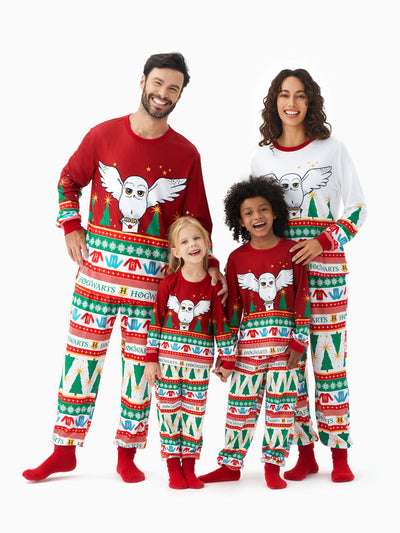
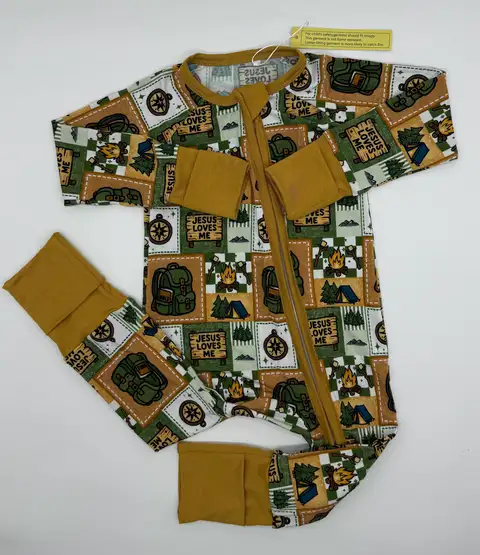
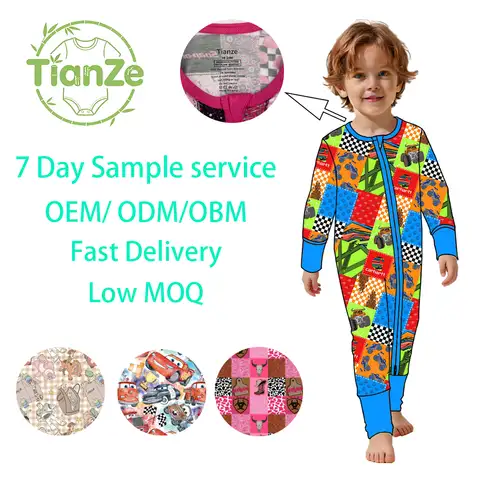
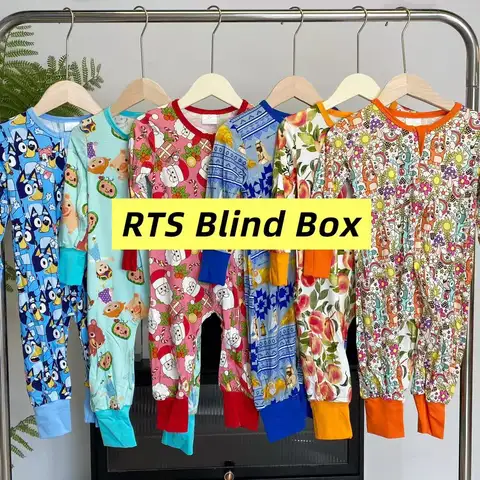
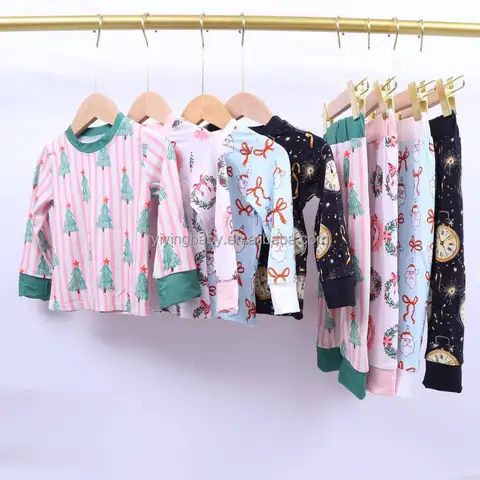
Private Label Baby Clothes Bulk Wholesale Odm Factory

Understanding the Landscape of Baby Clothes Bulk Wholesale: Legal and Quality Considerations
Purchasing baby clothes in bulk can be a fruitful venture for retailers, but it comes with a set of responsibilities that ensure the safety and satisfaction of the end consumers. This article delves into the legal requirements under the Consumer Product Safety Improvement Act (CPSIA) and the Consumer Product Certification (CPC) as well as the importance of quality control (QC) audits in the baby clothes wholesale industry.
Compliance with CPSIA in Baby Clothing Wholesale
The Consumer Product Safety Improvement Act (CPSIA) is a critical regulatory framework that businesses must navigate when dealing with children's products, including baby clothes. CPSIA mandates rigorous safety standards to prevent exposure to harmful substances and ensure product safety.
- Lead Content Limits: CPSIA enforces strict limits on lead content in children's products. Baby clothes should not contain more than 100 parts per million (ppm) of total lead content.
- Phthalate Restrictions: Phthalates, which are often used to soften plastics, are restricted under CPSIA. Baby clothes with components that could expose children to phthalates must comply with regulation limits.
- Flammability Standards: Clothing textiles should meet flammability standards. Most children's sleepwear must be flame-resistant or fit snugly to reduce risk.
The Role of Consumer Product Certification (CPC)
The Consumer Product Certification (CPC) is an essential document that verifies compliance with the relevant CPSIA standards. It is crucial for wholesalers dealing in baby clothes to maintain a valid CPC for each product line, which outlines how the product meets specific safety regulations.

- Lab Testing: The CPC should be based on test reports from a CPSC-accepted third-party laboratory. This assures buyers of the safety of the products.
- Detailed Product Information: The CPC must include specific details about the product, including the manufacturer's details, contact information, and the date and place of manufacture.
- Legal Accountability: Wholesalers are legally accountable for ensuring each product has an accompanying CPC, highlighting the importance of reliable documentation processes.
Importance of Quality Control Audits in Baby Clothes Bulk Purchases
Quality control (QC) audits are indispensable for maintaining the integrity and reliability of baby clothes. These audits focus on several crucial aspects:
- Textile Quality: Inspectors verify the texture, strength, and quality of fabrics to ensure they are free from defects and suitable for infants' sensitive skin.
- Sewing and Construction: QC audits involve checks on stitching quality, ensuring seams are secure, and finishes meet high standards to prevent potential hazards like choking.
- Size and Fit Consistency: Ensuring consistency in size and fit across batches is also a priority, to avoid returns and customer dissatisfaction.
The results of QC audits should inform the acceptance or rejection of shipments and help in negotiations with suppliers regarding product quality.
Strategies for Successful Baby Clothes Wholesale Operations
For businesses involved in the wholesale of baby clothes, integrating compliance, certification, and quality control into their operations is non-negotiable. Here are some strategies to enhance operational success:
- Partnering with Reputable Manufacturers: Work with suppliers who have a proven track record in compliance and quality standards to minimize risks.
- Routine Compliance Checks: Establish routine inspections and compliance checks to ensure ongoing adherence to CPSIA regulations.
- Continuous Improvement Programs: Invest in continuous improvement programs that focus on enhancing product quality and reducing defects over time.
By focusing on these strategic priorities, businesses can strengthen their position in the competitive baby clothes wholesale market.
Leveraging Technology in Compliance and Quality Audits
Technology plays an increasingly pivotal role in ensuring CPSIA compliance and conducting QC audits. Platforms that streamline documentation processes facilitate easy access to CPSIA requirements and enable efficient management of CPC documentation, reducing the burden on wholesale businesses.
- Automated Compliance Software: Utilizing software solutions can simplify tracking compliance across multiple product lines, ensuring all documentation is current and accessible.
- Data Analytics for Quality Control: By leveraging data analytics, businesses can identify patterns in product defects, streamline audits, and enhance decision-making processes.
- Blockchain for Traceability: Blockchain technology offers transparency and traceability in supply chains, providing an immutable record of product compliance and quality history.
Integrating these technologies supports operational efficiency and upholds the high safety and quality standards required in the baby clothes wholesale sector.
, navigating the wholesale market for baby clothes requires a diligent approach to legal compliance, thorough quality control, and strategic partnerships. By focusing on CPSIA regulations, maintaining rigorous CPC documentation, and conducting detailed QC audits, businesses can ensure their products meet the highest safety standards. Leveraging modern technology further enhances these efforts, providing a robust framework to compete effectively in this essential market.
| Fabric Type | Organic Bamboo |
| Compliance | CPC Certified |
| Customization | ODM |
| Lead Time | 27 Days |