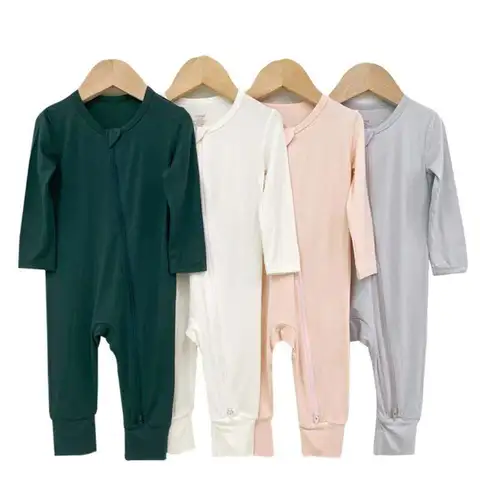
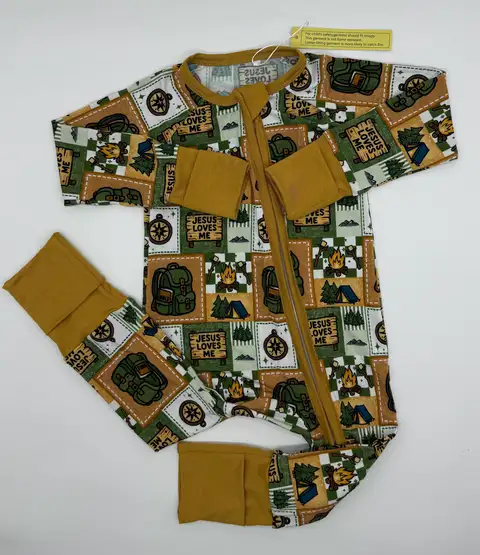
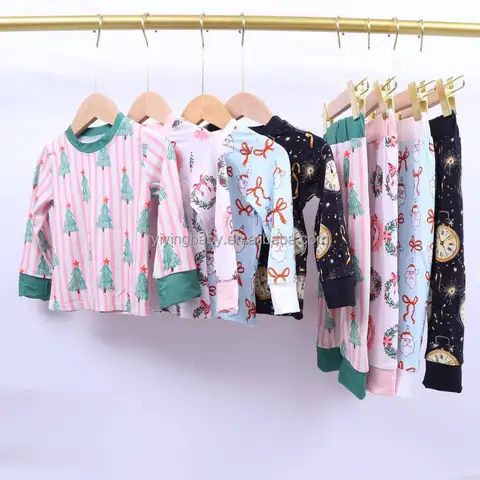
Private Label Baby Boutique Clothes Wholesale Oem Wholesale
Understanding Baby Boutique Clothes Wholesale Industry
The baby boutique clothes wholesale industry is a dynamic and competitive field that requires retailers and manufacturers to adhere to stringent regulatory standards. As an industry player, understanding the intricacies of the Consumer Product Safety Commission (CPSC) and the Consumer Product Safety Improvement Act (CPSIA) is critical. Compliance ensures that baby clothes not only meet safety standards but also appeal to the discerning tastes of modern parents. This article delves into the regulatory environment and quality control (QC) audits essential for success in this industry.
Regulatory Compliance: CPC and CPSIA
Compliance with the CPSC and CPSIA is non-negotiable in the baby boutique clothes wholesale business. These regulations are designed to ensure that children's apparel is safe and free from harmful substances. The CPSC administers the CPSIA, which mandates rigorous testing and certification processes for all children's products, including baby clothes.
One of the core requirements of the CPSIA is the issuance of a Children's Product Certificate (CPC). This certificate is a declaration of the product's compliance with applicable safety rules and standards. Retailers and manufacturers must maintain accurate records of testing and compliance certifications to avoid potential fines and legal repercussions.
Key CPSIA Requirements
- Lead Content: Baby clothes must not contain more than 100 ppm (parts per million) of lead content. Testing must be conducted by a CPSC-accepted laboratory.
- Phthalates: Regulated phthalates must not exceed 0.1% concentration in any part of the children's apparel.
- Flammability Standards: All children's sleepwear must comply with flammability standards to reduce the risk of fire hazards.
- Labeling Requirements: Proper labeling is essential for traceability. Labels must include information like the manufacturer or importer’s name and location, date of production, and information that helps identify the product and its compliance status.
Quality Control Audits in the Supply Chain
Quality control audits are vital to maintaining the integrity of products in the baby boutique clothes wholesale market. QC audits help in identifying defects early, ensuring that only the highest quality products reach the end consumers. These audits typically involve a series of standardized checks and testing protocols to ensure that each product batch meets predefined quality criteria.
Components of a QC Audit
A comprehensive QC audit will typically include:
- Material Inspection: Evaluate the raw materials used for manufacturing. Check for compliance with safety standards and ensure consistency in quality.
- Process Control: Monitor the manufacturing process to identify any deviations or areas of concern that may affect product quality.
- Final Product Testing: Perform inspections on finished products, testing for durability, functionality, and safety compliance.
- Packaging and Labeling Review: Ensure that packaging is suitable for protecting the product and that labeling meets legal requirements.
Importance of Supplier Collaboration
Partnering with reliable suppliers who understand and prioritize compliance and quality is vital. Suppliers should share your commitment to safety and quality, engaging in regular training and assessments to stay up-to-date with the latest regulatory changes and best practices.
Selecting the Right Supplier
Conduct thorough due diligence when selecting suppliers. Key considerations should include:
- Reputation and Reliability: Choose suppliers with a proven track record of delivering high-quality, compliant products.
- Regulatory Expertise: Ensure suppliers have a deep understanding of CPC and CPSIA requirements and a commitment to adhering to them.
- Quality Assurance Processes: Collaborate with suppliers who have robust QA processes and are transparent about their manufacturing practices.
Future Trends and Considerations
As the baby boutique clothes wholesale industry evolves, staying abreast of emerging trends and regulatory updates is crucial. Anticipating changes in safety standards and consumer expectations can provide a competitive edge.
Innovations in Materials and Manufacturing
The rise of sustainable and eco-friendly materials is a notable trend in the industry. More consumers are seeking products made from organic and non-toxic materials, aligned with a growing global emphasis on sustainability.
Technological Advancements in Compliance Monitoring
Leverage technology for better compliance monitoring and tracking. Innovative tools and software can automate the compliance process, ensuring that your business stays ahead of regulatory changes.
Adapting to Market Demands
Understanding consumer trends and preferences allows businesses to adapt their product offerings effectively. Keeping a pulse on the market helps in aligning product development with consumer expectations, ultimately driving sales and brand loyalty.

| Fabric Type | Pima Cotton |
| Compliance | ASTM F963 |
| Customization | OEM |
| Lead Time | 32 Days |
, the baby boutique clothes wholesale industry is as much about adhering to stringent safety and quality regulations as it is about offering trendy and attractive clothing options for infants. By prioritizing regulatory compliance and rigorous quality control, businesses can effectively position themselves as leaders in safe and stylish baby apparel.