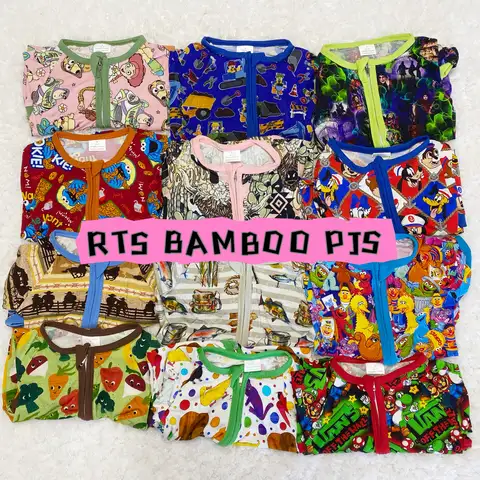
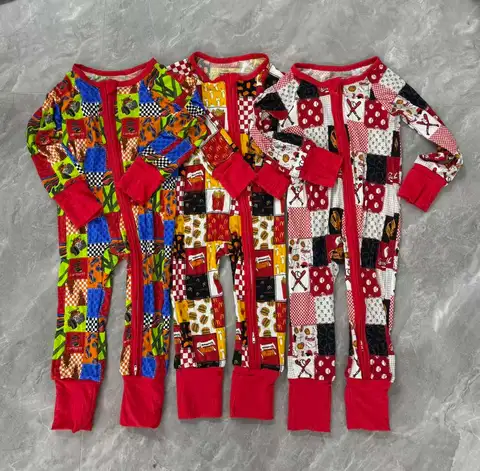
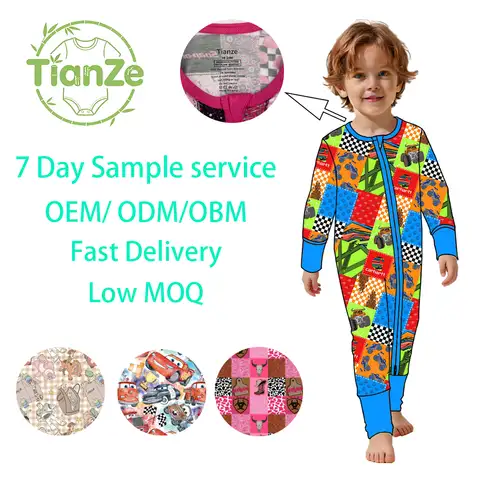
Oem Vendors For Kids Clothes Gots Organic Factory
Understanding Compliance and Quality in Kids' Clothing Vendors
In the world of children's apparel, ensuring compliance with legal standards such as the Consumer Product Safety Commission (CPSC) and the Consumer Product Safety Improvement Act (CPSIA) is non-negotiable. These regulations are designed to safeguard the well-being of children by imposing strict safety and quality guidelines on clothing products. This article navigates the complex landscape of sourcing vendors for kids' clothes, focusing on making informed decisions that align with compliance and quality control (QC) audits.
The Crucial Role of CPSIA in Children's Apparel
The CPSIA, enacted in 2008, was a significant development in consumer protection, especially concerning children's products. Its primary aim is to reduce the risk of harmful substances and ensure the safety of the items purchased for children under 12 years old. Among its mandates are the limits for lead, phthalates, and the requirement for third-party testing and certification.
Vendors must ensure that all products meet the CPSIA requirements and maintain valid certifications. This includes labeling items with proper tracking labels, which allow traceability back to the manufacturer. These labels must include details such as the batch number, date of manufacture, and the city of origin to facilitate easy identification and records management. The end goal is to ensure that each product's journey can be traced and verified at any given point.
Leveraging CPSC Standards for Vendor Assurance
The CPSC plays a pivotal role in enforcing safety standards and recalls for consumer products. For children's clothing, this entails maintaining stringent testing standards that vendors must adhere to. The CPSC dictates guidelines on flammability, small parts regulations, and toxicity limits, ensuring that each clothing item does not pose a hazard to children's health or safety.
For businesses looking to partner with vendors, verifying CPSC compliance is essential. This involves visiting the CPSC website to review any recalls related to potential vendors and ensuring that the suppliers are not listed as recurrent offenders. Vendors with a history of recalls or non-compliance should be avoided. Businesses must also demand transparency and thorough documentation from their vendors, validating each product's compliance status and testing results.
Key Considerations in Conducting Quality Control Audits
Quality control audits are integral to maintaining high standards in children's apparel. Partnering with vendors who exhibit outstanding QC processes ensures the end product's reliability and safety. When choosing a vendor, companies should perform comprehensive audits focusing on the following:
- Fabric Quality: The comfort and safety of kids' clothing heavily depend on the quality of the fabric used. Vendors should be able to provide documentation confirming fabric testing for harmful chemicals and adherence to flammability standards.
- Manufacturing Practices: Ethical and safe manufacturing practices are vital. Audits should encompass the examination of factory conditions, checking for ethical labor practices, and ensuring sustainable production methods.
- Consistency in Sizing and Fit: Children’s clothing vendors must ensure consistency in sizing, following industry-standard sizing charts. Items must fit reliably from batch to batch.
- Packaging and Labeling: Proper packaging ensures safety during transit and presentation. Auditors should verify that products are packaged in materials that do not compromise product integrity and are labeled correctly, ready for retail.
Choosing the Right Vendors for Your Business
As a business interested in sourcing children's clothing, selecting the right vendor is crucial for success. The process involves extensive vetting and due diligence. Here are strategies to effectively choose reliable vendors:
- Conduct Thorough Background Research: Investigate potential vendors deeply by checking industry reviews, client testimonials, and their track record in compliance and quality assurance.
- Request Third-party Test Results: Demand third-party test certificates and compliance documents which are crucial for verifying adherence to CPSIA standards.
- Perform On-site Visits: Consider visiting vendor facilities to personally assess their operations, quality assurance processes, and production environments.
- Utilize Professional Networks: Join industry groups to gain insights into reputable vendors and share experiences with other professionals focused on children's clothing.
Vendors that pass these vetting processes are often capable of producing safe, high-quality children's apparel that satisfies market demand and regulatory obligations.
: Prioritizing Safety and Quality in Kids' Clothing Sourcing
In a market dominated by stringent safety regulations, the importance of selecting compliant vendors for kids' clothing cannot be overstated. Ensuring adherence to CPSIA and CPSC standards not only secures product safety but also bolsters brand credibility and trust. Businesses must commit to detailed QC audits and diligent vendor searches to thrive in the competitive landscape of children's apparel.
| Fabric Type | Organic Bamboo |
| Compliance | CPC Certified |
| Customization | OEM |
| Lead Time | 35 Days |

Ultimately, safe kids' clothing fosters customer satisfaction and brand loyalty, paving the way for sustained business growth. Continuous evaluation and adaptation to legal requirements will guarantee that both vendors and businesses maintain their edge in the ever-evolving regulatory environment.