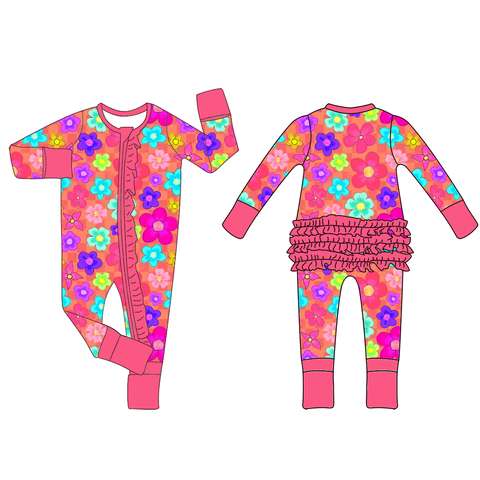
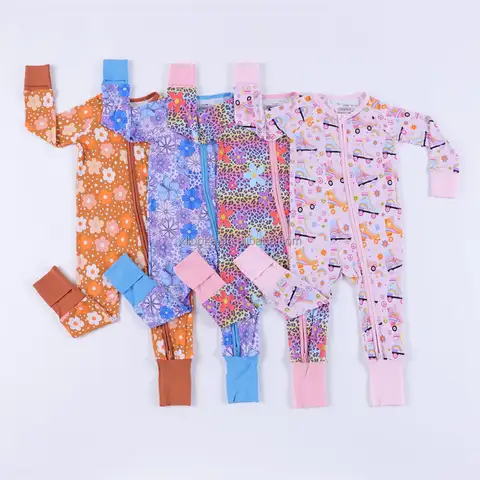
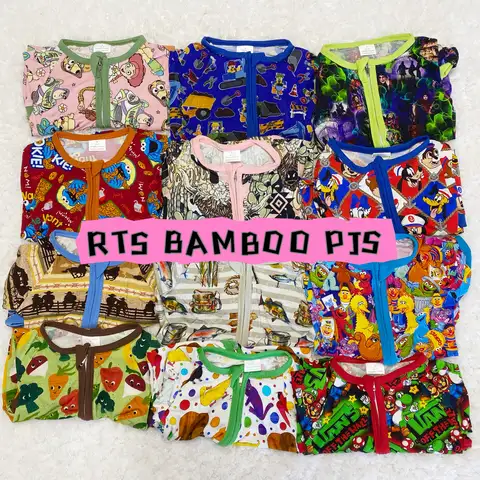
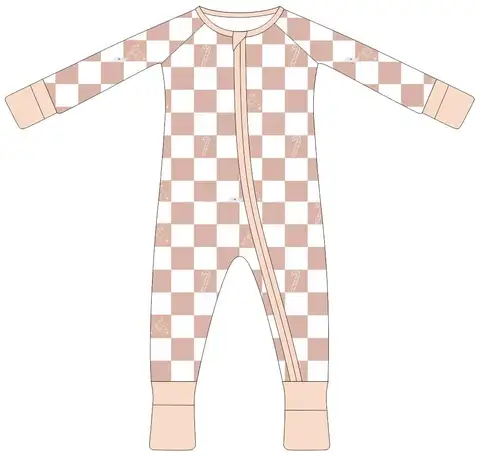
Oem Monogram Baby Clothes Private Label Supplier
Ensuring Compliance and Quality in Monogrammed Baby Clothes
The market for monogrammed baby clothes is booming, with parents seeking personalized and stylish apparel for their infants. However, manufacturers and retailers must navigate a complex landscape of compliance and quality assurance to meet Consumer Product Safety Commission (CPSC) and Consumer Product Safety Improvement Act (CPSIA) standards. This article delves into the intricacies of these requirements, providing insights on how to ensure compliance while maintaining high-quality production.

Understanding CPC/CPSIA Legal Requirements
Ensuring Safety and Compliance
At the heart of ensuring safe monogrammed baby clothes is adherence to CPC/CPSIA regulations. The CPSIA regulates the safety standards for apparel intended for children under age 12, encompassing aspects like lead content, phthalates, and flammability. It's critical for manufacturers to conduct stringent testing to certify compliance, safeguarding the health of infants wearing these clothes.
The Role of Certification
Certification plays a pivotal role in verifying compliance. The CPSC mandates that children's products, including monogrammed baby clothes, are subject to testing by third-party laboratories. After successful testing, a Children's Product Certificate (CPC) is issued, confirming the product meets all applicable safety rules. This certificate must be readily available both online and accompanying the product.
Implementing Quality Control in Production
Design and Material Selection
Quality control begins in the design phase, where choosing the right materials is paramount. Fabrics used in baby clothes should be soft, hypoallergenic, and durable. Manufacturers must also consider the safety of threads and dyes used in monogramming, ensuring they are free from harmful substances and contribute to garment safety.
Production Line Standards
During production, maintaining high standards is crucial. Techniques such as embroidery used for monogramming should be precise to avoid fraying or unraveling that could pose choking hazards. Implementing controls like regular audits and inspections helps ensure that the production process consistently adheres to quality and safety standards.
Regular Quality Audits
Quality audits, both internal and external, are essential in identifying potential flaws in the production process. Internal audits by the QC team should focus on assessing whether the products meet the predefined standards of quality and safety. These audits are complemented by third-party inspections, providing an unbiased review of the production and ensuring compliance with all regulatory requirements.
| Fabric Type | Pima Cotton |
| Compliance | ASTM F963 |
| Customization | Tailor-made |
| Lead Time | 19 Days |
Continuous Improvement and Brand Reputation
Feedback Loop Systems
Creating a feedback loop with customers helps manufacturers understand the market demands and potential improvements. Engaging with consumers through surveys or online reviews can provide valuable insights into product usability and quality. Implementing changes based on this feedback not only enhances product quality but also builds customer trust.
Innovation in Monogramming Techniques
Manufacturers are encouraged to innovate in monogramming techniques, perhaps exploring embroidery types like chenille or applique that offer durability and aesthetic appeal. By investing in advanced technology and training for precision in monogramming, companies can maintain product safety while delivering unique designs.
Building a Trusted Brand
The pursuit of compliance and quality in monogrammed baby clothes builds a stronger, more trustworthy brand. It reflects a commitment to consumer safety and satisfaction that resonates with parents. As companies meet these standards, they position themselves as leaders in the children's apparel industry, driving loyalty and increased market share.
, navigating the complexity of CPC/CPSIA compliance and quality assurance in monogrammed baby clothes is essential for manufacturers dedicated to producing safe, high-quality apparel. By prioritizing safety through stringent testing, design considerations, and continuous improvement practices, businesses can ensure they meet regulatory standards and delight consumers with beautiful, personalized baby clothes.
This HTML-formatted article addresses the complexities of ensuring compliance with CPC/CPSIA legal requirements and quality control for monogrammed baby clothes, providing insights on certification, production standards, and continuous improvement.