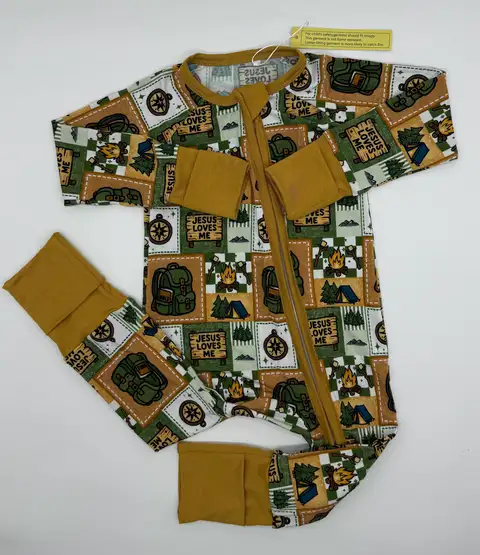
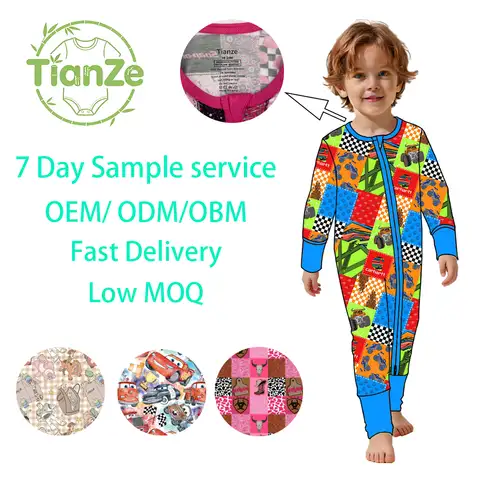
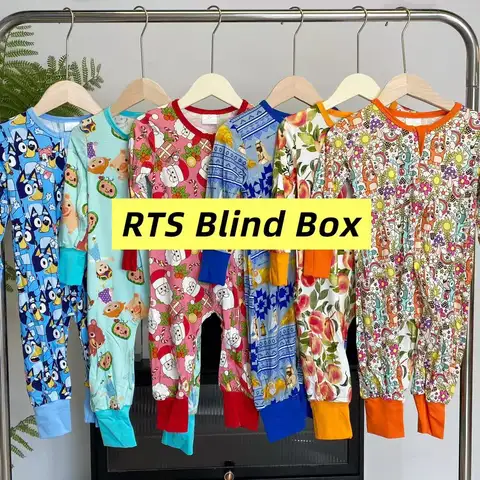
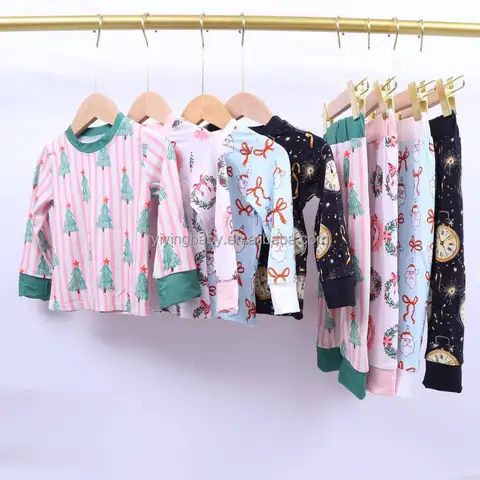
Oem Kids Wholesale Clothing Custom Factory
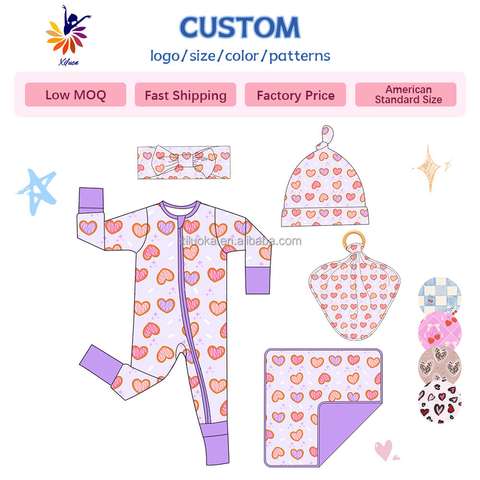
Ensuring Compliance and Quality in Kids Wholesale Clothing
The booming market for kids wholesale clothing presents an array of opportunities and challenges for businesses involved. The demand for children's apparel continues to grow, thanks to changing trends, seasonal fashion needs, and the constant requirement for durable, safe, and comfortable clothing. However, industry leaders must ensure that their products comply with stringent regulations and quality standards, specifically the Consumer Product Safety Improvement Act (CPSIA) and Consumer Product Compliance (CPC) requirements. These regulations pose significant legal obligations, demanding thorough adherence from manufacturers, wholesalers, and retailers alike.
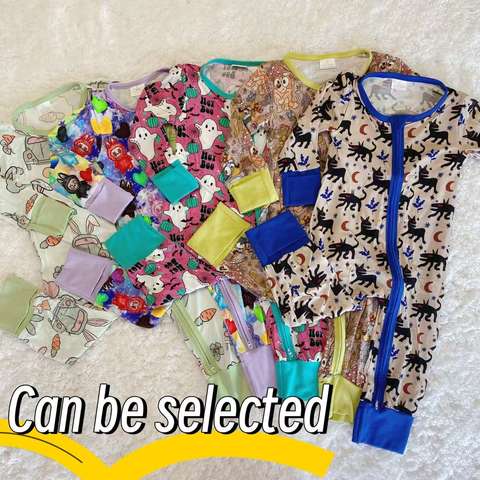
Understanding CPSIA: Legal Requirements for Kids Clothing
The CPSIA was enacted to enhance the safety standards for children’s products, specifically addressing concerns about hazardous materials and inadequate labeling. For businesses in the kids wholesale clothing sector, understanding CPSIA regulations is crucial. Conformity not only positions a company as socially responsible but also shields it from potential legal repercussions.
Key CPSIA requirements include:
- Lead Content Testing: Children's clothing must meet strict limits on lead content. This involves testing materials, such as buttons, zippers, and paint, to ensure they do not exceed permissible lead levels.
- Phthalate Restrictions: Phthalates, often found in plastics, must be limited in children’s apparel. The CPSIA sets forth specific bans on certain phthalates to mitigate health risks.
- Tracking Labels: CPSIA mandates that all children's products bear permanent tracking labels. These labels facilitate recall efforts and provide information about the product’s source and batch.
Consumer Product Compliance (CPC) in Wholesale Clothing
Consumer Product Compliance, while aligned with CPSIA, extends to broader responsibilities within the product lifecycle. CPC encompasses comprehensive testing, certification, and documentation procedures essential for legal compliance and market viability.
Critical CPC elements include:
- Certification Standards: Businesses must issue a Children’s Product Certificate (CPC) indicating compliance with all applicable safety rules. This document is crucial for demonstrating accountability.
- Risk Assessment and Mitigation: A proactive approach to identifying potential product risks is vital. This involves routine inspection of production facilities and processes to ensure continuous compliance.
- Supply Chain Transparency: Transparency across every stage of manufacturing and distribution ensures traceability, accountability, and conformity with both CPC and CPSIA standards.
Organizations venturing into kids wholesale clothing must prioritize CPC processes by collaborating with reputable testing labs and maintaining comprehensive documentation.
Quality Control Audits in Kids Clothing Industry
Quality Control (QC) audits are indispensable tools for maintaining high standards in the kids clothing industry. These audits help identify deficiencies in products and production processes, ensuring consistent quality and compliance with legal regulations.
Effective QC audit strategies include:
- Sampling and Inspection: Regular sampling of products and thorough inspection of materials are essential. This approach helps in detecting inconsistencies and ensuring adherence to quality benchmarks.
- Process Standardization: Implementing standardized manufacturing processes reduces variations and enhances product reliability. This also supports compliance with CPC and CPSIA standards.
- Continuous Improvement: QC audits shouldn't be one-time events. Continuous improvement practices — including regular review meetings and employee training — foster a culture of quality and compliance.
Organizations should establish rigorous QC audit systems to enhance product safety, minimize defects, and uphold their market reputation.
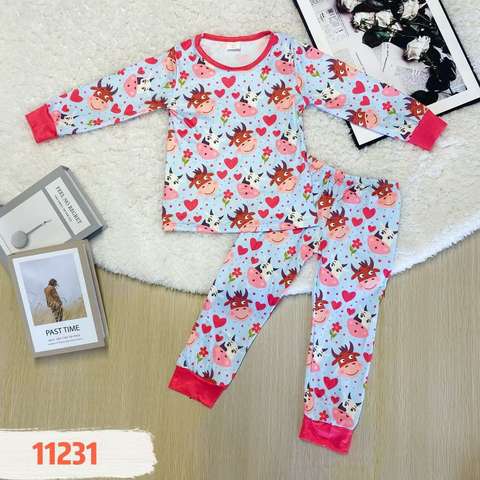
Engaging with the Regulatory Landscape and Best Practices
In the competitive arena of kids wholesale clothing, regulatory adherence and quality assurance are not just legal mandates; they are vital for commercial success and consumer trust. Embracing the CPSIA and CPC frameworks offers businesses an opportunity to contribute to safer consumer environments while maintaining robust market positions.
Best practices involve investing in reliable testing facilities and adopting innovative technology solutions for monitoring compliance. , fostering collaborations with supply chain partners ensures that every component of production meets established standards.
Ultimately, prioritizing safety and quality not only mitigates legal risks but enhances brand loyalty, driving long-term growth in the competitive kids apparel market.
| Fabric Type | Pima Cotton |
| Compliance | CPSIA Compliant |
| Customization | OEM |
| Lead Time | 19 Days |