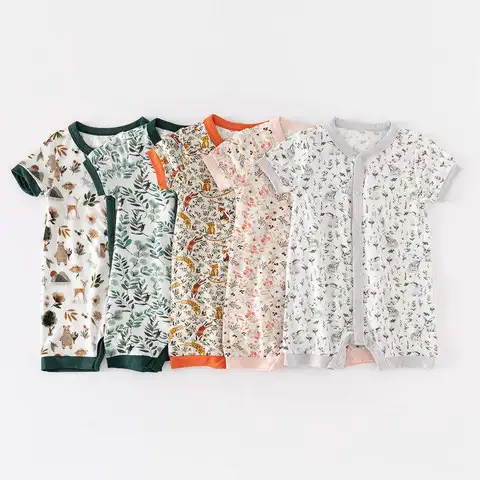
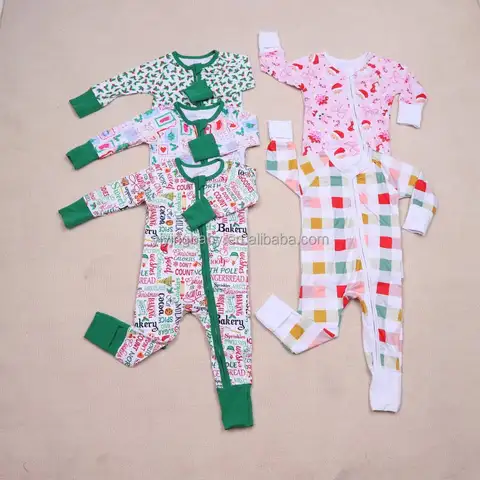
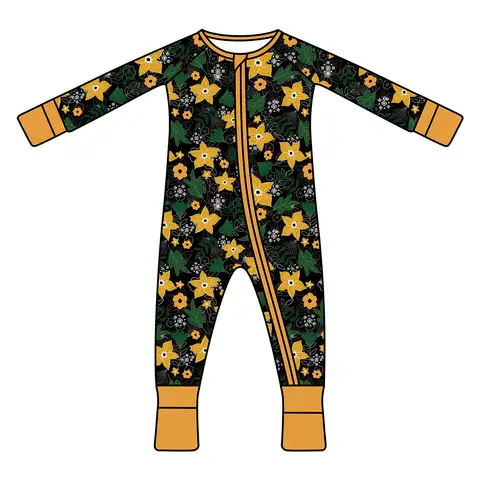
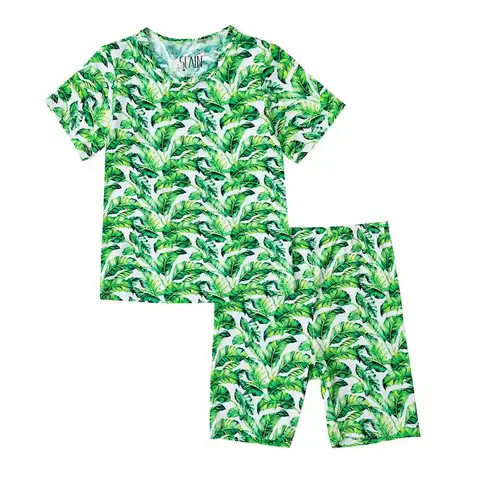
Oem Custom Onesie Private Label Exporter
Exploring the Compliance and Quality Assurance of Custom Onesies in a B2B Context
In the ever-evolving apparel industry, custom onesies have carved a niche for themselves, charming both consumers and businesses alike. However, with this rise in popularity comes an intricate web of compliance mandates and quality assurance requirements that businesses must navigate to ensure success in the marketplace. As an inspector focusing on the Consumer Product Safety Improvement Act (CPSIA) and product quality control (QC), it is imperative to delve into these regulations and auditing processes that impact B2B transactions in the custom onesie sector.
Understanding CPSIA Compliance
When it comes to custom onesies, especially those intended for children, compliance with the Consumer Product Safety Improvement Act (CPSIA) is non-negotiable. Enacted in 2008, the CPSIA addresses the safety and testing requirements for children's products to minimize risks such as choking, entrapment, and exposure to toxic substances.
One critical component of CPSIA compliance is ensuring that custom onesies do not contain lead levels exceeding 100 ppm. Lead, previously prevalent in fabric dyes and fasteners, poses serious health risks, particularly to children. Therefore, manufacturers must utilize materials and processes that adhere to these safety standards.

Additionally, custom onesies must meet flammability standards as dictated by the Flammable Fabrics Act (FFA), an extension of the CPSIA. This requirement ensures that fabrics used in children’s clothing, such as fleece or cotton, resist ignition and burn at a controlled rate if exposed to an open flame. The ramifications of non-compliance are severe, often encompassing hefty fines and product recalls.
The Role of Children’s Product Certificates (CPC)
Under the CPSIA, every importer and domestic manufacturer must provide a Children's Product Certificate (CPC). This certificate, based on third-party testing by a Consumer Product Safety Commission (CPSC)-approved laboratory, confirms that the custom onesie complies with the applicable standards set forth by the CPSIA.
The CPC must detail the product identification, applicable safety rules, the test results, and information on the testing laboratory. Importers should maintain an efficient documentation process, ensuring that every batch of custom onesies is accompanied by a valid CPC. Failure to produce a CPC, or inaccuracies within, can lead to distribution delays, penalties, or worse—complete market withdrawal.
Quality Control Audits: Ensuring Product Excellence
In addition to legal compliance, maintaining high product quality is essential for brand reputation and customer satisfaction. Quality Control (QC) audits play a crucial role in this aspect. For B2B transactions involving custom onesies, QC audits help ascertain that product specifications align with buyer expectations and industry standards.
QC audits typically encompass inspections at different production stages, from incoming raw materials to in-line production and final finished goods inspections. Auditors evaluate criteria such as fabric quality, stitching, sizing accuracy, and embellishment integrity. Discrepancies or defects identified during QC checks allow manufacturers to rectify issues proactively, minimizing waste and potential customer complaints.
Consistent QC audits foster a culture of continuous improvement, enabling businesses to implement corrective action plans based on audit findings. This strategic approach not only betters product quality but also reduces costs associated with returns and recalls, enhancing profitability.
Stringent Tests: Meeting Performance Criteria
To maintain competitive edge and compliance, custom onesies undergo a series of stringent tests to meet performance criteria. These tests assess various properties such as colorfastness, tensile strength, and seam slippage, ensuring durability and safety.
Colorfastness tests evaluate how well fabrics resist fading or bleeding when exposed to factors like washing, perspiration, or light. This is particularly important for custom onesies with vibrant designs, as poor colorfastness can lead to consumer dissatisfaction and brand damage.
A tensile strength test measures a fabric's resistance to pulling forces, crucial for onesies as they must endure frequent wear and stress from movement. Seam slippage tests ensure that seams remain intact under tension, preventing garment failure and ensuring ongoing consumer trust in product reliability.
By regularly performing these tests and incorporating the results into production improvements, businesses can uphold high standards of craftsmanship while supporting their compliance obligations.
Implementing an Effective Compliance and QC Strategy
To seamlessly integrate compliance and quality assurance into their operations, businesses involved in the production of custom onesies should adopt a multi-faceted strategy. This involves:
- Supplier Collaboration: Establishing strong relationships with suppliers to ensure access to high-quality, compliant materials.
- Clear Specifications: Drafting clear and detailed product specifications that outline compliance and quality expectations for suppliers and manufacturers.
- Regular Training: Conducting regular training sessions for staff involved in procurement, production, and QC to keep them updated on evolving standards.
- Technology Utilization: Leveraging technology to track compliance documentation and QC audits, facilitating real-time issue identification and management.
- Risk Assessment: Implementing thorough risk assessment procedures to identify potential compliance issues before mass production.
By embedding these practices into their business model, companies can mitigate compliance risks, enhance quality assurance, and build a reputation for reliability and excellence in the custom onesie market.
| Fabric Type | Organic Bamboo |
| Compliance | GOTS Organic |
| Customization | Custom |
| Lead Time | 22 Days |
, navigating the complexities of CPSIA compliance and quality control audits is paramount for businesses dealing in custom onesies. By adhering to established standards and adopting proactive quality assurance measures, these companies can safeguard consumer safety, uphold their brand integrity, and thrive in a competitive B2B landscape.