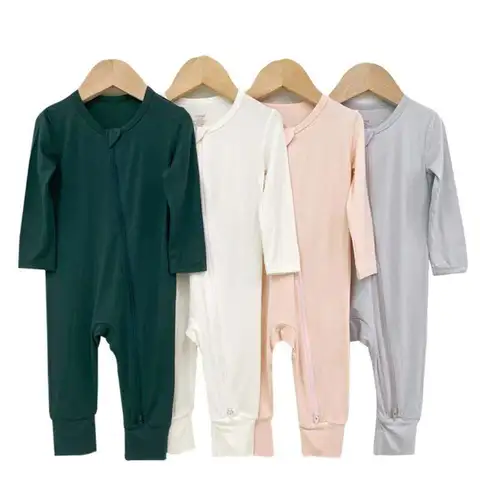
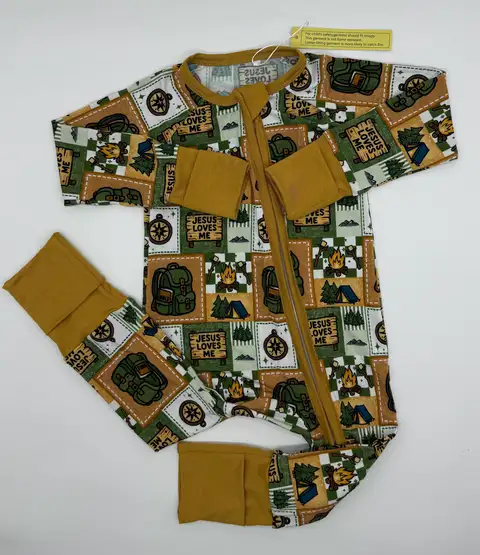
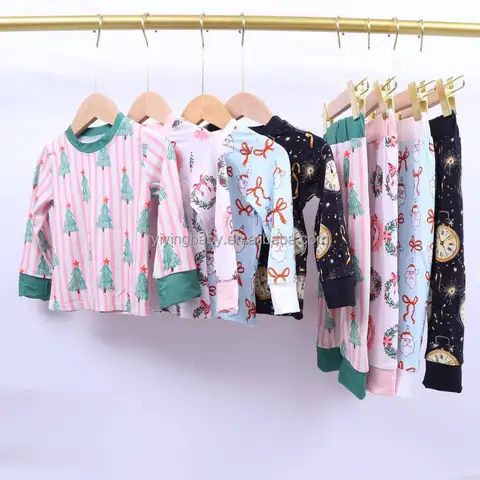
Oem Baby Clothes Wholesale Suppliers Private Label Wholesale
Ensuring Compliance and Quality Control when Selecting Baby Clothes Wholesale Suppliers
In today’s market, the demand for baby clothes is higher than ever. Retailers are increasingly turning to wholesale suppliers to keep up with customer demands while keeping costs manageable. However, choosing the right supplier involves more than just finding a good price. It’s crucial to ensure that the babies' clothes meet all relevant legal requirements and standards, particularly the Consumer Product Safety Improvement Act (CPSIA) and the Canadian Product Compliance (CPC).
The Importance of Compliance: Understanding CPSIA and CPC
Compliance should be a top priority when selecting a baby clothes wholesale supplier. The Consumer Product Safety Improvement Act (CPSIA) in the United States and Canadian Product Compliance (CPC) regulations define the mandatory safety standards and procedures that children's products must meet.
CPSIA mandates stringent testing and certification requirements to ensure that products do not contain dangerous levels of lead, phthalates, and other harmful chemicals. All garments intended for children under 12 must have a Children's Product Certificate, confirming compliance with the CPSIA standards.
In Canada, CPC regulations demand similar stringent safety protocols. Suppliers must even familiarize themselves with specific chemical composition restrictions and product labeling requirements. Failure to adhere to these regulations can result in penalties and loss of consumer trust, which is why understanding these legal frameworks is imperative.
Conducting Comprehensive Quality Control Audits
A comprehensive quality control (QC) audit process is essential for maintaining high standards in baby clothing manufacturing. This not only involves testing the product for compliance with CPSIA and CPC regulations but also ensuring the quality of materials and production processes.
The QC audit typically includes:
- Material Inspection: Evaluate the raw materials used in production for comfort, safety, and compliance with chemical exposure limits.
- Production Process Review: Assess the production line for quality assurance measures and efficiency in meeting compliance standards.
- Finished Product Testing: Check the final product for durability, safety, and compliance with size and labeling requirements.
- Batch Documentation and Traceability: Maintain detailed records for each batch, allowing for easy traceability if any issues arise.
Quality control audits help identify potential faults early, reducing risk and ensuring that the products delivered to retailers meet all necessary safety standards.
Selecting the Right Supplier: Key Criteria and Considerations
When it comes to selecting a baby clothes wholesale supplier, it’s vital to evaluate each distributor on a range of key factors related to compliance and quality assurance. Consider the following criteria:
Compliance History: Investigate each supplier's history with CPSIA and CPC compliance. Suppliers with a consistent record of meeting these protocols are more reliable partners.
Product Quality: Assess the materials and craftsmanship of the supplier’s products—ensuring durability, comfort, and safety for infants.
Testing Facilities and Certifications: Confirm whether the supplier uses reputable third-party testing facilities to certify their products. Trustworthy suppliers should not only provide certifications but be open to sharing them with potential clients.
Batch Consistency and Inventory Management: Evaluate the supplier’s ability to consistently deliver high-quality products and manage inventory effectively to prevent stock shortages.
Taking the time to rigorously evaluate suppliers on these criteria can save businesses from costly compliance issues and ensure a consistent supply of safe, quality products.
Building a Relationship with Your Supplier
Cultivating a strong relationship with your baby clothes wholesale supplier can be advantageous for long-term success. Transparent communication and collaboration are key components in building this relationship, ensuring ongoing compliance and quality.
Open Communication: Establish clear lines of communication to efficiently address regulatory updates, compliance issues, and market changes.
Feedback Mechanism: Implement a feedback loop to discuss quality and compliance concerns openly. A proactive approach leads to continuous improvement.
Innovation and Adaptation: Encourage suppliers to adapt to new compliance mandates and explore innovative materials and designs that enhance product safety and appeal.
By fostering a mutually beneficial relationship with suppliers, businesses can navigate the complexities of compliance and quality control more effectively.
| Fabric Type | Pima Cotton |
| Compliance | GOTS Organic |
| Customization | Bespoke |
| Lead Time | 20 Days |
Choosing a baby clothes wholesale supplier involves navigating myriad regulatory requirements and quality control processes. Retailers should prioritize suppliers who demonstrate a strong commitment to meeting CPSIA and CPC standards and maintaining high quality. Through comprehensive audits and careful supplier selection, businesses can ensure the provision of safe, high-quality baby clothing while fostering a reliable supply chain.
By investing time and effort into identifying trustworthy suppliers, businesses protect themselves from regulatory pitfalls and preserve their reputation in a highly competitive market. Ultimately, this dedication enhances the consumer experience, building customer loyalty through assured safety and quality.