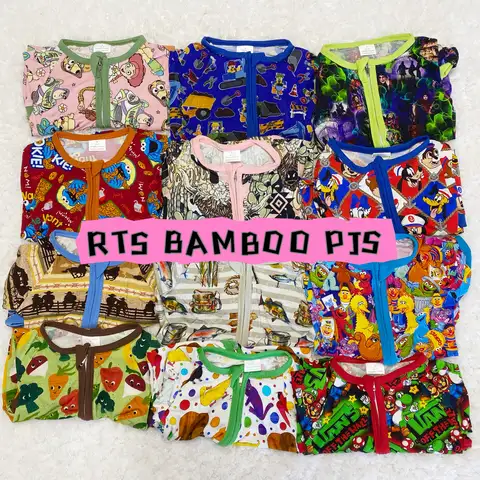
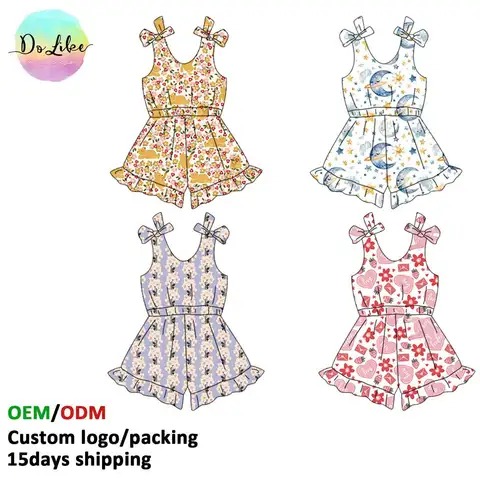
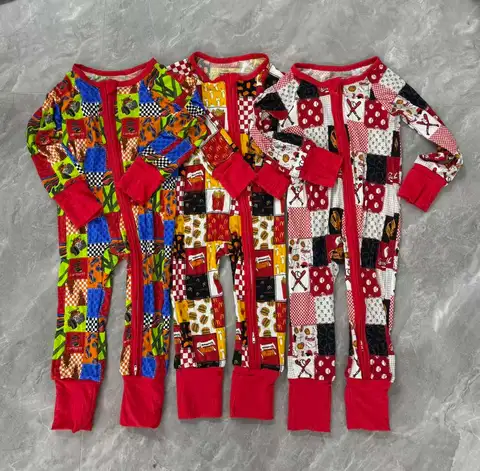
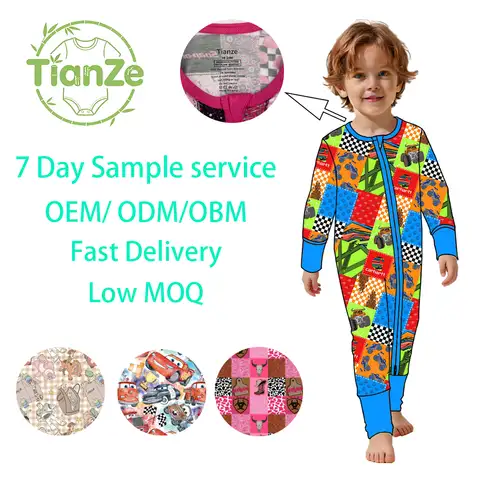
Oem Baby Clothes Manufacturers In India Private Label Factory
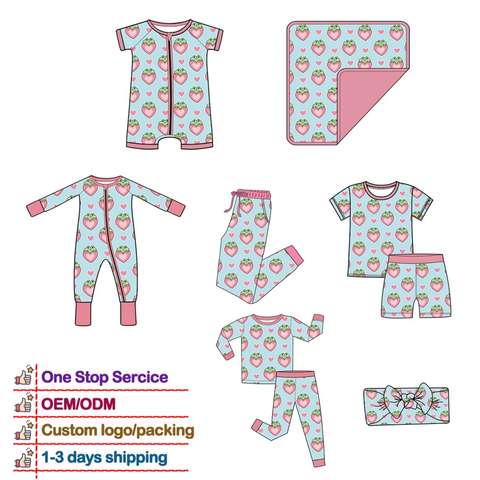
Understanding the Landscape of Baby Clothes Manufacturing in India
The baby clothing industry is witnessing burgeoning growth, with India emerging as a crucial player. Indian manufacturers are known for their competitive pricing, skilled labor, and adherence to international standards. However, navigating the complex terrain of legal compliance and quality control is paramount for ensuring successful entry and sustainability in global markets.
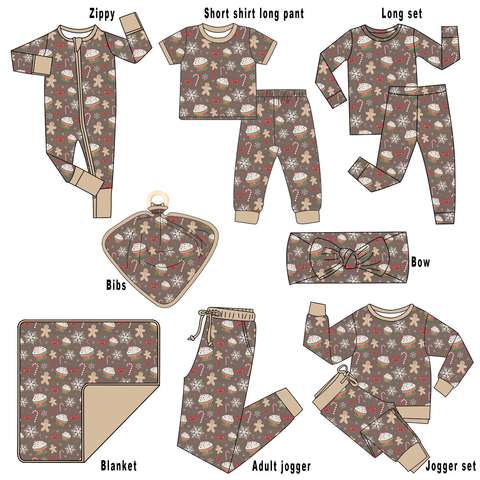
Legal Requirements: CPC/CPSIA Compliance
Manufacturers in India's baby clothing sector must comply with several regulations, the Consumer Product Safety Improvement Act (CPSIA) and similar international standards. CPC, which stands for Children's Product Certification, must accompany each product sold in the U.S. market, certifying that it meets all applicable safety rules.
CPSIA: Ensuring Safety and Compliance
The CPSIA mandates stringent requirements for baby and children's apparel, including testing for lead and phthalates content, ensuring mechanical safety, and proper labeling. Manufacturers must conduct third-party testing and issue a Children's Product Certificate (CPC) to affirm compliance. This involves:
- Lead Content Testing: CPSIA specifies that any painted surface must comply with lead limits, set at 100 ppm.
- Phthalate Testing: Infant apparel accessible to the mouth must be tested for specific phthalates known to pose hazards.
- Registration and tracking labels: Each product must carry a tracking label, providing information on the manufacturer, production date, and batch number, aiding in recalls if necessary.
The regulatory landscape may seem daunting, but with meticulous planning and precise execution, manufacturers can adeptly navigate these requirements.
Quality Control (QC) Audits: Ensuring Product Excellence
Quality control audits form the backbone of maintaining high standards in baby clothing manufacturing. QC processes ensure that products meet not only the legal requirements but also customer expectations. Here’s how manufacturers can implement robust QC practices:
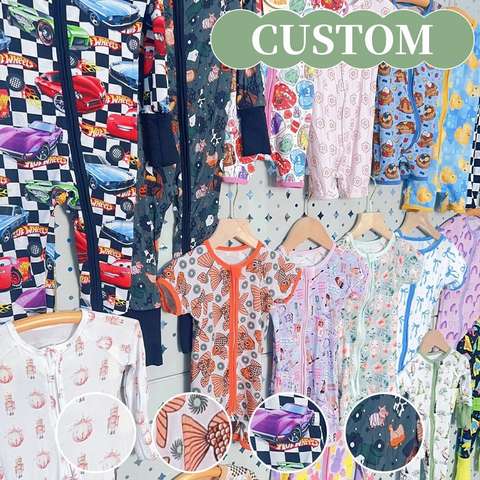
Developing a Comprehensive QC Program
Developing a rigorous QC program is critical for manufacturers. This involves:
- Design and Material Assessments: Conducting thorough evaluations of design specifications and material choices in line with international quality norms.
- In-Process Inspections: Implementing real-time inspections during various production stages to ensure adherence to predefined standards.
- Final Product Testing: Comprehensive testing of finished products to ensure safety, compliance, and durability.
A well-defined QC program not only aids compliance but also boosts brand reputation by ensuring premium product quality.
The Role of Third-Party Auditors
Engaging with third-party auditors is a strategic move for manufacturers. These experts bring specialized knowledge and an impartial perspective to QC processes, enhancing the robustness of compliance measures.
Benefits of Third-Party Audits
Third-party audits offer several advantages, including:
- Objective Compliance Checks: External auditors conduct unbiased evaluations, ensuring all regulatory mandates are thoroughly checked.
- Expert Guidance: Third-party experts bring a wealth of knowledge and experience, helping manufacturers to refine their processes and systems.
- Improved Consumer Trust: Products verified by reputable auditors enhance consumer confidence, boosting market reputation.
For baby clothes manufacturers focused on global expansion, third-party auditing becomes an indispensable asset.
Best Practices for Regulatory Compliance
Adhering to best practices is vital for sustaining regulatory compliance. These include:
- Continuous Training: Regular training programs for personnel on evolving regulatory requirements.
- Staying Updated: Keeping abreast of changes in international trade regulations and standards.
- Documentation and Record-Keeping: Maintaining meticulous records of compliance tests, audits, and certifications.
Implementing these practices ensures that the path to compliance is smooth and error-free.
As baby clothes manufacturers in India tap into global markets, navigating the complexities of CPC/CPSIA compliance and QC audits becomes crucial. By implementing robust compliance protocols, engaging third-party auditors, and adhering to industry best practices, manufacturers can not only meet regulatory standards but also elevate their brand in the international arena.
| Fabric Type | Pima Cotton |
| Compliance | CPSIA Compliant |
| Customization | Private Label |
| Lead Time | 24 Days |