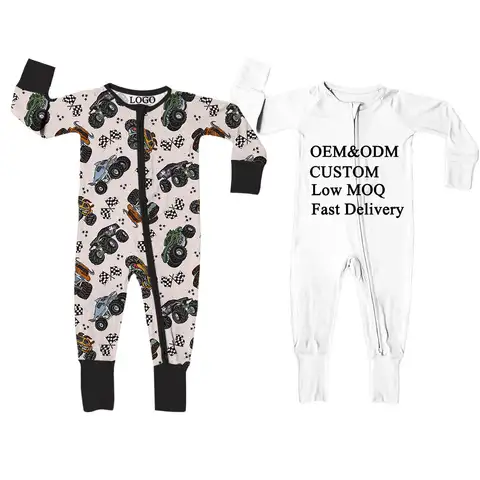
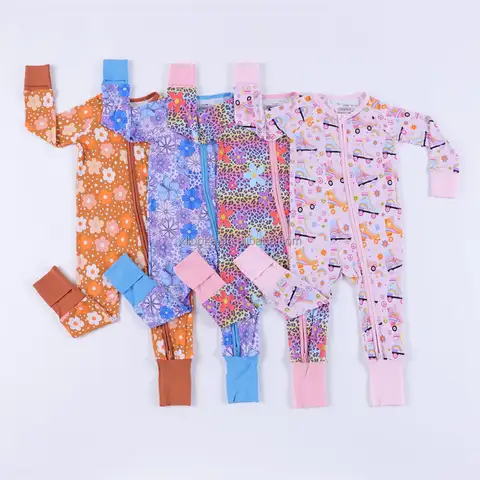
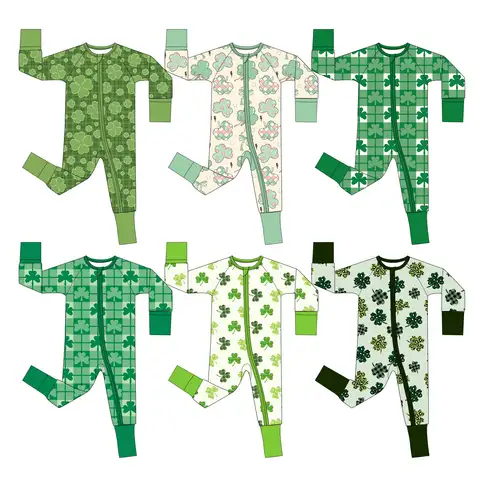
Oem Baby Clothes Manufacturer Odm Exporter
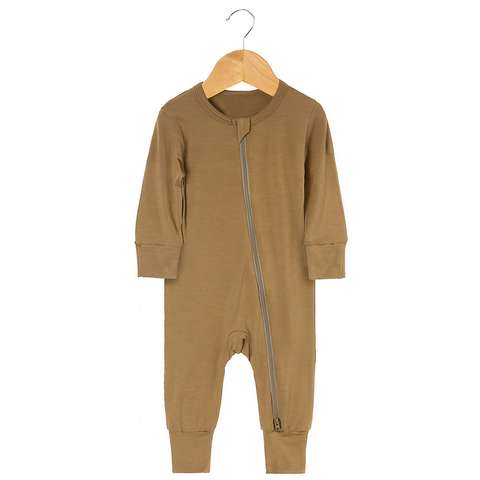
Ensuring Compliance and Quality in Baby Clothes Manufacturing
Manufacturing baby clothes is an intricate process that requires a keen eye for detail, adherence to legal standards, and relentless pursuit of quality. As stakeholders in the industry, understanding the complex legal landscape of the Consumer Product Safety Commission (CPC) and the Consumer Product Safety Improvement Act (CPSIA) is crucial. This article explores the essential legal requirements and quality control (QC) audits necessary for a successful baby clothes manufacturing operation.
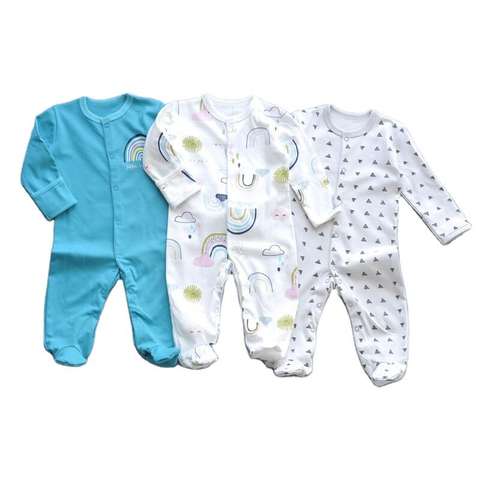
Understanding CPSIA and CPC Requirements
The Consumer Product Safety Improvement Act (CPSIA) was enacted to enhance regulations concerning the safety of children’s products, including baby clothes. Manufacturers must comply with various requirements to ensure the safety and quality of their products.
Product Testing and Certification: CPSIA mandates third-party testing and certification of children’s products for compliance with applicable safety standards. Baby clothes must undergo tests for hazardous elements such as lead and phthalates. Ensuring that products are free from harmful substances is fundamental to earning certification.
Tracking Labels: Every item must have a tracking label that includes data such as the manufacturer’s name, location, production date, and batch number. These labels ensure traceability in case of safety issues and facilitate quick recalls.
Standardized Safety Requirements: In addition to chemical testing, baby clothes must comply with non-chemical-related safety standards, such as those concerning flammability and small parts.
The Role of QC Audits in Baby Clothes Manufacturing
Quality control audits are pivotal in the manufacturing process, ensuring that baby clothes not only meet regulatory requirements but also satisfy consumer expectations for quality and durability.
Design and Material Inspection: Before production begins, a QC audit evaluates the design and materials selected for manufacturing. This step is crucial to identify potential safety hazards in the early stages and to confirm that materials comply with CPC/CPSIA standards.
In-Process Quality Checks: Continuous inspection during manufacturing helps identify and rectify defects promptly. This involves checking fabric integrity, seam strength, and garment construction to ensure consistency and quality.
Implementing Effective Quality Control Strategies
Developing a comprehensive quality control strategy is essential for maintaining high standards and ensuring the safety of baby clothes. Here are key strategies for manufacturers:
Training and Educating Staff: Educating the workforce about CPC/CPSIA regulations and QC protocols is vital. Regular training sessions can enhance awareness and ensure staff are up-to-date with the latest standards and techniques.
Technology Integration: Incorporating technology into QC processes can improve efficiency and accuracy. Automated inspections and digital tracking systems provide reliable data for analysis and compliance verification.
Supplier Management: Partnering with reputable suppliers is essential for ensuring material quality. Conduct regular audits to verify supplier compliance with safety standards, and develop strong relationships to encourage transparency and accountability.
Challenges in Compliance and Quality Assurance
Despite stringent protocols, baby clothes manufacturers face challenges in maintaining compliance and quality assurance:
Adapting to Change: Regulatory requirements evolve, and manufacturers must be agile in adjusting their processes to align with new standards. This necessitates constant vigilance and proactive management.

Cost Implications: High-quality, compliant manufacturing processes can be costly. Balancing cost-effective production with uncompromised quality and safety is often challenging, requiring strategic planning and investment.
| Fabric Type | Organic Bamboo |
| Compliance | CPSIA Compliant |
| Customization | Bespoke |
| Lead Time | 36 Days |
Sustainability Concerns: Modern consumers are increasingly aware of sustainable practices. Ensuring that baby clothes meet eco-friendly standards while maintaining compliance is an additional hurdle for manufacturers.
: Prioritizing Safety and Quality in Baby Clothes Manufacturing
Manufacturers of baby clothes must navigate a complex landscape of regulations and quality controls to deliver safe, durable, and compliant products. By understanding CPSIA and CPC requirements, investing in rigorous QC audits, and facing industry challenges head-on, companies can uphold the highest standards of production.
Ultimately, the safety and well-being of children depend on effective compliance and quality assurance strategies. Manufacturers who prioritize these aspects not only protect their consumer base but also build trust and reputation in the industry. As regulations continue to evolve, staying informed and adaptable will be vital in maintaining a successful and sustainable manufacturing operation.