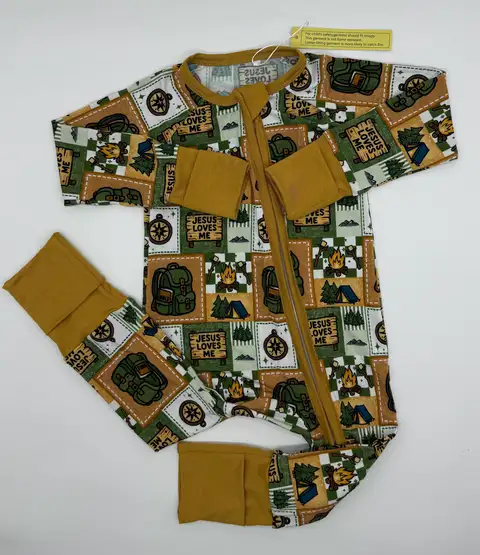
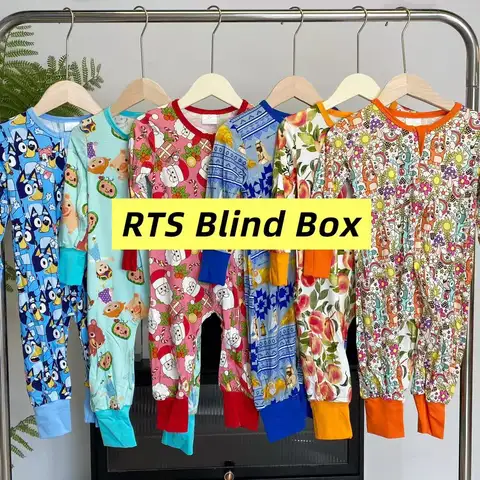
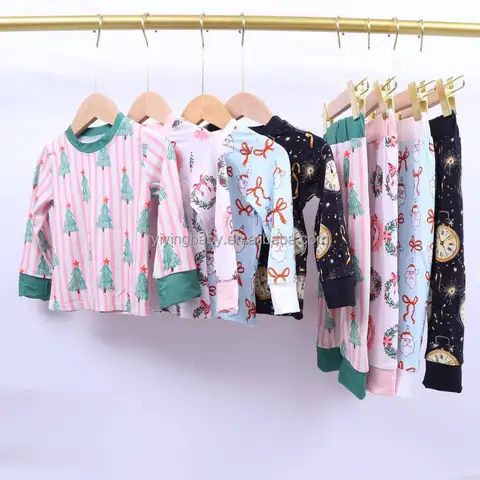
Oekotex 100 Wholesale Bamboo Baby Pajamas Gots Organic Wholesale
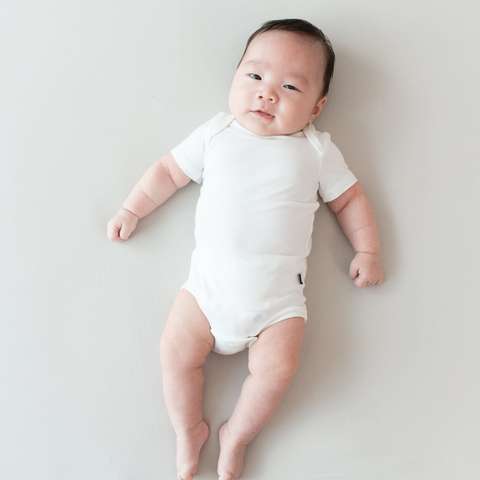
Wholesale Bamboo Baby Pajamas: Ensuring Compliance and Quality
As the demand for eco-friendly products continues to rise, wholesale bamboo baby pajamas have emerged as a popular choice among retailers and consumers alike. Bamboo fabric is cherished for its softness, breathability, and sustainable nature, making it an ideal material for baby clothing. However, importing and distributing bamboo baby pajamas involves navigating a landscape of regulations and quality control concerns to ensure safety and compliance. This article delves into the legal requirements outlined by the Consumer Product Safety Improvement Act (CPSIA) and best practices for quality control (QC) audits.
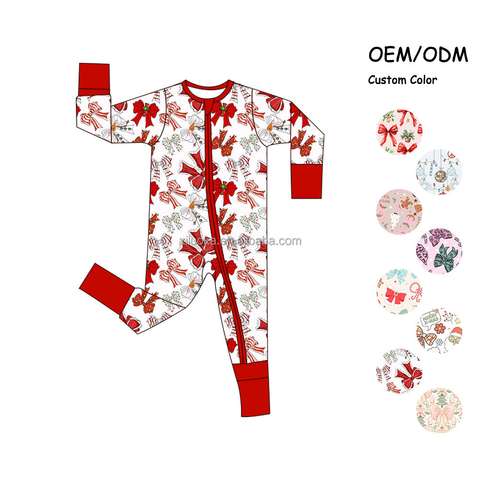
The Importance of CPSIA Compliance
The Consumer Product Safety Improvement Act (CPSIA) is pivotal in regulating children’s products, including baby pajamas. Enacted in 2008, CPSIA aims to improve product safety through stringent standards that protect children from harmful substances and hazardous conditions. For businesses involved in the wholesale of bamboo baby pajamas, ensuring compliance with CPSIA is not just a legal obligation but a critical assurance of product safety and consumer trust.
CPSIA mandates third-party testing for children's products to verify compliance with lead and phthalate limits, mandatory standards, and safety regulations. Importers and manufacturers must also issue a Children’s Product Certificate (CPC), confirming that the product has passed CPSIA-regulated tests. These requirements ensure that bamboo baby pajamas are free from toxic hazards, maintaining the health and safety of the most vulnerable consumers.
Key CPSIA Requirements for Bamboo Baby Pajamas
Ensuring CPSIA compliance for bamboo baby pajamas involves adhering to several key requirements, which are pivotal for maintaining safety standards:
- Lead and Phthalate Testing: CPSIA strictly controls lead content in children’s products, limiting it to no more than 100 parts per million (ppm). Phthalates, used in plastics to increase flexibility, should not exceed 0.1% concentration. Both lead and phthalates can be detrimental to health, making rigorous testing essential.
- Flammability Standards: Clothing textiles must meet flammability standards set out under the Flammable Fabrics Act (FFA). Bamboo fabric, being naturally flame-resistant, typically adheres well to these standards; however, confirmation through testing is necessary.
- Labeling Requirements: Labels must include clear and permanent tracking information, enabling easy identification of product batches and recall if required. This includes details like manufacturer’s name, origin, and date of production.
Distributors should work closely with compliance testing labs to ensure all bamboo baby pajamas meet these stringent requirements, thereby safeguarding product integrity and consumer safety.
Conducting Effective QC Audits
Quality control audits are integral in the wholesale distribution of bamboo baby pajamas. These audits assess the quality and safety of products before they reach the consumer, minimizing defects and enhancing customer satisfaction. Given the delicacy of baby wear and the unique properties of bamboo fabric, specific QC procedures are essential for maintaining product quality.
Pre-Production Inspection: The initial phase involves verifying raw materials—such as bamboo fibers—ensuring they meet specified standards for softness, durability, and ethical sourcing. Pre-production audits also assess manufacturing facilities for CPC-compliant processes.
Production Monitoring: Inspectors should monitor production to verify that every stage aligns with best practices for quality assurance, controlling variables like weave tightness and fabric finish. Production audits help identify deviations early, allowing timely corrections.
Post-Production Testing: Comprehensive tests on finished garments evaluate factors like colorfastness, shrinkage, and tensile strength. Post-production QC audits confirm the bamboo baby pajamas meet regulatory and quality standards, ensuring reliability and customer satisfaction.
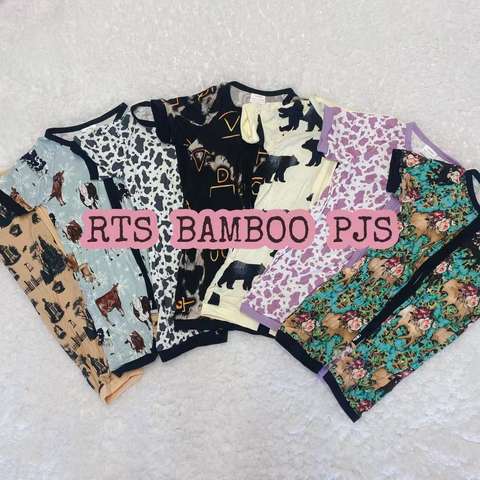
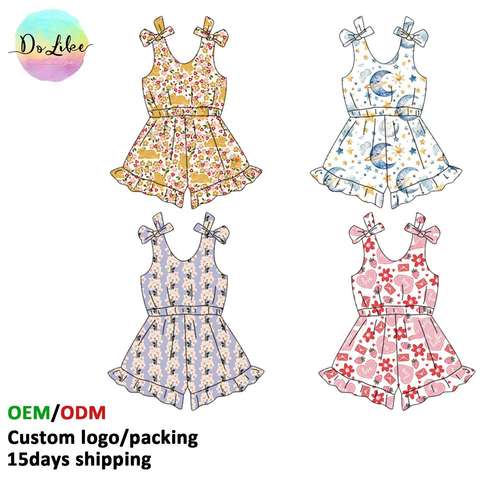
Partnering with Reliable Testing Laboratories
Choosing the right testing and audit partner is crucial for effective compliance and quality control in wholesale bamboo baby pajamas. Collaborating with accredited labs skilled in CPSIA standards and textile testing is a strategic advantage for distributors.
Expertise in CPSIA Compliance: Laboratories with CPSIA experience offer insights on regulatory updates and technical guidance, ensuring seamless compliance and certification.
| Fabric Type | Pima Cotton |
| Compliance | CPSIA Compliant |
| Customization | OEM |
| Lead Time | 33 Days |
Advanced Testing Capabilities: Reliable labs should possess advanced testing technology capable of precise measurement, confirming adherence to safety standards for lead, phthalates, and flammability.
Custom Solutions: A committed testing partner provides bespoke services tailored to the unique properties of bamboo fabric, aiding in accurate quality assessments and audit preparation.
Collaborating with adept testing labs assures that wholesale bamboo baby pajamas maintain unparalleled safety and quality, fostering trust and reputation in the marketplace.
In the competitive world of wholesale bamboo baby pajamas, compliance with CPSIA and robust quality control are not optional—they are imperative. Ensuring that each pajama adheres to stringent safety regulations protects not only the consumer but also fortifies the brand's reliability and ethical standing. By understanding and integrating the essential aspects of CPSIA requirements and QC audits, businesses can confidently navigate the evolving landscape of eco-friendly baby apparel, delivering products that resonate with both retailers and discerning consumers.