Oekotex 100 Kids Clothing Wholesale Suppliers Bespoke Manufacturer
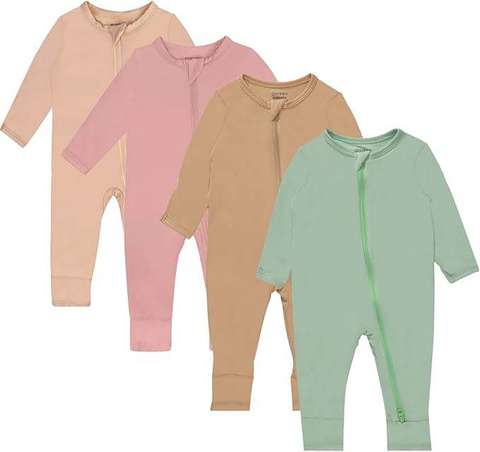
Ensuring Safety and Quality in Kids Clothing Wholesale
The children's clothing industry is fraught with challenges in regulatory compliance and quality assurance. As a wholesale supplier, navigating these complexities is imperative not only for legal adherence but also for safeguarding brand reputation and consumer trust. Focusing on the Consumer Product Safety Commission (CPSC) regulations and the Consumer Product Safety Improvement Act (CPSIA), this article examines key aspects of compliance and quality control (QC) audits applicable to kids clothing wholesale suppliers.
CPC/CPSIA Legal Requirements for Kids Clothing
At the heart of product safety and compliance in the U.S. is the CPSIA—legislation that governs the safety requirements for children’s products, including clothing. The act mandates stringent standards on several fronts, including labeling, ban on toxic materials, and flammability. Understanding and implementing these standards is crucial for wholesale suppliers if they aim to thrive in this competitive market.
Labeling and Documentation
Ensuring that children’s clothing adheres to proper labeling norms is a foundational step for compliance. CPSIA requires that all items marketed to children under the age of 12 contain tracking labels, which assist in recall processes and provide parents with detailed information regarding the product's manufacturing origin. This not only aids in compliance but also builds consumer trust. Suppliers must keep meticulous records of manufacturing details that align with these labels, documenting every aspect from fabric sourcing to final stitching.
Material Safety and Toxic Substance Bans
CPSIA also strictly controls the materials used in children's clothing. Lead and phthalates are two substances expressly banned or restricted in children's apparel. Suppliers need to source materials from reputable vendors and conduct rigorous testing to ensure that all fabrics and trims meet these requirements. It is essential to have protocols in place for regular material inspection to ensure continued compliance.
QC Audits: A Pillar of Product Assurance
Quality control audits serve as an integral checks-and-balance system for wholesale suppliers, ensuring that clothing not only meets regulatory standards but also maintains high-quality standards. QC audits focus on various aspects, including stitching quality, durability, and fabric integrity. When conducted effectively, these audits can preemptively identify issues that could otherwise lead to serious compliance violations and subsequent penalties.
Implementing a Comprehensive QC System
Developing a robust QC system involves multiple layers of inspection and documentation. Wholesale suppliers should craft specific quality benchmarks tailored to each product category and conduct periodic audits to verify conformity. Such audits should include visual inspections, mechanical tests, and functional assessments of children’s clothing. Engaging third-party QC agencies is often beneficial to obtain unbiased evaluations.
Training and Expertise
An effective QC audit system is reliant on the skills of the personnel executing it. Training staff to understand both the legal requirements and quality expectations of children’s product manufacturing is vital. Suppliers should invest in regular training programs that cover the latest developments in CPSIA regulations, quality standards, and testing methodologies, ensuring that teams are equipped to address any compliance or quality concerns.
The Role of B2B Relationships in Compliance
Building strong business-to-business (B2B) relationships with material suppliers and manufacturers goes a long way in ensuring regulatory compliance and quality production. A symbiotic partnership enables suppliers to negotiate better quality controls at every stage of production—from raw material procurement to final product packaging.
Choosing the Right Partners
It is imperative to select partners who are fully cognizant of CPC/CPSIA standards and have proven systems for maintaining them. Supplier audits should include an evaluation of prospective partners' compliance histories, quality-control practices, and certifications. Setting legal and quality benchmarks within contract agreements can further solidify these partnerships.
Ongoing Reviews and Feedback
Continuous evaluation of partnership efficacy should be part of routine operations. Regular feedback sessions and audits help to maintain a high standard of compliance and product quality. This proactive approach ensures any issues are identified and addressed swiftly, minimizing risks of non-compliance and protecting consumer trust.
| Fabric Type | Pima Cotton |
| Compliance | CPC Certified |
| Customization | Bespoke |
| Lead Time | 31 Days |
: Staying Ahead in a Regulated Market
In today’s stringent regulatory environment, kids clothing wholesale suppliers must prioritize CPSIA compliance and rigorous QC audits as core components of their business strategy. By understanding the intricate web of legal requirements and internal quality measures, suppliers are better prepared to deliver safe and high-quality products to their B2B customers. Proactive management of these elements not only aids in legal adherence but paves the way for sustainable, long-term success.
This HTML article offers a detailed exploration of the requirements and strategies involved in compliance and quality assurance for kids clothing wholesale suppliers. It emphasizes practical measures to ensure CPC/CPSIA compliance and the execution of thorough QC audits, focusing on maintaining consumer trust and optimizing business operations.