Oekotex 100 How To Buy Childrens Clothes Wholesale Oem Manufacturer
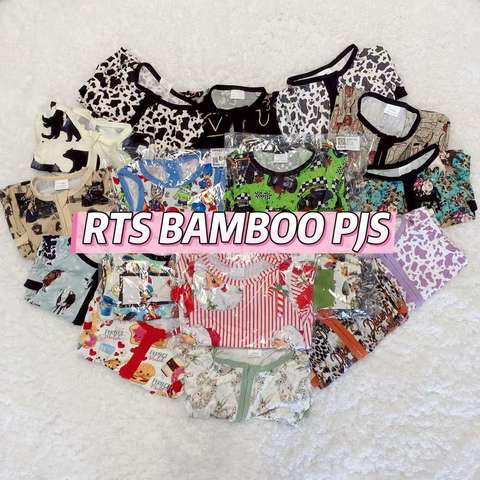
Guidelines for Buying Children's Clothes Wholesale: Ensuring Compliance and Quality
Purchasing children's clothes wholesale can be a lucrative venture, yet it requires a meticulous approach to compliance and quality assurance. The Children's Product Certificate (CPC) and Consumer Product Safety Improvement Act (CPSIA) set stringent regulations. Additionally, conducting Quality Control (QC) audits is crucial for maintaining product standards. This guide is designed to assist businesses in navigating these requirements effectively.

Understanding CPC and CPSIA Requirements
Before delving into wholesale purchases, it's essential for businesses to familiarize themselves with the legal landscape surrounding children’s clothing. The CPC and CPSIA are pivotal in guaranteeing that products meet safety standards. The CPC is a document that certifies that a product complies with all applicable children's product safety rules. The CPSIA, enacted in 2008, enhances the standards for lead content, phthalates, and toy safety.
Navigating CPC Certification
The CPC must accompany all children's products manufactured domestically or imported into the United States. This certificate signifies that products conform to stringent safety guidelines. To acquire it, manufacturers or importers must conduct necessary testing either in-house or through a certified third-party lab. Each CPC should include information about product identification, citation to each applicable regulation, details of the importer/manufacturer, and the date/location of testing.
Compliance with CPSIA
The CPSIA requires children's clothing to adhere to various safety standards, particularly concerning toxins such as lead and phthalates. As of the latest updates, CPSIA mandates that children's products must not contain more than 100 parts per million (ppm) of total lead content. Additionally, it restricts six types of phthalates below 0.1% concentration. Understanding and adhering to these conditions is vital for remaining compliant.
Implementing Quality Control Audits
Quality control is the backbone of producing and selling high-quality children’s clothing. Implementing QC audits involves systematic verification of product attributes against predefined criteria—these audits should cover fabric quality, stitching accuracy, color consistency, and adherence to sizing charts. QC processes typically include pre-production, in-line, and final inspections.
Aligning with Consumer Expectations
Beyond compliance and quality, aligning products with consumer expectations ensures repeat business and market reputation. Consumers prioritize both safety and design. Staying abreast of current trends while never compromising on quality helps in maintaining the competitive edge. Customer feedback and market research can provide invaluable insights into consumer preferences and demands.
The Process of Buying Children's Clothes Wholesale
Purchasing children's clothes in bulk necessitates strategic planning. Leveraging both domestic and international manufacturers can broaden choices and competitive pricing. However, ensuring these manufacturers meet CPC and CPSIA compliance is crucial. Here’s a step-by-step guide to facilitate your purchase:

Research and Identify Potential Suppliers
Begin by researching potential suppliers capable of meeting your quantity demands while adhering to necessary compliance. Online platforms, trade shows, and industry directories are excellent resources. Suppliers should be vetted based on their compliance history and quality control mechanisms.
Evaluate Supplier Compliance and Quality Assurance
Once potential suppliers are identified, evaluate their compliance with CPC and CPSIA. Verify their certifications and audit reports, and ensure they conduct regular QC inspections. Request documentation to confirm their adherence to quality and safety standards.
Define Terms and Establish Agreements
Engage in negotiations to define purchase agreements. Key considerations should include pricing, delivery timelines, minimum order quantities, and return policies. These agreements should also incorporate clauses that obligate suppliers to maintain compliance and quality consistency.
| Fabric Type | Organic Bamboo |
| Compliance | CPSIA Compliant |
| Customization | Private Label |
| Lead Time | 32 Days |
Sample Review and Approval
Before major purchases, request samples from suppliers. Conduct QC inspections on these samples to assess quality and compliance. Sample approval is a crucial step to prevent future risks associated with non-compliance or inferior product quality.
Place Orders and Monitor Delivery
Place orders based on sample approval and negotiated terms. Once orders are placed, monitor delivery schedules and conduct QC audits upon arrival. Implementing a robust receiving inspection process ensures that all goods meet the established standards before distribution.
Ensuring Long-term Success in Wholesale Purchases
Mastering the art of wholesale purchase involves more than compliance and QC; it demands continuous improvement and adaptation to market changes. Investing in supplier relationships, monitoring legal updates, and refining QC processes continuously can lead to sustained success.
Strengthen Supplier Relationships
Building strong, reliable partnerships with suppliers ensures smoother operations. Regular communication and feedback can foster improvements and mutual growth. Establishing long-term partnerships can often lead to favorable terms and better quality guarantees.
Stay Informed on Regulatory Updates
Regulatory landscapes frequently evolve. Keeping updated on CPSIA amendments and emerging safety concerns is crucial. Subscribing to industry newsletters and participating in webinars are effective strategies for maintaining compliance with all current laws.
Enhance Quality Control Processes
Regularly review and enhance QC processes. Employing technology-driven solutions such as AI-based quality inspections can improve efficiency and accuracy. Training staff on the importance of quality control helps in embedding QC as a core operational value.
Monitor Consumer Feedback
Continuous engagement with consumers through surveys and feedback loops provides insights into product performance and areas for improvement. Use this data to refine product offerings and ensure alignment with customer expectations.
By comprehensively understanding compliance requirements and executing effective quality control, businesses can thrive in the wholesale children’s clothing market. Success lies in proactive management, continuous improvement, and commitment to both legal and consumer standards.