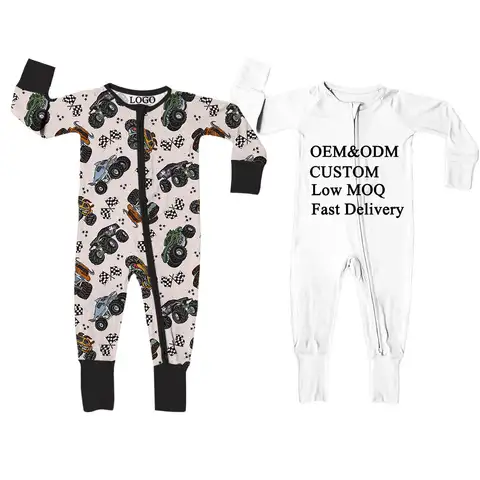
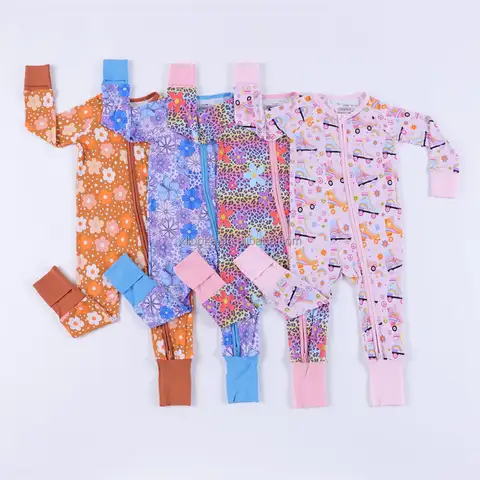
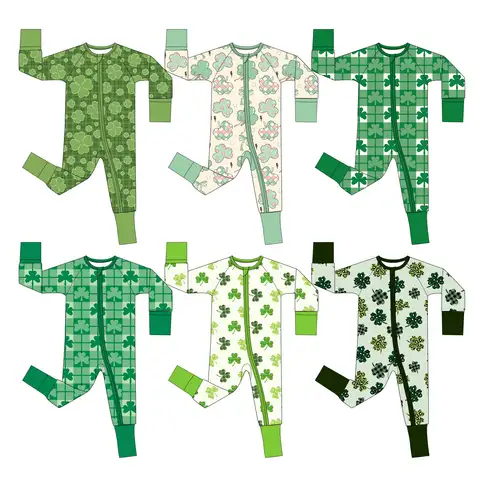
Oekotex 100 Custom Baby Clothes Cpsia Compliant Manufacturer
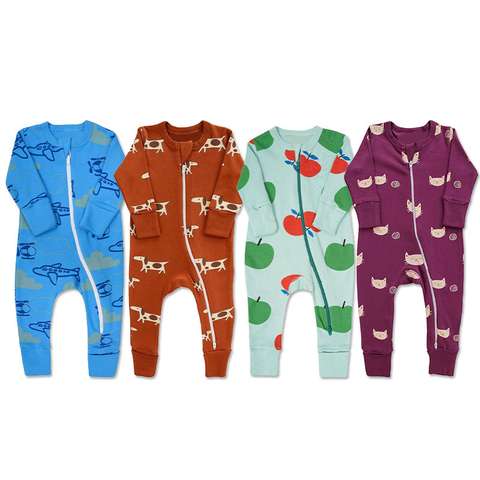
Ensuring Compliance and Quality in Custom Baby Clothes
Custom baby clothes have become increasingly popular, offering businesses a unique opportunity to stand out in a competitive market. However, when manufacturing and distributing these garments, it is crucial to ensure compliance with legal requirements and maintain high quality standards. The Consumer Product Safety Improvement Act (CPSIA) and Consumer Product Compliance (CPC) play pivotal roles in this process. This article delves into the key aspects of these regulations and the importance of quality control audits.
Understanding CPSIA and CPC Requirements for Baby Clothes
The CPSIA, enacted in 2008, addresses various safety standards critical for children's products, including baby clothes. Key requirements include the use of lead-free materials, phthalates limitations, and adherence to flammability standards. Additionally, the CPSIA mandates tracking labels to enhance transparency and recall effectiveness.
Consumer Product Compliance (CPC) involves ensuring products meet specific legal and safety standards before they are marketed. For baby clothes, CPC covers chemical testing, labeling, and safety assessments. Compliance ensures that products are safe for the delicate skin and health of infants.
Key CPSIA Guidelines for Baby Clothes
1. Lead Content Limits
Lead poses severe health risks, particularly to young children. The CPSIA sets stringent lead content limits in accessible components of baby clothes, typically less than 100 ppm. Manufacturers must conduct regular testing to ensure compliance with these restrictions.
2. Phthalates Limitations
Phthalates, often used to soften plastics, are restricted in children’s products under the CPSIA. Limiting their concentration to 0.1% can prevent potential hormonal disruptions, making testing crucial for components such as snaps and print designs.
3. Flammability Standards
Baby clothes must meet specific flammability standards to reduce fire hazards. CPSIA emphasizes using fire-resistant materials and conducting flammability tests to ensure garment safety in various conditions.
4. Tracking Labels
Tracking labels are vital under CPSIA. These labels must include essential information, such as the manufacturer’s name, location of production, and the date and batch number. This ensures traceability in case of recalls or other consumer safety concerns.
The Role of Quality Control Audits
Quality control (QC) audits are essential for verifying that custom baby clothes conform to necessary standards. These audits assess various parameters from material composition to manufacturing processes, ensuring compliance with CPSIA and CPC.
1. Material Testing
QC audits involve comprehensive material testing, focusing on the substances used in fabric and trims. This ensures that all components are non-toxic, hypoallergenic, and comply with CPSIA guidelines, safeguarding infants' health.
2. Manufacturing Process Examination
An audit scrutinizes the manufacturing processes to ensure they align with best practices for safety and quality. This includes evaluating safety protocols, machinery use, and employee training to minimize risks and enhance product reliability.
| Fabric Type | Pima Cotton |
| Compliance | GOTS Organic |
| Customization | Private Label |
| Lead Time | 34 Days |
3. Functional and Durability Assessments
QC audits assess the functional aspects of baby clothes, ensuring features like snaps, zippers, and seams are durable and secure. Durability tests verify that garments can withstand typical wear and tear without compromising safety.
Beyond Compliance: Enhancing Product Appeal
Compliance with CPSIA and CPC is not only a legal obligation but a foundation for building consumer trust. However, to excel in the custom baby clothes market, businesses must also focus on enhancing product appeal through quality and innovation.
1. Design Innovation
Creativity in design is essential. Incorporating unique patterns, personalization options, and sustainable fabric choices can attract eco-conscious consumers and differentiate your product in a crowded market.
2. Sustainability Practices
Consumers are increasingly prioritizing sustainability. Utilize eco-friendly materials and processes to reduce environmental impact. This practice aligns with market trends and reinforces brand responsibility.
3. Market Positioning and Branding
Robust branding can elevate a product’s market position. Highlighting compliance with safety standards, durability, and design innovation in marketing materials can strengthen brand image and consumer confidence.
In the custom baby clothes industry, ensuring compliance with CPSIA and CPC regulations is a non-negotiable aspect of production. These requirements uphold safety standards, protecting consumers while minimizing legal risks. Coupled with thorough quality control audits, businesses can ensure their products not only comply but excel in quality, safety, and consumer appeal.
By prioritizing innovation, sustainability, and robust quality assessments, businesses can thrive and maintain a competitive edge. For stakeholders in this industry, understanding and implementing these guidelines are crucial to success and growth, while ensuring the utmost safety for the youngest of customers.