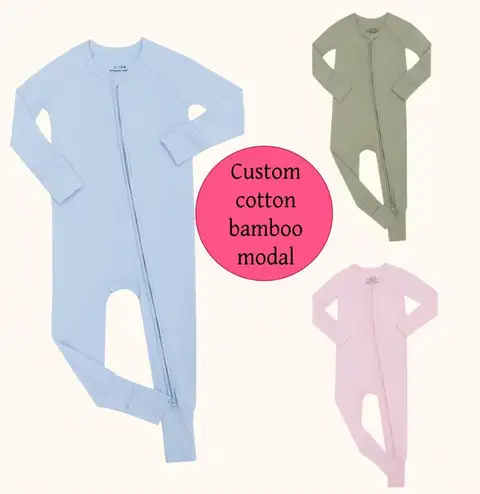
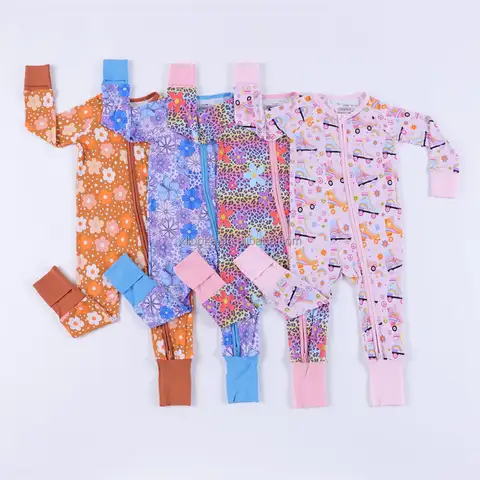
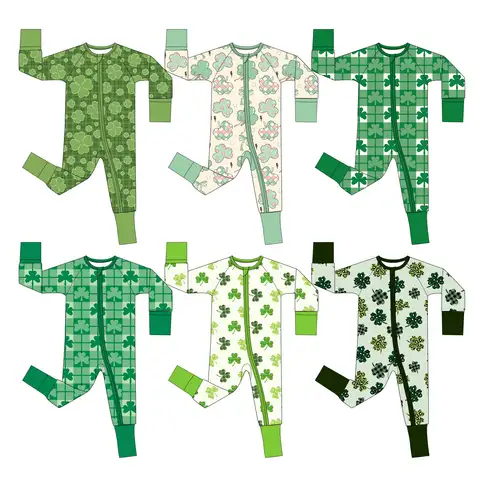
Oekotex 100 Bulk Onesies Custom Supplier
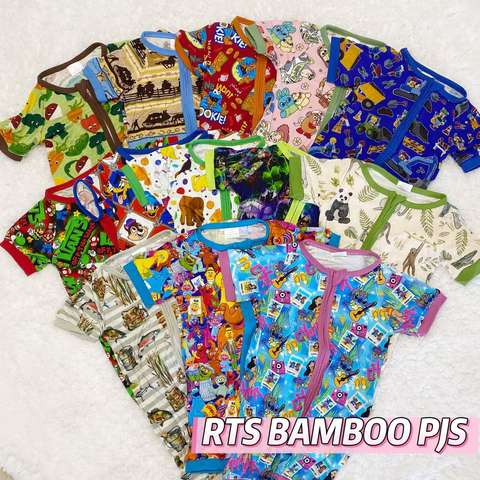
Understanding Bulk Onesies: CPC/CPSIA Compliance and Quality Control Audits
In the world of children's apparel, few products are as versatile and popular as onesies. Companies dealing in bulk onesies must navigate a complex landscape of regulatory requirements to ensure safety and maintain quality standards. The Consumer Product Safety Commission (CPSC) establishes regulations such as the Consumer Product Safety Improvement Act (CPSIA) and the Children's Product Certificate (CPC), which set the benchmark for product safety in the United States. Equally crucial is performing thorough Quality Control (QC) audits to ascertain product quality. This article delves into the CPC/CPSIA legal requirements for bulk onesies and the essential role of QC audits in maintaining compliance and quality.

Key Regulatory Requirements: CPC and CPSIA
CPC and CPSIA are cornerstone legislative frameworks governing the safety of children's products, including bulk onesies. These regulations focus on various aspects such as chemical composition, labeling, and safety standards, ensuring that products entering the U.S. market are safe for children.
Consumer Product Safety Improvement Act (CPSIA)
The CPSIA, enacted in 2008, mandates strict safety standards for children's products. Specifically for onesies, this includes limits on lead content and phthalates, requirements for product labeling, and adherence to toy safety standards. CPSIA compliance entails rigorous testing by CPSC-approved third-party laboratories. This testing confirms that products meet outlined safety standards before they reach consumers.
Additionally, CPSIA requires manufacturers and importers to ensure each shipment is accompanied by a Children’s Product Certificate (CPC), affirming compliance. Without adherence to these protocols, companies face significant penalties, including hefty fines or product recalls.
Children's Product Certificate (CPC)
A critical component of CPSIA compliance is the CPC, which verifies that a child's product meets all applicable safety standards. For bulk onesies, obtaining a CPC involves comprehensive product testing focused on flammability, mechanical hazards, and chemical composition. Each certificate must be based on testing performed by CPSC-accepted laboratories, capturing each style or SKU in the product line, thus ensuring every variant of onesies conforms to safety requirements.
Maintaining a CPC also involves detailed record-keeping for audits, which includes testing reports and production details. This rigorous documentation helps manufacturers remain agile, addressing potential compliance issues promptly.
Quality Control Audits: Ensuring Product Excellence
While regulatory compliance forms the backbone of legal requirements, it’s the Quality Control audits that perfect product excellence. QC audits offer a systematic approach to scrutinizing bulk onesies from production to final delivery. They ensure that all units maintain high standards in terms of material, workmanship, and safety.
The Role of QC Audits
QC audits are integral throughout the manufacturing process, typically divided into pre-production, during production, and post-production phases. Each phase focuses on specific quality aspects to guarantee uniformity and safety among bulk quantities of onesies.
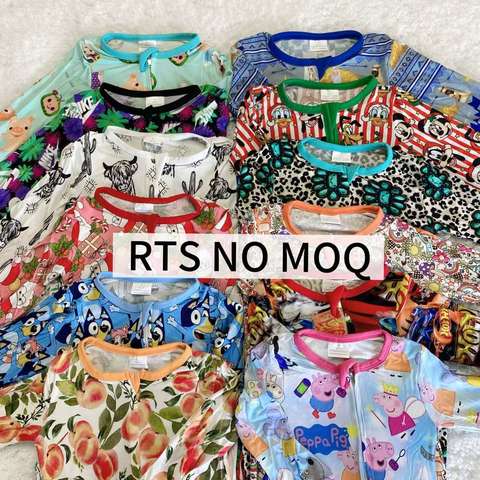
Pre-production audits cover raw material evaluation, ensuring fabrics and other components meet durability and safety benchmarks. During production, ongoing inspections check for consistency in stitching, trimming, and sizing. Finally, post-production audits assess product appearance and packaging standards, confirming that the final product matches customer expectations and meets all safety regulations.
Implementing Effective QC Protocols
Implementing robust QC protocols requires collaboration between manufacturers and third-party auditors. These audits should incorporate standard operating procedures aligned with industry best practices. By employing systematic sampling techniques, companies can identify defects early, reducing waste and correcting errors in real-time.
An effective QC process not only enhances product reliability but also fortifies brand reputation. This reliability empowers businesses to confidently assure clients about the safety and quality of their bulk onesies, fostering trust and encouraging repeat business.
Meeting Compliance Without Compromising Quality
Navigating CPC/CPSIA compliance while maintaining superior QC standards is crucial for businesses engaged in bulk onesies production. Combining these elements not only safeguards against regulatory penalties but enhances product value.
Ensuring Balance: Strategic Approaches
Companies should adopt strategic approaches that integrate both compliance checks and QC audits seamlessly. This balance ensures that every onesie not only passes legal requirements but also excels in craftsmanship and usability.
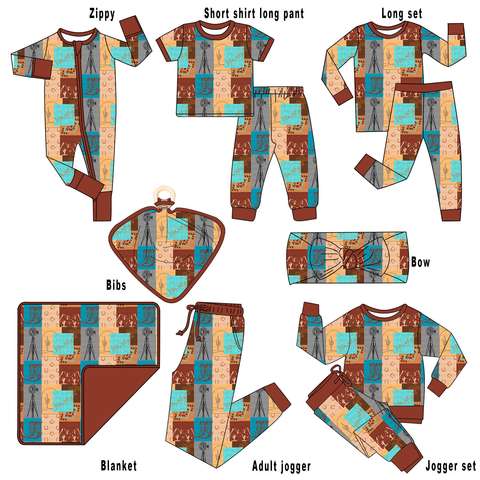
Proactive risk management is vital, involving regular reviews of regulatory updates and enhancement of audit protocols. Emphasizing solid internal training for manufacturing teams on compliance importance strengthens adherence organically, reducing dependency on audit interventions.
Leveraging Technology in Compliance and QC
Integrating technology into compliance management and QC processes is increasingly advantageous. Utilizing digital platforms for documentation, audit trail management, and compliance tracking enhances efficiency and accuracy. Automated systems can flag non-compliance, trigger alerts, and manage corrective actions promptly.
Modern solutions like AI-driven analytics can further predict potential compliance issues based on historical data, optimizing production workflows and minimizing human error. By leveraging technology, businesses can streamline compliance procedures, ensuring swift adaptation to evolving regulations.
, producing bulk onesies demands a dedicated commitment to regulatory compliance and quality assurance. Conducting thorough CPC/CPSIA checks alongside rigorous QC audits fosters a competitive edge, ensuring longevity and profitability in the children's apparel market. Businesses that execute these strategies effectively not only protect themselves legally but also deliver safe, high-quality products that meet the ever-growing expectations of consumers.
| Fabric Type | Organic Bamboo |
| Compliance | ASTM F963 |
| Customization | Bespoke |
| Lead Time | 15 Days |