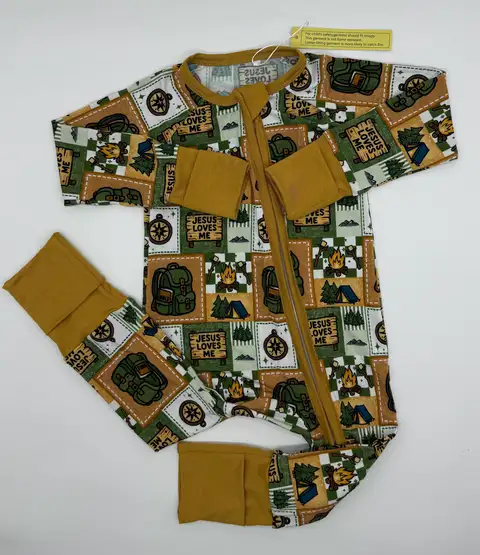
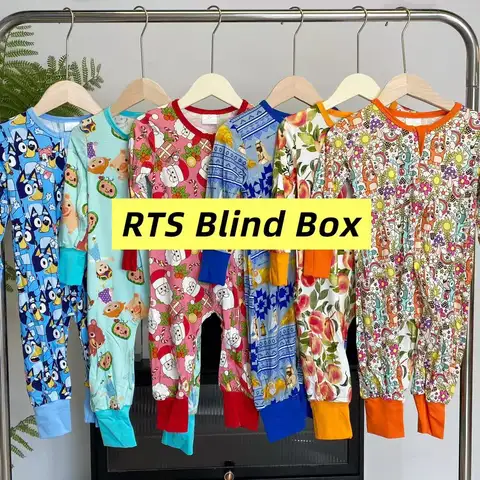
Oekotex 100 Bamboo Baby Clothing Manufacturer Odm Exporter
Understanding Bamboo Baby Clothing Manufacturing: A Legal and Quality Perspective
Bamboo baby clothing has become a popular choice among environmentally conscious consumers seeking sustainable and comfortable options for their little ones. As a manufacturer, stepping into this market not only promises substantial business opportunities but also demands adherence to stringent regulatory and quality standards. This article delves into the legal requirements stipulated by the Consumer Product Safety Commission (CPSC), the Consumer Product Safety Improvement Act (CPSIA), and the essentials of Quality Control (QC) audits for bamboo baby clothing manufacturers.
Legal Compliance: CPC and CPSIA Requirements
The CPSC, through the CPSIA, outlines stringent regulations to ensure consumer products' safety, specifically those designed for children. These guidelines are crucial for bamboo baby clothing manufacturers, as non-compliance can lead to severe penalties and product recalls.
One primary requirement under the CPSIA is the need for third-party testing and certification. Any bamboo baby clothing product must undergo testing by a CPSC-accepted laboratory to verify compliance with all applicable children's product safety rules. These tests focus on flammability, small parts hazards, and the potential presence of toxic substances, including lead and phthalates. Manufacturers should maintain detailed documentation showing that their products meet these regulatory standards.
The importance of labeling cannot be understated. Proper label requirements include tracking labels on children's products, which provide critical information for consumers and regulators alike. Bamboo baby clothing must be marked with details such as the manufacturer or private labeler name, production date and location, and batch/lot identification. This transparency ensures traceability, which is vital during inspections or in the event of recalls.
Quality Control (QC) Audits: Ensuring Product Excellence
While legal compliance with CPC and CPSIA is mandatory, maintaining high quality standards is equally important for brand reputation and customer satisfaction. QC audits play a pivotal role in achieving this objective. Here’s how manufacturers can implement robust QC practices:
A comprehensive QC audit process involves multiple stages, ranging from raw material inspection to final product assessment. For bamboo baby clothing, the process starts with verifying the quality of bamboo fibers, checking for uniformity, strength, and chemical treatment compliance. It's critical to ensure that the fibers adhere to eco-friendly practices, minimizing environmental impact.
The manufacturing phase requires continuous QC checks, focusing on aspects such as fabric weaving, dye applications, and stitching processes. These procedures should align with industry standards, assuring that the clothing is durable, safe, and free from defects.
Lastly, a thorough inspection of the finished products is crucial. QC audits at this stage involve checking dimensions, labeling accuracy, and appearance. Special attention must be paid to potential safety hazards like loose buttons or frayed edges, which could pose a risk to babies. Regular QC audits not only facilitate compliance but also nurture consumer trust, setting apart quality manufacturers in a competitive market.
Designing a Sustainable Manufacturing Process
Sustainability is at the core of bamboo baby clothing production. Bamboo, known for its rapid growth and minimal pesticide dependency, offers manufacturers a head start towards eco-friendly practices. However, ensuring the entire manufacturing process aligns with sustainability objectives requires strategic planning.
Manufacturers should source bamboo from certified organic farms, emphasizing fair trade and responsible growing practices. This reduces chemical runoff and supports community livelihoods. Additionally, minimizing water and energy consumption during production further enhances the sustainability quotient.
An investment in advanced machinery designed for energy efficiency can yield long-term benefits, both in terms of reduced utility costs and lower carbon footprints. Manufacturers may also employ closed-loop systems to recycle water and dyes, an initiative that underscores their commitment to sustainability.
The packaging and distribution processes should not be overlooked. Use of recycled materials for packaging, alongside optimizing logistics to reduce transportation emissions, rounds off a sustainable manufacturing approach that resonates with eco-conscious consumers.
Building Brand Integrity and Consumer Trust
The culmination of legal compliance, stringent QC audits, and sustainable practices results in not just excellent products, but also in building a brand that consumers trust. Establishing brand integrity involves transparency and open communication with the consumer base.
Manufacturers can leverage certifications and labels that signify compliance and sustainability, such as the OEKO-TEX and Global Organic Textile Standard (GOTS). Displaying such certifications on products and promotional material not only attracts environmentally conscious buyers but also reassures them of the product's safety for their children.
| Fabric Type | Pima Cotton |
| Compliance | OEKO-TEX 100 |
| Customization | Tailor-made |
| Lead Time | 28 Days |
Engaging with consumers through digital platforms and emphasizing the story behind the brand, including its commitment to quality and sustainability, fosters a loyal customer community. Regular updates on new products, improvements, and sustainable practices keep the brand in the public eye positively, driving both engagement and sales.

, entering the bamboo baby clothing market requires a balanced integration of legal compliance, quality control, sustainability, and brand development strategies. Manufacturers who prioritize these elements can effectively meet consumer expectations, mitigate risks, and build a reputable brand in a rapidly evolving industry.