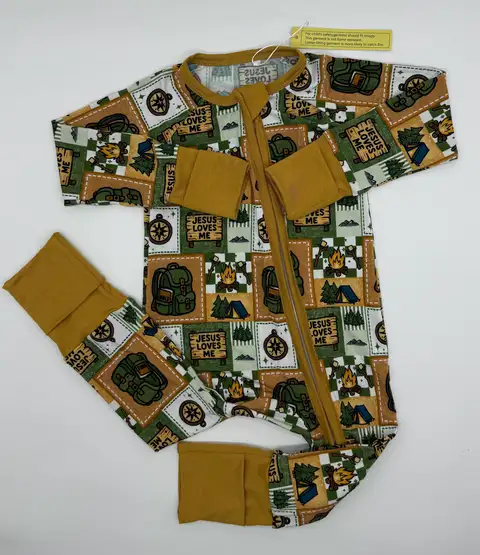
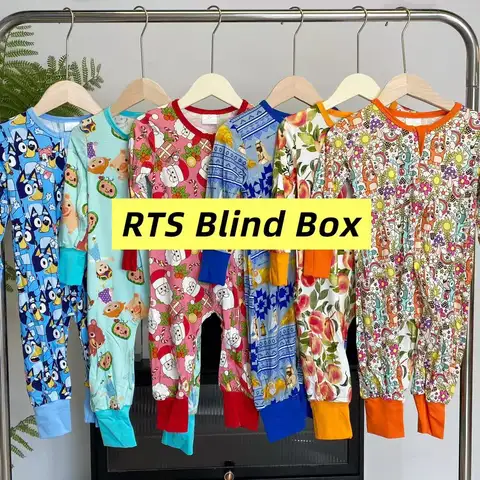
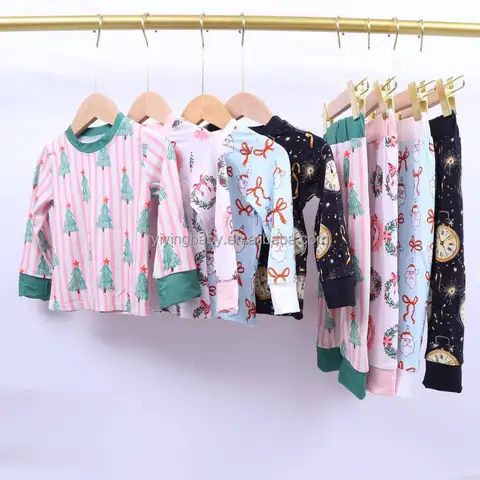
Oekotex 100 Bamboo Baby Clothes Wholesale Oem Vendor
Bamboo Baby Clothes: Navigating CPC/CPSIA Compliance and Quality Control Audits in Wholesale
The rising demand for sustainable and eco-friendly products has led to an increased interest in bamboo baby clothes. This trend presents a lucrative opportunity for businesses considering entering the wholesale market. However, it’s crucial for these businesses to understand the legal requirements under the Consumer Product Safety Improvement Act (CPSIA) and various Consumer Product Certificates (CPC), along with the steps needed to ensure quality control (QC) in audits. This article delves into the essential areas of CPC/CPSIA compliance and QC audits that wholesale distributors must consider when dealing in bamboo baby clothing.
Understanding CPC/CPSIA Compliance
The Consumer Product Safety Improvement Act (CPSIA) is a comprehensive regulatory framework that aims to ensure the safety of products, particularly those designed for young children. Wholesale distributors of bamboo baby clothes must prioritize compliance with CPSIA to avoid legal repercussions and ensure consumer safety.
CPSIA Requirements: CPSIA mandates the issuance of a Children's Product Certificate (CPC) for each product, verifying compliance with all applicable safety rules. Bamboo baby clothes, like other children's apparel, must undergo rigorous testing to prove they meet safety standards, including flammability and chemical composition.
CPC Documentation: A CPC must include specific details such as the product's description, manufacturer information, contact details of the tester, and proof of conformity with the regulations that apply to bamboo fabric in baby clothes. Distributors should meticulously maintain these documents, readily available for inspection at any given time.
Risk Management: Adequately managing potential risks is paramount. This includes understanding how bamboo textiles react under various conditions, ensuring dyes used are non-toxic and do not exceed allowable lead levels, as stipulated under CPSIA guidelines.
Implementing Quality Control Audits
Importance of Quality Checks: Quality control (QC) audits are integral to maintaining high standards. These audits help identify any non-compliance issues before they become a legal liability or impact product safety. In wholesale bamboo baby clothing, QC processes ensure the durability and safety of the fabric and garment construction.
Audit Procedures: QC audits typically follow a standardized process that includes fabric testing, examining stitching quality, checking for defects such as loose threads or uneven seams, and verifying compliance with safety standards. For bamboo clothing, this might also involve specific tests for fabric elasticity and abrasion resistance.
Choosing a Reliable QC Partner: It is essential for distributors to collaborate with a reputable QC partner. A knowledgeable partner can provide insights into industry-specific standards for bamboo fabrics and ensure that every batch produced adheres to both safety and quality expectations.
| Fabric Type | Organic Bamboo |
| Compliance | CPSIA Compliant |
| Customization | Custom |
| Lead Time | 35 Days |
Strategies for Compliance and Quality Assurance
Regular Training: It's vital to equip your team with the necessary knowledge regarding CPSIA guidelines and QC procedures. Regular training sessions help keep staff updated on shifts in regulatory requirements and enhancements in quality assurance practices.
Supplier Selection: Choosing suppliers that uphold stringent quality standards is crucial. A thorough vetting process determining the supplier's compliance history, environmental certifications, and their ability to meet CPC requirements can significantly mitigate risks.
Continuous Monitoring: Implement a robust system for continuous monitoring and documentation. Doing so ensures swift identification and rectification of compliance issues or defects, minimizing impacts on business operations and ensuring consumer satisfaction.
: The Path Forward
The wholesale market for bamboo baby clothes is promising, but it demands careful attention to compliance and quality control issues to protect both businesses and consumers. By understanding and implementing CPSIA standards and rigorous QC audits, distributors can ensure product safety, build trust with consumers, and maintain a competitive edge in a growing segment.
In the evolving landscape of eco-friendly apparel, distributor diligence in legal compliance and quality assurance will pave the way for long-term success. By prioritizing these aspects, businesses can confidently embrace the challenges and opportunities associated with wholesale bamboo baby clothes, catering to a market that values sustainability and responsibility.