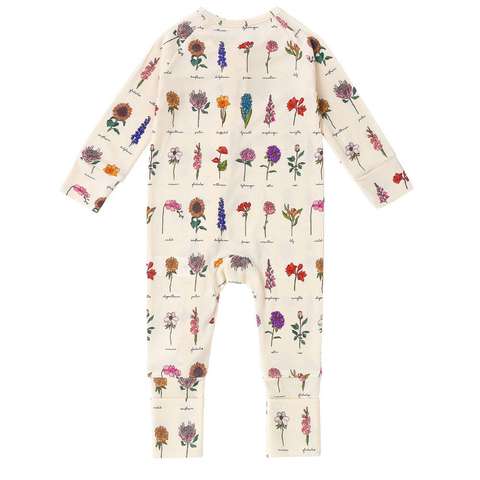
Oekotex 100 Baby Onesies In Bulk Odm Vendor
Understanding CPC/CPSIA Requirements for Bulk Baby Onesies
In the baby apparel industry, safety is paramount, and the Consumer Product Safety Improvement Act (CPSIA) alongside the required Children's Product Certificate (CPC) sets stringent regulations to ensure products are safe for infants and toddlers. For businesses dealing in bulk baby onesies, compliance with these laws is not just a legal requirement but also a critical component of quality assurance. This article delves into the CPSIA requirements, the importance of CPC, and how comprehensive quality control (QC) audits can safeguard both your business and the well-being of your customers.
CPSIA: A Foundation for Safe Consumer Products
The CPSIA is a pivotal legislation enacted to enforce safety standards specifically designed for children's products, including clothing items like baby onesies. It mandates several requirements:
- Lead Content: CPSIA restricts the lead content in children’s products to less than 100 parts per million (ppm). This is particularly crucial for baby onesies, where low lead levels ensure no health risk through skin contact or accidental ingestion.
- Phthalates: For plastic components, CPSIA limits the use of phthalates, chemicals which can potentially disrupt hormonal functions, ensuring materials are safe for infants’ sensitive skin.
- Flammability Standards: The act demands adherence to flammability standards. Fabrics should not catch fire easily, ensuring safety in case of accidental exposure to fire.
- Accurate Labeling: Each product must have proper labeling including the manufacturer information, batch number, date of manufacture, and compliance marks.
Adhering to these standards ensures your products can legally enter the marketplace without fear of recall, penalties, or loss of reputation.
The Importance of the Children's Product Certificate (CPC)
A crucial component of CPSIA compliance is the Children's Product Certificate. The CPC is a documented proof that the product adheres to necessary safety standards and is eligible for sale in the U.S. market. For businesses importing or manufacturing baby onesies in bulk, understanding the certification process is essential to avoid legal ramifications:
- Certification Process: Before the product hits the shelves, it should be tested by a CPSC-accepted laboratory. The CPC includes details like product description, specific CPSIA requirements, and test results verifying compliance.
- Documentation: Maintaining up-to-date documentation is key. The CPC should be readily available upon request during audits or inspections. It is advisable to integrate an organized digital documentation system for easier management.
- Importance for Importers: For importers, the CPC serves as the primary proof of conformity, helping navigate customs with ease and ensuring product registration with regulatory bodies.
Obtaining the CPC not only validates compliance but also builds trust with consumers, reiterating commitment to child safety.
Quality Control Audits in Bulk Production
Besides satisfying legal requirements, businesses must instill robust quality control (QC) processes for bulk production of baby onesies. QC audits are integral to maintaining product integrity, customer satisfaction, and brand reputation.
- QC in Production: Implementing standardized checks during the manufacturing phase can preemptively identify defects or deviations from safety standards. This involves overseeing fabric quality, stitching integrity, and proper label placements.
- Periodic Audits: Regular audits assess compliance with CPSIA standards and CPC prerequisites. Auditors check for consistency in material quality, adherence to safety protocols, and validation of testing procedures.
- Feedback Loop: Establishing a feedback loop where audit results influence production and compliance strategies can enhance product quality and reduce risks. This proactive approach aids in swift correction of any detected issues.
Consistent QC audits fortify your business, ensuring alignment with legal standards and reinforcing consumer trust.
: Building a Safe, Compliant Business
For businesses in the baby apparel sector, understanding and implementing CPC/CPSIA requirements is non-negotiable. Integrating these standards within your quality control framework not only averts potential legal challenges but also elevates your product’s market credibility. Bulk production of baby onesies demands meticulous attention to regulations and proactive quality assurance measures. By rigorously adhering to CPSIA guidelines, securing CPCs, and deploying comprehensive QC audits, businesses can ensure the delivery of safe, reliable, and high-quality products, fostering trust and satisfaction among parents and guardians purchasing these essential items for their little ones.
| Fabric Type | Pima Cotton |
| Compliance | GOTS Organic |
| Customization | Private Label |
| Lead Time | 33 Days |