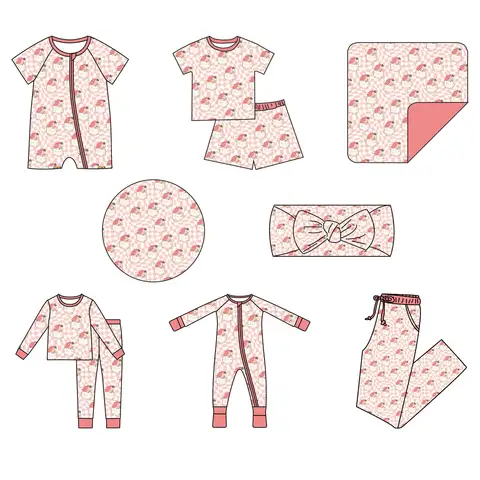
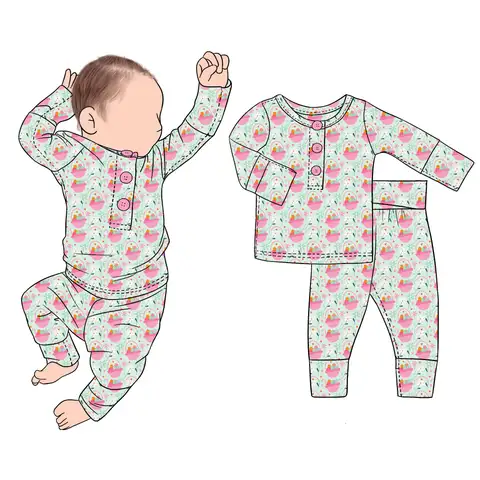
Oekotex 100 Baby Clothing Distributor Private Label Exporter
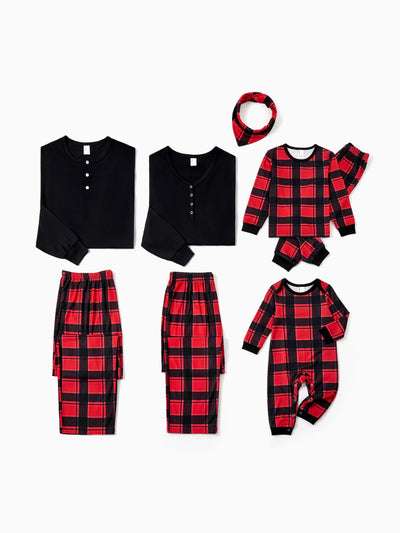
Ensuring Compliance and Quality in Baby Clothing Distribution: Navigating CPC and CPSIA Requirements
In the competitive industry of baby clothing distribution, compliance and quality control are paramount. Distributors must adhere to strict regulations under the Consumer Product Safety Commission (CPSC) and the Consumer Product Safety Improvement Act (CPSIA) to ensure products are safe for the most vulnerable consumers—infants. This article delves into the critical aspects of legal compliance and quality control (QC) audits, helping distributors ensure their operations are both legal and successful.
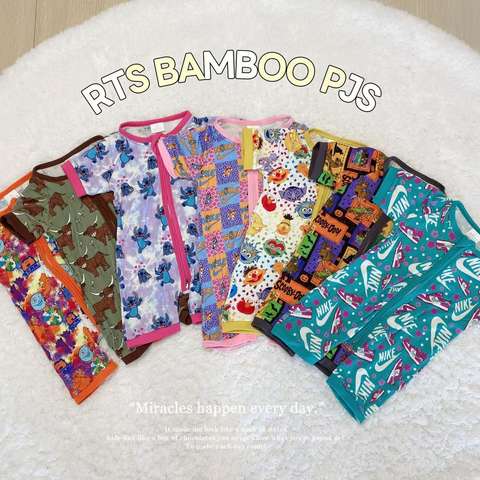
Understanding CPC and CPSIA: Key Legal Requirements
The Children's Product Certificate (CPC) is a documented guarantee that all children’s products meet applicable safety standards. For baby clothing, this means meeting stringent regulations to protect infants from potential hazards. The CPSIA, enacted in 2008, provides guidelines for testing products and maintaining records—a crucial aspect of legal compliance. It mandates testing for lead content, phthalates, and flammability—especially vital for clothing garments.
Distributors must issue a CPC based on test results from a CPSC-accepted laboratory. This document affirms that each product has undergone rigorous testing and meets all applicable safety regulations. Understanding these requirements is crucial for ensuring that distributed products do not pose health risks to infants.
Conducting QC Audits: From Factory to Warehouse
Quality Control audits are essential for verifying that all processes—from manufacturing to distribution—are up to industry standards. A QC audit will often cover raw material inspection, mid-production assessments, and post-production evaluations. These audits ensure no defective items reach consumers, which is especially crucial for baby clothing due to the potential risks involved.
Regular audits help identify non-conformities early in the production cycle. By implementing corrective actions promptly, distributors can mitigate risks linked to potential recalls or consumer complaints, maintaining both consumer trust and business integrity.
Implementing Sustainable Practices in Baby Clothing Production
Sustainability is becoming increasingly important in the apparel industry, and baby clothing distributors are no exception. Implementing eco-friendly practices not only helps comply with regulations but can also enhance a brand’s reputation. This includes using organic fabrics, optimizing energy efficiency in production, and minimizing waste.
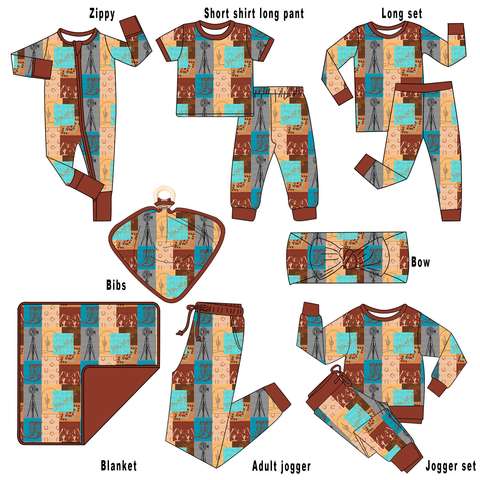
Choosing sustainable materials also has compliance benefits, reducing chemical exposures such as those from non-compliant dyes and finishes. By adopting sustainable practices, distributors can position themselves as leaders in both compliance and environmental responsibility.
Effective Training Programs for Compliance and QC
The importance of having an effective training program for staff involved in compliance and QC procedures cannot be overstated. Training programs should be designed to educate staff on CPC requirements, CPSIA standards, and QC auditing processes. Regular sessions ensure that employees are up-to-date with the latest regulations and are proficient in testing procedures.
| Fabric Type | Pima Cotton |
| Compliance | OEKO-TEX 100 |
| Customization | ODM |
| Lead Time | 31 Days |
Well-trained personnel can identify potential compliance issues before they become significant problems, ensuring that all baby clothing distributed meets every aspect of legal and quality requirements.
Leveraging Technology for Enhanced Compliance and QC
Technology plays a vital role in modern compliance and quality control processes. Advanced software solutions can streamline testing procedures, record-keeping, and audit processes. Many distributors leverage technologies such as RFID tracking and automated QC inspections to enhance efficiency and accuracy in their operations.
Utilizing technology allows distributors to maintain comprehensive records that are easily accessible, facilitating transparency and accountability in compliance efforts. By adopting digital solutions, distributors can enhance the accuracy and reliability of their QC audits and ensure a seamless compliance strategy.
, the baby clothing distribution industry demands a robust approach to compliance and quality control. Distributors must be proactive in understanding CPC and CPSIA requirements, conducting thorough QC audits, implementing sustainable practices, and leveraging technology to ensure their products are safe, compliant, and of high quality. By thoroughly embracing these elements, distributors can not only meet legal requirements but also build a resilient and reputable business in the baby clothing sector.