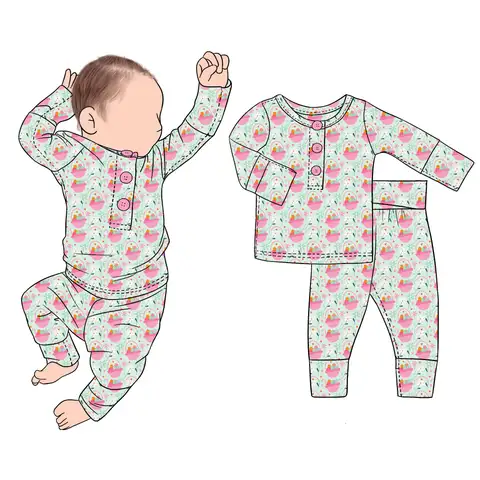
Oekotex 100 Baby Clothes In Bulk Gots Organic Oem
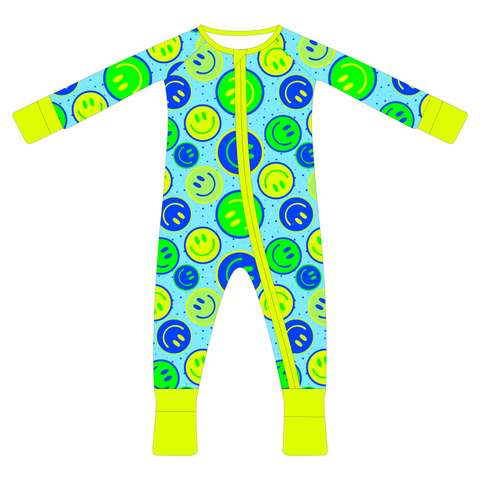
Ensuring Compliance and Quality in Bulk Baby Clothes Procurement
In the competitive and highly regulated market of baby apparel, ensuring safety, quality, and compliance is paramount. Bulk buying in this sector demands a keen understanding of essential legal requirements and sophisticated quality control processes. As a business eyes the procurement of baby clothes in bulk, focusing on the Consumer Product Safety Commission (CPSC) regulations, specifically the Consumer Product Safety Improvement Act (CPSIA), alongside stringent quality control audits is not just prudent but mandatory.

Understanding CPSIA Legal Requirements
The Consumer Product Safety Improvement Act, enacted in 2008, provides a comprehensive framework for ensuring that products designed for children, including clothing, meet stringent safety standards. These guidelines protect young consumers from faulty products and hazardous materials. When procuring baby clothes in bulk, understanding these regulations helps avoid legal complications and ensures brand reputation remains intact.
Key components under CPSIA include:
- Lead Content Limits: For garments designed for children aged 12 and below, CPSIA mandates that total lead content must not exceed 100 parts per million (ppm). Any textiles or elements such as snaps or buttons must be tested to ensure compliance.
- Phthalates Compliance: Although primarily a concern for plastic materials, phthalates can also be present in printed designs or coatings on fabrics. CPSIA limits the concentration of six specified phthalates.
- Tracking Labels: Every item must have a permanent tracking label, which includes crucial information about the manufacturer, production date, and batch number, facilitating effective product recalls if necessary.
- Certificates of Compliance: Importers and manufacturers are required to provide Certificates of Compliance, confirming that each batch of products adheres to applicable standards.
Understanding these regulations not only ensures legal compliance but also fosters trust with consumers, establishing a business's credibility in the crowded marketplace.
Implementing Robust Quality Control Audits
In tandem with legal compliance, maintaining exceptional quality standards through rigorous audits is critical when purchasing baby clothes in bulk. Quality control (QC) audits allow businesses to systematically assess the standards of garments before they reach the consumer, ensuring consistency, safety, and reliability.
Key elements of effective QC audits include:
- Product Inspection: Conduct comprehensive product inspections at various stages – from pre-production to post-production. These inspections should focus on material quality, stitch accuracy, color consistency, and garment finish.
- Testing and Lab Analysis: Subject sample garments to laboratory tests to evaluate physical and chemical properties, ensuring they adhere to safety norms such as flammability standards and resistance to wear and tear.
- Supplier Evaluation: Regularly audit suppliers to ensure their production processes comply with specified safety guidelines. This includes checking for certifications, reviewing past compliance records, and onsite evaluations.
- Document Control: Maintain detailed records of inspections and tests. This documentation provides a transparent paper trail, crucial for CPSIA compliance, and facilitates improved traceability.
By implementing these rigorous audit processes, businesses can not only ensure compliance but also significantly reduce the likelihood of product recalls, safeguarding brand reputation and consumer trust.
Navigating Bulk Procurement Challenges
Procurement of baby clothes in bulk presents unique challenges, mainly concerning maintaining uniform quality and compliance across large quantities. Dealing with these challenges requires strategic planning and diligent execution.
Some common challenges include:
- Quality Variation: With large-scale production, maintaining consistent quality across all items can be challenging. Employing detailed acceptance criteria and consistent QC audits at different production stages can mitigate this risk.
- Supplier Management: Sourcing from multiple suppliers can create discrepancies in compliance. Building solid relationships and setting detailed contractual obligations regarding safety and quality standards can help streamline this process.
- Complex Logistics: Logistics can be complex when dealing with bulk shipments. Ensuring a streamlined shipping process and effective inventory management are crucial to avoid delays and reduce handling costs.
Addressing these challenges systematically helps businesses optimize their procurement strategies while adhering to safety standards and maximizing operational efficiency.
Incorporating Best Practices for Bulk Buying
To thrive in bulk buying of baby clothes, businesses must adhere to several best practices that ensure both profitability and compliance.
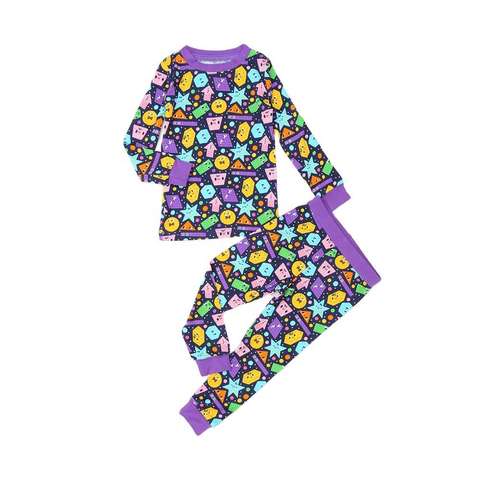
| Fabric Type | Organic Bamboo |
| Compliance | CPC Certified |
| Customization | Bespoke |
| Lead Time | 36 Days |
- Supplier Collaboration: Treat suppliers as strategic partners. Regular communication and collaboration foster a proactive approach to compliance and quality assurance.
- Training and Education: Continuous training for staff involved in procurement and audit processes ensures they are up-to-date with legal requirements and quality standards.
- Technology Utilization: Use data management systems and technology platforms to track compliance and quality metrics. These tools assist in efficient documentation, audit tracking, and supplier performance evaluations.
- Proactive Audits: Rather than reactive measures in response to compliance lapses, implement proactive audits and reviews throughout the supply chain.
By adopting these best practices, businesses can effectively navigate the complexities of bulk procurement while securing a competitive edge in the baby apparel market.
, the procurement of baby clothes in bulk requires a balanced focus on CPSIA compliance, rigorous quality control audits, strategic supplier management, and proactive operational strategies. By adhering to legal requirements and implementing thorough quality checks, businesses can ensure the safety, quality, and reputation of their products in a fiercely competitive marketplace.