Oekotex 100 Baby Clothes China Cpc Certified Oem

The Intersection of Safety and Quality in Baby Clothes Manufacturing: A Chinese Perspective
In the world of baby clothes manufacturing, China stands prominently as a key player, offering a robust combination of innovation, scale, and affordability. However, as this industry continues to expand, the spotlight increasingly focuses on adherence to legal requirements, particularly the Consumer Product Safety Improvement Act (CPSIA) and the Consumer Product Compliance (CPC) standards. For businesses engaged in importing baby clothes from China, understanding these regulations and implementing rigorous Quality Control (QC) audits becomes indispensable.

Understanding CPSIA and CPC Requirements
Enacted in 2008, the CPSIA represents a critical legislative framework designed to enhance product safety, particularly for children’s items. This regulation mandates stringent requirements for lead limits, the prohibition of specific phthalates, and rigorous testing protocols for children's products. Baby clothes, being direct contact garments, require meticulous compliance with CPSIA standards to ensure they are safe for young consumers.
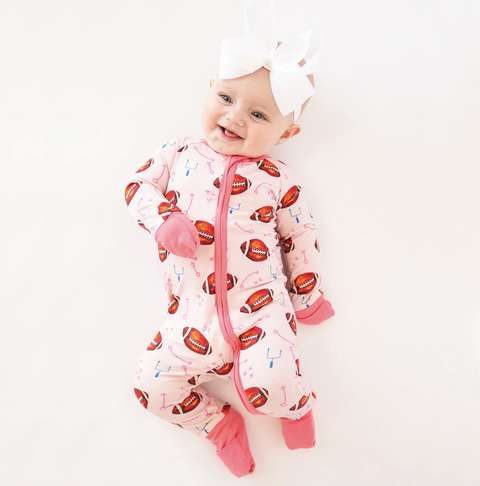
The CPC, or Children's Product Certificate, complements CPSIA by requiring manufacturers and importers to certify that each children's product complies with all applicable children's product safety rules. This certification is not merely a document; it encapsulates the declaration that all relevant tests have been conducted and passed as per the stipulated standards.
Challenges in Compliance: The Manufacturing Landscape in China
Chinese manufacturers have adapted to international standards over the years, but the diversity and size of the manufacturing base present inherent challenges in compliance. Language barriers, differing interpretations of regulations, and the variability in manufacturing practices can affect adherence to CPSIA and CPC requirements. This makes it essential for importers to conduct thorough due diligence and ensure that their manufacturing partners are fully aware of and capable of meeting these standards.
An effective strategy involves ensuring the factories are equipped with knowledgeable personnel proficient in both CPSIA regulations and the specific requirements related to baby clothes safety. Regular training and workshops can help solidify understanding and operational compliance.
Quality Control Audits: A Vital Tool
Quality Control (QC) audits act as a crucial safeguard, bridging the gap between the legal requirements and actual product safety assurance. These audits are not just about fulfilling a procedural necessity; they are about instilling trust and reliability in the product. With QC audits, businesses can verify that production processes are consistently aligned with legal standards and quality expectations.
The auditing process involves inspecting each stage of the production line, from sourcing materials to the final packaged product. This inspection ensures that there are no deviations from the stipulated safety standards. Key focus areas include:
- Material Safety: Inspecting fabric and the presence of harmful chemicals or dyes.
- Design Scrutiny: Evaluating small attachments and fasteners for choking hazards.
- Production Consistency: Ensuring uniformity and adherence to design specifications across batches.
For companies importing baby clothes from China, investing in thorough QC audits conducted by experienced inspectors could prevent costly recalls and damage to brand reputation. , inspectors familiar with both CPSIA standards and the specifics of Chinese production practices can provide invaluable insights.
Building a Collaborative Approach
Developing productive, long-term relationships with Chinese manufacturers is crucial. This collaborative approach demands transparent communication lines and mutual respect for compliance norms. By fostering a culture of quality and compliance, both parties can work towards common goals: ensuring safety and enhancing product quality.
Sharing best practices, openly discussing compliance challenges, and jointly developing innovative solutions can lead to improved efficiencies and standards in production lines. Formulating clear contracts that specify compliance expectations and penalties for non-compliance will help establish a legally binding framework conducive to both local and international business norms.
: Navigating Safety and Quality with Expertise
In the dynamic landscape of baby clothes manufacturing in China, businesses must navigate complex regulations like CPSIA and CPC while ensuring high-quality products. Engaging with reliable and knowledgeable partners, conducting thorough QC audits, and fostering a cooperative manufacturing environment can significantly mitigate risks and enhance product safety.
| Fabric Type | Pima Cotton |
| Compliance | CPC Certified |
| Customization | Tailor-made |
| Lead Time | 18 Days |
Ultimately, the key lies in combining technical acumen with a strategic approach to both compliance and quality assurance. Doing so not only safeguards young consumers but also builds a resilient business capable of thriving in the competitive global market.