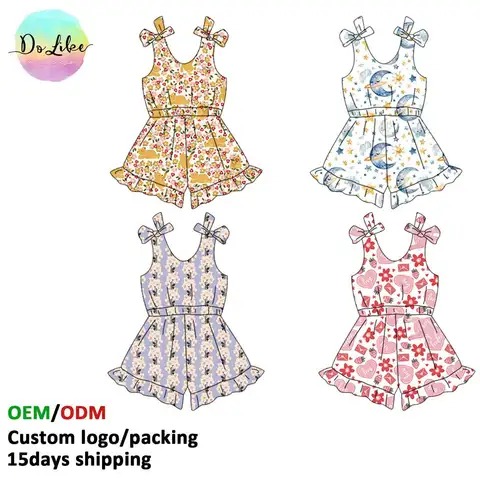
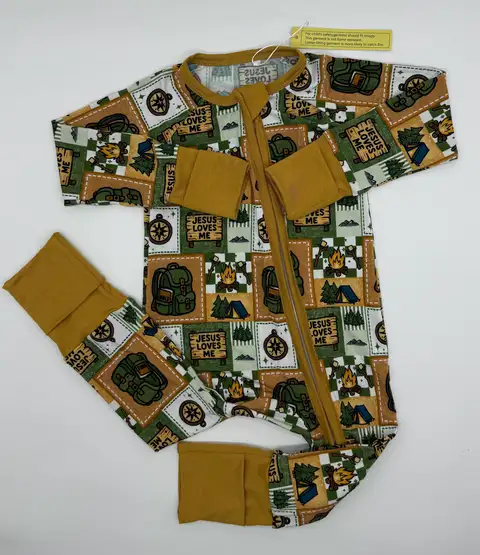
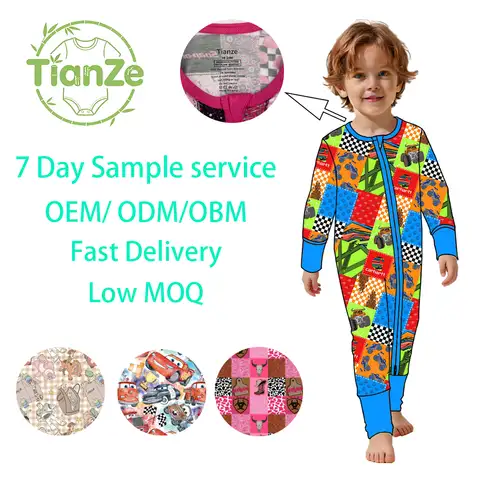
Oekotex 100 Baby Boutique Clothes Wholesale Odm Supplier

Ensuring Compliance and Quality in Baby Boutique Clothes Wholesale
When engaging in the wholesale of baby boutique clothes, businesses must prioritize compliance with the Consumer Product Safety Commission (CPSC) and the Consumer Product Safety Improvement Act (CPSIA) regulations. Additionally, quality control (QC) audits play a critical role in ensuring products meet both safety standards and consumer expectations. This article delves into the technical intricacies of CPC/CPSIA requirements and the importance of QC audits, offering essential insights for wholesalers in the baby clothing industry.

The Importance of CPSC and CPSIA Compliance
The CPSC, alongside CPSIA, regulates the safety standards for various consumer products, including baby clothing. Compliance ensures not only the safety of the products but also shields businesses from legal liabilities. For wholesalers of baby boutique clothes, understanding these regulations is crucial as non-compliance can result in significant penalties, recalls, and damaged reputations.
CPSIA Requirements for Baby Boutique Clothing
The CPSIA mandates several specific safety requirements for baby clothing, such as:
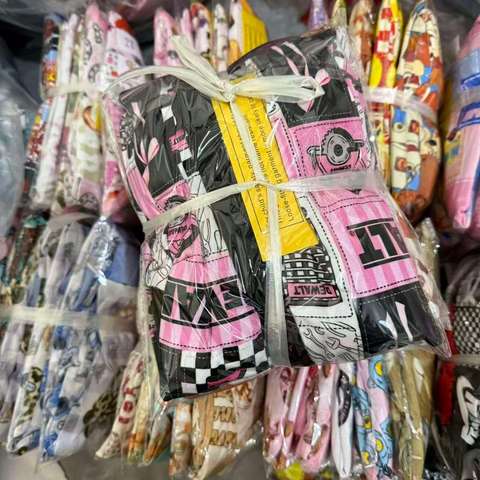
- Lead Content Limits: Fabrics, buttons, zippers, and decorative elements must contain lead within the established limits, with testing confirming compliance.
- Phthalates Restriction: Baby clothing must be free from phthalates, chemicals commonly used in plastics that pose health risks. This requires stringent materials testing before production.
- Flammability Standards: Baby clothing must meet flammability standards, requiring testing to ensure fabrics do not ignite easily when exposed to heat.
Understanding these requirements necessitates thorough research and often coordination with testing laboratories to ensure compliance before products reach the market.
Labeling and Documentation Requirements
Compliance extends beyond the chemical makeup of fabrics; labeling and documentation are also crucial. CPSIA mandates that manufacturers provide tracking labels that detail the production batch, date, and place of manufacture. These labels assist in monitoring compliance and enable efficient recalls if necessary.

Packaging and labeling should also include clear instructions on use and care, ensuring consumers have the information needed to properly handle the clothing and maintain its safety standards.
The Role of Quality Control Audits
While compliance with legal requirements is paramount, so is ensuring the quality and durability of baby boutique clothes. QC audits help verify that products meet expected standards of quality, performance, and safety. These audits encompass various processes:
- Material Inspection: Ensuring that fabrics and components are inspected for quality, including checking for defects, proper color matching, and texture consistency.
- Sewing and Stitching Quality: Evaluating sewing techniques for durability and symmetry to avoid quality issues that could compromise the clothing's safety and longevity.
- Finish Treatment Testing: Ensuring finishes, such as water-resistance or anti-static treatments, perform as required and do not alter fabric safety.
Regular QC audits help wholesalers maintain brand reputation by delivering consistently high-quality products that consumers trust.
Steps for Conducting Effective QC Audits
Conducting QC audits effectively involves strategizing and implementing standard procedures that align with compliance and quality goals:
- Developing Audit Checklists: Create comprehensive checklists based on regulatory requirements, product specifications, and customer expectations to ensure no detail is overlooked during QC evaluations.
- Training the QC Team: Ensure that the QC team is well-trained in identifying compliance issues and quality defects, equipping them with the skills and knowledge necessary for accurate assessments.
- Implementing Regular Audits: Perform audits at various stages of production, including initial material inspection, during manufacturing, and post-production, ensuring issues are identified and rectified early.
- Documenting Findings: Maintain thorough records of audit findings, including non-compliance reports, corrective actions taken, and improvement measures, providing a detailed picture of the QC landscape.
- Engaging Third-party Auditors: Consider hiring third-party auditors to supplement internal audits, offering unbiased assessments and enhancing credibility with stakeholders.
Effective QC audits ensure that baby boutique clothes adhere to both safety regulations and quality expectations, preventing costly errors or reputational damage.
Maintaining CPSC/CPSIA compliance and conducting thorough QC audits are integral to the success of baby boutique clothing wholesalers. Not only do these processes ensure products are safe and high-quality, but they also protect businesses from legal and financial repercussions. By understanding regulatory requirements, implementing meticulous QC procedures, and fostering a culture of compliance, wholesalers can thrive sustainably in the competitive baby clothing market.
| Fabric Type | Organic Bamboo |
| Compliance | ASTM F963 |
| Customization | Bespoke |
| Lead Time | 40 Days |