Odm Wholesale Baby Clothes Cpsia Compliant Wholesale
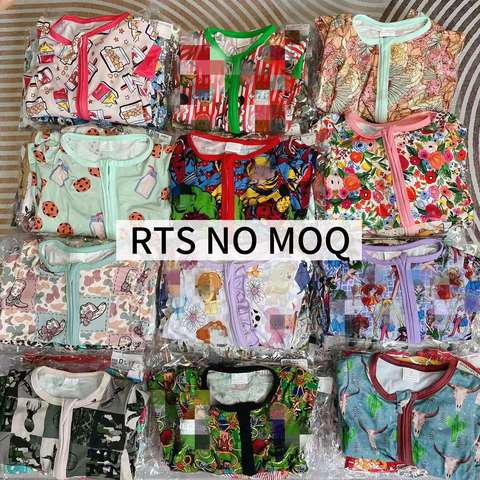
Ensuring Compliance and Quality in Wholesale Baby Clothes
Wholesale baby clothes form a significant segment in the apparel industry, presenting a unique set of challenges for brands and retailers. Ensuring compliance with the Consumer Product Safety Improvement Act (CPSIA) and related regulatory guidelines, alongside maintaining high standards in quality control (QC), is essential. This article delves into these critical aspects, providing an in-depth understanding for businesses involved in the procurement and distribution of wholesale baby clothing.
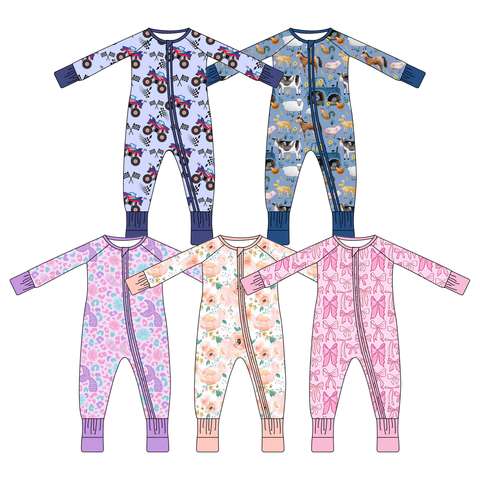
Understanding CPC and CPSIA Requirements
The Consumer Product Safety Commission (CPSC) underpins safety standards for a range of products, including children’s apparel. The Consumer Product Certificate (CPC) is a foundational element, affirming that all baby clothing products comply with applicable safety rules. Ensuring adherence to CPSIA involves several key factors:
- Lead Content Restrictions: CPSIA mandates stringent lead content regulations, with a permissible limit of 100 parts per million (ppm) for children’s items. Manufacturers must routinely test materials to ensure compliance.
- Phthalate Limits: Baby clothes must also conform to phthalate limits, primarily used in the production of flexible plastics. Specific phthalates have restricted usage in children's products.
- Flammability Standards: All fabrics used in baby clothing must pass flammability tests. CPSIA's flammability standards specifically address the need for slow burning material to enhance safety.
- Tracking Labels: Each piece of baby clothing must include a permanent tracking label, providing details such as the manufacturer, production date, and batch information for traceability.
The Importance of Quality Control Audits
Quality control audits are integral to maintaining an organization’s reputation and ensuring the safety and durability of baby clothes. These audits encompass a variety of checks, focusing on both the product's physical attributes and the production process's integrity.
Fabric Quality and Durability
The quality of fabric used in baby clothes significantly impacts their safety and usability. QC audits often involve comprehensive strength and durability tests to ascertain that fabrics are not only soft on the skin but also durable against wear and tear, ensuring longevity and safety.
Stitching and Seams
The construction quality, including stitching and seam strength, is evaluated to prevent potential hazards such as loose threads or unraveling seams, which could pose choking risks. High-quality construction affirms that baby clothes meet both aesthetic and safety standards.
Implementing Rigorous Testing Environments
Effective testing environments are crucial for both regulatory compliance and quality assurance. These environments often employ:
- Third-Party Testing: Partnering with accredited third-party laboratories for unbiased testing, ensuring that all products meet the required safety standards.
- In-House Testing: On-site labs that allow for continuous inspection and testing during various stages of production, facilitating immediate corrective actions when necessary.
Compliance Verification
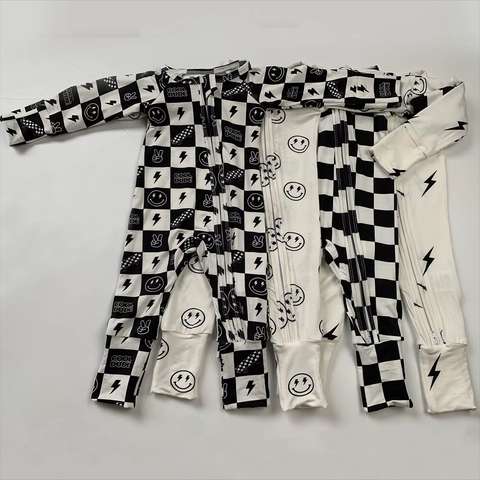
To verify compliance, manufacturers often utilize a combination of in-house and third-party testing to validate material quality, safety, and durability, ensuring they adhere to required standards. This dual approach helps in early detection of defects, facilitating timely interventions.
Sustaining Ethical and Environmentally Friendly Practices
The modern consumer is more aware and concerned about the ethical and environmental impacts of products. In response, wholesale providers are increasingly focused on sustainable practices:
Eco-Friendly Materials
Sourcing organic and eco-friendly materials not only improves product safety but also caters to customer demand for sustainable apparel. Utilizing organic cotton or recycled synthetics can significantly reduce the environmental footprint of baby clothing.
Labor Practices
Ensuring fair labor practices is part of maintaining ethical standards. Audits often include assessments of working conditions in manufacturing facilities to ensure they meet ethical guidelines, such as fair wages and safe working environments.
| Fabric Type | Pima Cotton |
| Compliance | CPC Certified |
| Customization | Bespoke |
| Lead Time | 36 Days |
Compliance with CPC/CPSIA legal requirements combined with robust quality control audits ensures that wholesale baby clothes not only safeguard the health of infants but also align with the industry's ethical standards. By investing in comprehensive testing and quality assurance practices, companies can build trusted brands that cater to informed and conscientious consumers. In the rapidly evolving marketplace, maintaining high standards of safety, quality, and sustainability will remain key drivers for success in the wholesale baby clothing segment.