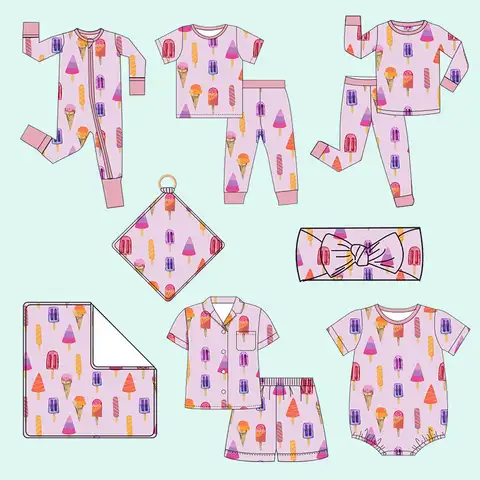
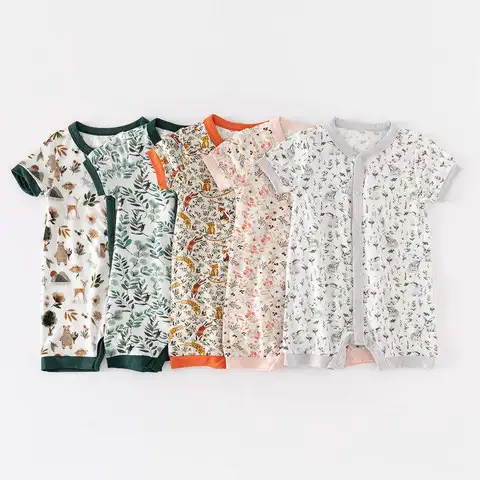
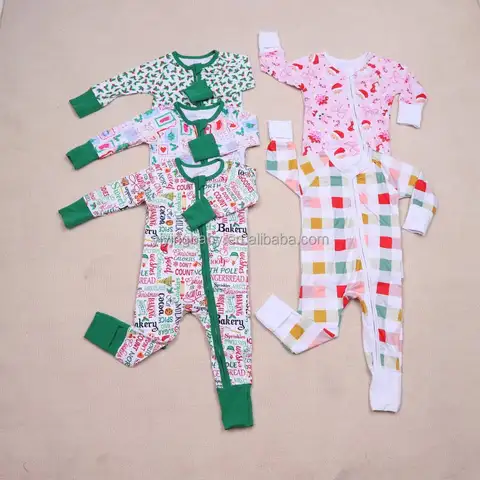
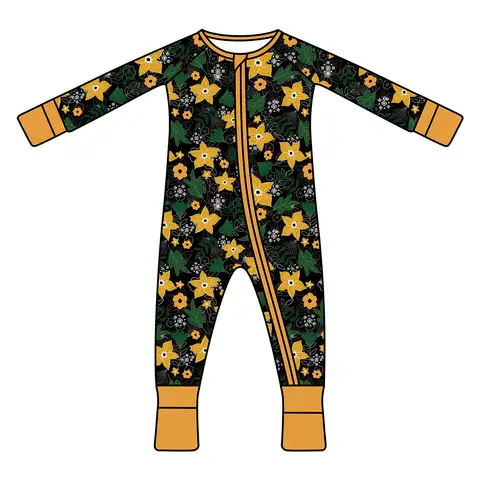
Odm Custom Onesie Astm F963 Oem
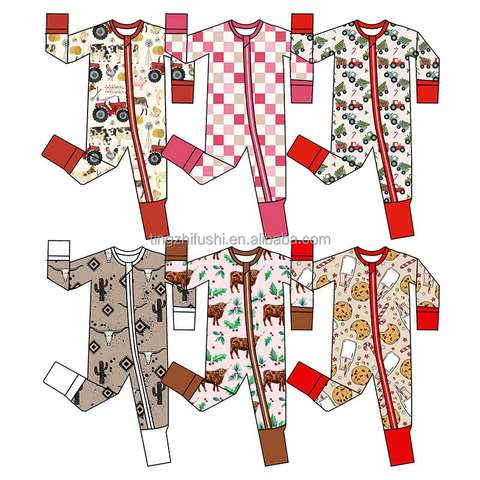
Ensuring Compliance and Quality Control for Custom Onesies: A Guide for Manufacturers
In the realm of children's apparel, custom onesies have become a popular product for businesses looking to diversify their offerings. While creativity and uniqueness in design are crucial, adhering to the regulatory framework set by the Consumer Product Safety Commission (CPSC) and the Consumer Product Safety Improvement Act (CPSIA) is equally important. This article will delve into the legal requirements and quality control audits necessary to ensure your custom onesies not only stand out in the marketplace but also comply with stringent safety standards.
Understanding CPC and CPSIA Regulations
Before manufacturing custom onesies, it's essential to have a comprehensive understanding of the CPSC and CPSIA. These regulations are designed to ensure that children's products, like onesies, are safe for use. They encompass several areas including chemical composition, flammability, and choking hazards.
Key requirements under CPSIA include:
- Lead and Phthalate Limits: CPSIA sets specific limits on lead and phthalates in children's clothing. For instance, children’s products must contain less than 100 ppm (parts per million) of lead and 1000 ppm of phthalates.
- Flammability Standards: The fabric used in onesies must adhere to flammability standards to reduce fire risks. Under 16 CFR Part 1610, textiles must pass a test that evaluates the rate of flame spread.
- Tracking Labels: CPSIA mandates tracking labels on all children’s products. These labels should include information such as the manufacturer, date, and location of production.
Conducting Quality Control Audits
Aside from regulatory compliance, quality control is pivotal in ensuring your custom onesies meet customer expectations. QC audits are systematic and rigorous procedures that assess various aspects of the product development process, from material selection to the final manufacturing process.
Important QC audit checkpoints include:
- Material Quality and Durability: Inspect the fabric for durability, color consistency, and softness. Ensure that the materials used can withstand repeated washing and wearing without degradation.
- Seam Strength and Stitching: Evaluate seam strength and scrutinize stitching quality. Poor stitching can result in unraveling, which compromises the garment's integrity and appearance.
- Functional Testing: Perform tests to check for functional aspects such as fastenings, closures, and stretchability. These components should operate smoothly without presenting hazards or discomfort.
Mitigating Risks Through Comprehensive Planning
To minimize potential risks and ensure compliance with CPC/CPSIA standards, manufacturers should adopt a proactive approach. This involves integrating compliance checks into the design phase and engaging specialized third-party testing laboratories to validate the safety and quality of the onesies.
Product Development Strategy:
- Design Review: At the design stage, assess all components including buttons, zippers, and appliqués for choking hazards. Designs should prioritize safety and practical functionality for infants.
- Material Selection: Prioritize sourcing materials from suppliers who provide documentation certifying compliance with lead and phthalate limits. This will simplify the audit process and reduce the risk of non-compliance.
- Supplier Collaboration: Work closely with suppliers to ensure transparency in material sourcing and to receive adequate documentation for regulatory compliance.
Engaging Third-Party Testing Laboratories:
Utilize accredited third-party labs to conduct thorough testing of your custom onesies. These labs offer unbiased assessments and provide a Certificate of Compliance (COC), attesting that the product meets all applicable safety standards.
Consider the following steps for effective third-party testing:
| Fabric Type | Organic Bamboo |
| Compliance | GOTS Organic |
| Customization | ODM |
| Lead Time | 39 Days |
- Pre-Production Samples: Send samples for testing before full-scale production to identify any potential compliance issues early in the process.
- Regular Compliance Testing: Schedule periodic compliance testing to ensure ongoing adherence to regulations, especially when making changes to manufacturing processes or materials.
In summary, producing custom onesies that meet CPC/CPSIA standards involves a detailed understanding of legal requirements and a commitment to thorough quality control audits. By integrating compliance into the design and production processes and leveraging third-party testing, manufacturers can ensure their products are safe, reliable, and ready for the competitive marketplace.
By prioritizing compliance and quality at every stage, businesses not only protect consumer safety but also enhance their reputation, opening doors to new opportunities in the children's apparel market.