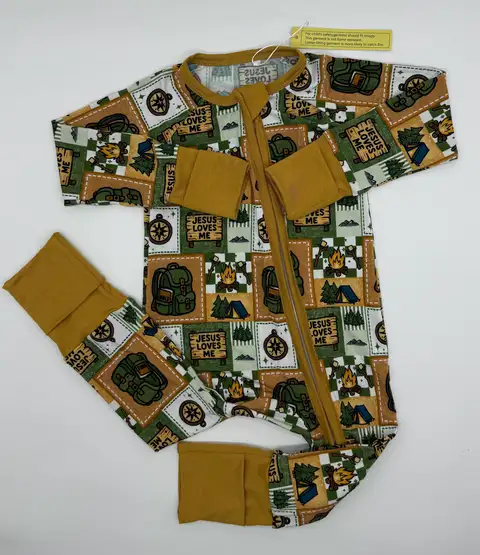
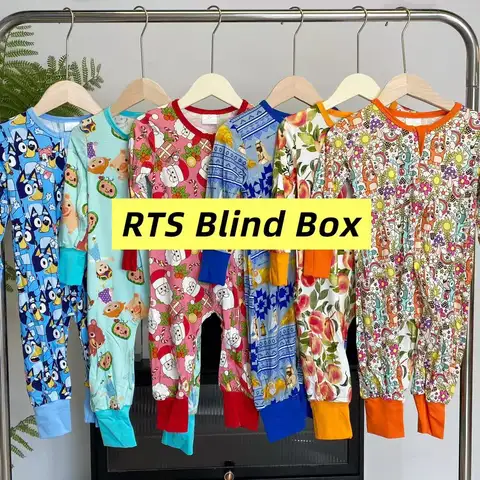
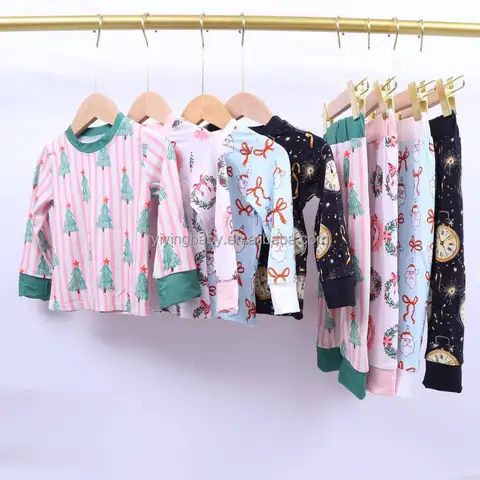
Odm Bulk Bamboo Baby Clothes Private Label Wholesale
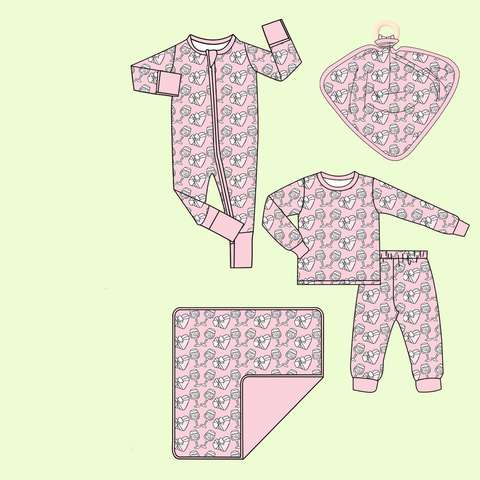
Bulk Bamboo Baby Clothes: Understanding CPC/CPSIA Compliance and Quality Control
Bamboo baby clothes are rapidly gaining popularity due to their eco-friendly nature and hypoallergenic properties. However, as businesses transition to bulk purchasing of these garments, it is crucial to ensure compliance with legal standards and maintain stringent quality control. This article delves into the essential requirements outlined by the Consumer Product Safety Improvement Act (CPSIA), Consumer Product Compliance (CPC), and the necessary quality control (QC) audits that underpin the integrity and safety of bamboo baby clothes.
CPC/CPSIA Compliance
The Consumer Product Safety Improvement Act (CPSIA) along with the Consumer Product Compliance (CPC) are pivotal to the manufacturing and distribution of baby clothes. These regulations are designed to safeguard consumers, particularly the vulnerable infant demographic, from potential risks associated with clothing products. Understanding and adhering to these legal frameworks is essential for businesses involved in bulk purchasing of bamboo baby clothes.
Key Requirements:
- Lead Content and Phthalates: All baby clothes must comply with CPSIA standards regarding lead content. The law restricts the lead content to less than 100 parts per million (ppm). Additionally, phthalates, used as plasticizers, must also be within legal limits (<0.1% total for certain phthalates).
- Flammability Standards: According to the Flammable Fabrics Act (FFA), baby clothing must meet specific flammability requirements, including testing procedures that ascertain fabric safety under extreme conditions.
- Tracking Labels: CPSIA mandates tracking labels on children’s products. These labels must include vital information, such as the product’s manufacturer, production location, and date of manufacture.
Failure to comply with these legal standards can result in hefty fines and recalls, damaging a company’s reputation and consumer trust. Thus, understanding CPSIA/CPC compliance is not merely an obligation but a strategic component of business success in the baby apparel industry.
Quality Control Audits
Quality control audits are critical when dealing with bulk bamboo baby clothes. These audits ensure that the garments not only meet legal standards but also fulfill consumer expectations regarding quality and durability. Conducting consistent quality control checks can mitigate risks associated with non-compliance and defective products, thereby safeguarding the brand's integrity.
Essential QC Parameters:
- Material Consistency: Bamboo fabric should be consistent in terms of weight, texture, and color. QC audits can help identify any discrepancies that may affect product quality.
- Seam Integrity: Inspections must verify seam strength and durability, ensuring that garments withstand normal wear and tear.
- Color Fastness: Testing for color fastness ensures that bamboo baby clothes do not bleed or fade, maintaining their aesthetic appeal through repeated washings.
- Dimensional Stability: QC audits should examine shrinkage rates, guaranteeing that clothes retain their shape and size over time.
Incorporating regular QC audits as part of the production workflow enhances product quality, minimizes recalls, and promotes consumer satisfaction.
Navigating Challenges in Bamboo Baby Clothes Manufacturing
The process of manufacturing bulk bamboo baby clothes presents unique challenges due to specific material properties and stringent regulations. Businesses must navigate these complexities through strategic planning and operational excellence.
Material Sourcing:
Sourcing high-quality bamboo fibers is crucial. Businesses should collaborate with reputable suppliers who prioritize sustainable harvesting and processing. Transparent supply chains foster trust and ensure the reliable quality of raw materials.
Environmentally Friendly Production:
Many consumers are drawn to bamboo clothing due to its eco-friendly nature. Factories should implement sustainable manufacturing practices, minimizing the environmental impact through reduced water usage and chemical application.
| Fabric Type | Pima Cotton |
| Compliance | ASTM F963 |
| Customization | Custom |
| Lead Time | 33 Days |
Regulatory Knowledge:
Keeping abreast of changes in CPC/CPSIA regulations is essential. Companies should invest in compliance expertise to continuously adapt to any legislative shifts that impact production and sales.
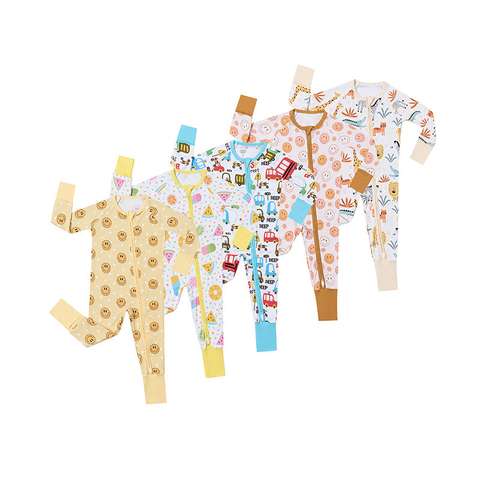
Strategic planning, rigorous quality control, and compliance with legal standards are indispensable for any business dealing in bulk bamboo baby clothes. By focusing on these areas, companies can enhance product safety, quality, and market competitiveness, ultimately leading to increased consumer trust and sustained business growth.
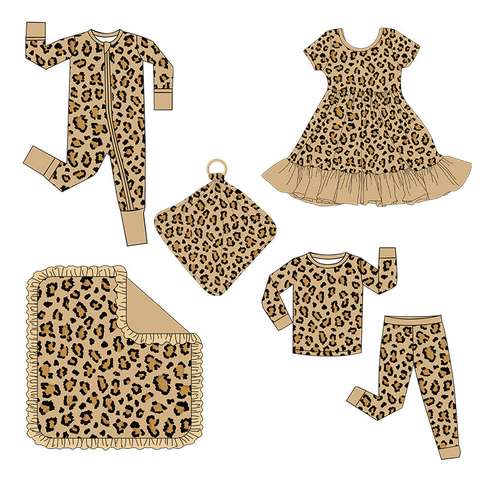
, the interplay between CPC/CPSIA compliance, quality control audits, and manufacturing practices defines the pathway to success in the bamboo baby clothing industry. Businesses must embrace these elements to thrive in a competitive market landscape, ensuring that their products are not only stylish and sustainable but also safe and reliable for the youngest consumers.