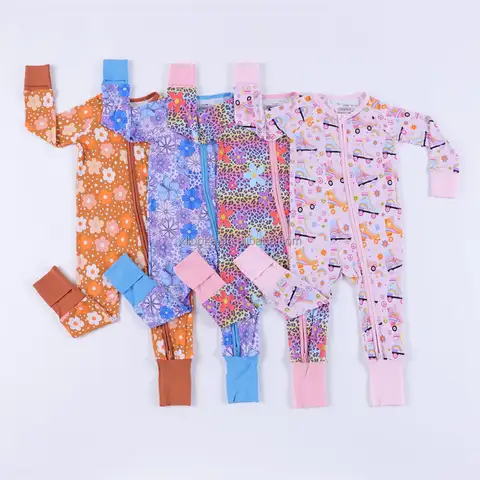
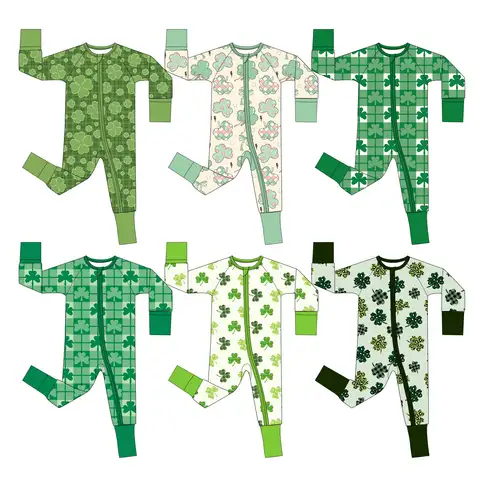
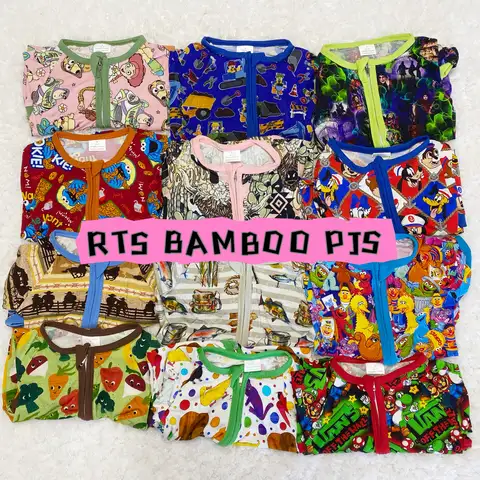
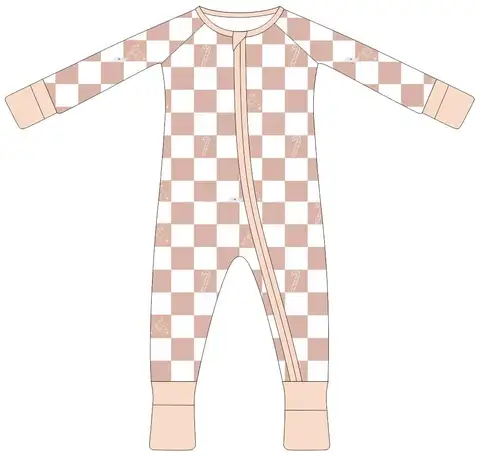
Odm Bulk Baby Girl Clothes Cpc Certified Supplier
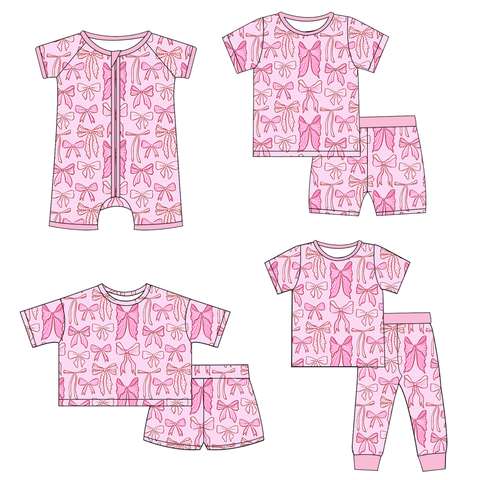
Ensuring Compliance and Quality in Bulk Baby Girl Clothes
In the thriving market for baby apparel, ensuring the safety and quality of bulk baby girl clothes is paramount. For manufacturers and retailers aiming to maintain compliance and deliver superior products, understanding the intricacies of Consumer Product Safety Improvement Act (CPSIA) requirements, Children's Product Certificate (CPC) regulations, and Quality Control (QC) audits is essential. This article dives into the vital aspects of these legal obligations and best practices for conducting QC audits, offering guidance to businesses operating in this sector.
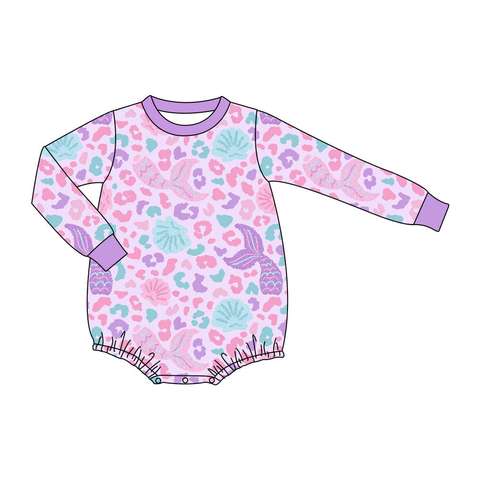
Understanding CPSIA Requirements
The Consumer Product Safety Improvement Act (CPSIA), enacted in 2008, is a legislative mandate that lays out stringent standards for children's products, including clothing. CPSIA regulations are designed to address potential hazards that may affect young consumers. For baby clothes, the primary focus is on chemical safety, flammability, and physical safety.
- Chemical Safety: CPSIA limits the use of harmful substances such as lead and phthalates in children's clothing. Compliance with these limits is crucial, especially since infants might have direct contact with these garments.
- Flammability Standards: While certain exemptions apply, baby clothes must typically comply with flammability standards to reduce potential fire hazards.
- Physical Safety: The design and construction of baby clothes should avoid potential choking hazards, such as small buttons or detachable parts.
CPC: Children's Product Certificate
As a demonstration of compliance with CPSIA, manufacturers and importers are required to provide a Children's Product Certificate (CPC). This document certifies that the product complies with all applicable children's product safety rules. A CPC must accompany each shipment of children's apparel and should include several key components:
- Identification of the product covered by this certificate.
- The citation to each CPSC children's product safety rule to which this product is being certified.
- Identification of the U.S. importer or domestic manufacturer certifying compliance of the product.
- Contact information for the individual maintaining records of test results.
- Date and place the product was manufactured and tested.
- Identification of any third-party lab used for compliance testing (if applicable).
For businesses dealing in bulk baby girl clothes, maintaining an accurate and up-to-date CPC is crucial not only for regulatory purposes but also for ensuring consumer trust and brand reliability.
Implementing Effective QC Audits
Quality Control (QC) audits serve as a cornerstone in ensuring the integrity, safety, and compliance of baby girl clothes production. An effective QC process involves several critical steps, designed to identify non-compliances and defects at various stages of production.
- Pre-Production Inspection: A thorough inspection of raw materials and initial manufacturing processes can prevent defects and ensure compliance with CPSIA standards early in the production cycle.
- During Production Inspection: Regular checks during the production phase help in monitoring adherence to safety standards and verifying product specifications.
- Final Random Inspection: Conducted prior to shipment, this inspection ensures finished goods meet all quality and safety requirements outlined in the CPC.
QC audits not only help manufacturers identify issues that could lead to non-compliance but also provide insights into process improvements, ultimately enhancing product quality.
Engaging Third-Party Testing and Certification Bodies
Given the strict regulatory landscape, engaging third-party testing and certification bodies can offer significant advantages. Independent testing facilities provide unbiased evaluations of product safety and compliance, bolstering the credibility of the CPC.
Benefits of Third-Party Testing:
| Fabric Type | Organic Bamboo |
| Compliance | CPC Certified |
| Customization | Bespoke |
| Lead Time | 30 Days |
- Ensures that all materials and processes meet necessary safety and quality standards.
- Provides a trusted certification that can reassure retailers and consumers alike.
- Helps to identify potential issues before products reach the market, minimizing costly recalls and reputational damage.
By investing in third-party testing, businesses can mitigate risks associated with non-compliance and foster greater confidence in their product offerings.
For companies engaged in the production and distribution of bulk baby girl clothes, understanding and executing CPSIA and CPC requirements, alongside rigorous QC audits, is crucial. These practices not only ensure compliance with federal regulations but also pave the way for higher quality and safer products in the marketplace.
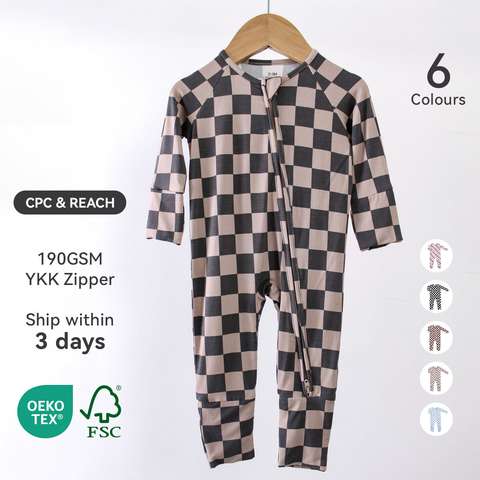
In an industry where safety cannot be compromised, leveraging technical resources, engaging third-party certification bodies, and adhering to comprehensive quality control measures remain vital strategies for success. By prioritizing compliance and quality, businesses can build lasting consumer trust and secure their position in a competitive market.
This HTML article covers the necessary legal requirements and quality control strategies in the context of bulk baby girl clothes. Feel free to use or adapt it as needed for your content strategy.