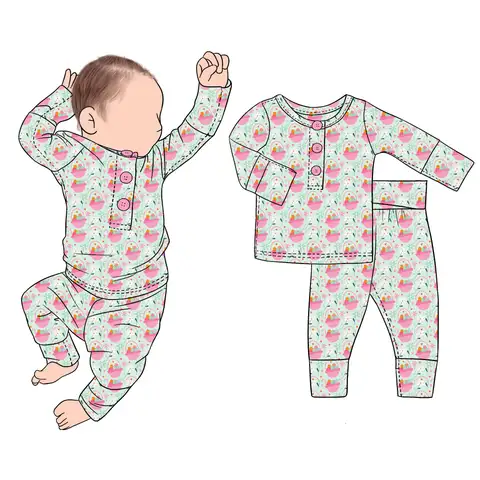
Odm Baby Clothes Maker Bespoke Exporter
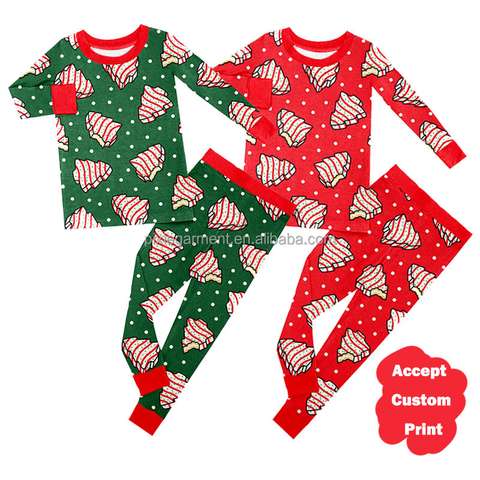
The Importance of Compliance and Quality Control in Baby Clothes Manufacturing
Baby clothes manufacturers face an array of challenges, particularly when it comes to meeting legal requirements and maintaining stringent quality standards. The Consumer Product Safety Improvement Act (CPSIA) is a crucial regulatory framework aimed at ensuring the safety of children's products within the United States. For any business operating in this niche, understanding and complying with CPSIA standards, along with implementing rigorous quality control (QC) audits, is paramount. This article delves into the specifics of these requirements and offers insights into how manufacturers can consistently meet them.
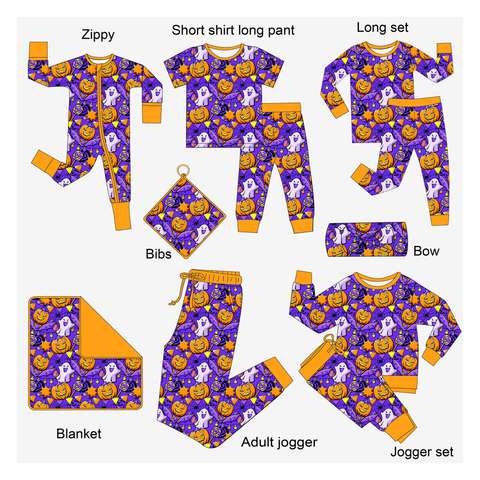
Understanding CPSIA Requirements for Baby Clothes
The CPSIA, enacted in 2008, establishes specific safety standards that products intended for children must adhere to. Key requirements include limits on lead content, phthalates levels, and mandatory testing by a third-party laboratory approved by the Consumer Product Safety Commission (CPSC).
- Lead Content Restrictions: Under the CPSIA, children's products must contain no more than 100 parts per million (ppm) of total lead content in accessible parts.
- Phthalates Limits: Defined phthalates, such as DEHP and DBP, are restricted to no more than 0.1% concentration in toys and childcare articles including baby clothes.
- Mandatory Testing: All baby clothes need to undergo testing by a CPSC-accepted laboratory to certify compliance with applicable requirements and safety standards.
By adhering to these regulations, manufacturers not only abide by the law but also build trust with their consumers, assuring parents that their products are safe for children.
The Role of Quality Control Audits in Manufacturing
Beyond regulatory compliance, ensuring product quality through systematic QC audits is essential for maintaining the integrity and reliability of baby clothes. These audits help identify defects, improve manufacturing processes, and ultimately, enhance customer satisfaction.
- Inspection During Production: Ongoing inspection during various production phases helps identify issues early, reducing costs associated with post-production defects.
- Final Random Inspection (FRI): A comprehensive review conducted once production is complete but before shipping. FRI assesses the product against quality standards and specifications.
- Laboratory Testing: In addition to initial CPSIA compliance testing, periodic lab tests can detect potential safety issues related to fabric flammability, chemical content, and other safety concerns.
Implementing a robust quality control system not only safeguards compliance but also ensures that the end products meet the company's own high standards, thereby enhancing brand reputation and customer loyalty.
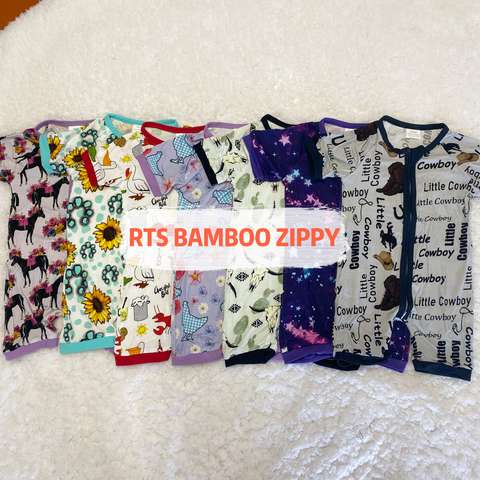
| Fabric Type | Pima Cotton |
| Compliance | CPC Certified |
| Customization | Private Label |
| Lead Time | 35 Days |
Best Practices for Ensuring Compliance and Quality
For baby clothes manufacturers aiming to thrive in a highly competitive market, adopting best practices for compliance and quality assurance is critical. Here are a few recommendations:
- Develop a Comprehensive Compliance Strategy: Create a detailed plan that encompasses all necessary regulatory requirements, testing schedules, and quality benchmarks.
- Partner with Accredited Testing Laboratories: Choose testing partners carefully to ensure that all safety evaluations meet CPSC standards and deadlines.
- Invest in Staff Training: Regular training sessions ensure that employees are aware of compliance requirements and quality control techniques, preventing errors before they occur.
- Integrate Technology in QC Processes: Implementing advanced QC tools and software for real-time monitoring and reporting can enhance accuracy and efficiency.
These practices help streamline operations, reduce the risk of penalties due to non-compliance, and foster a culture of quality throughout the organization.
: Building a Safer and More Reliable Product
For baby clothes manufacturers, the pathway to success is heavily dependent on a solid foundation in compliance with CPSIA requirements and a commitment to quality control. By understanding these legal obligations and integrating rigorous QC audits into operations, manufacturers can produce safe, high-quality products that align with consumer expectations.
As the market continues to evolve, maintaining up-to-date knowledge of legal standards and adopting innovative quality assurance practices will set leading manufacturers apart. Ultimately, this diligence helps safeguard the welfare of the most vulnerable consumers—infants and toddlers—and secures a company’s position as a trusted provider of baby clothes.