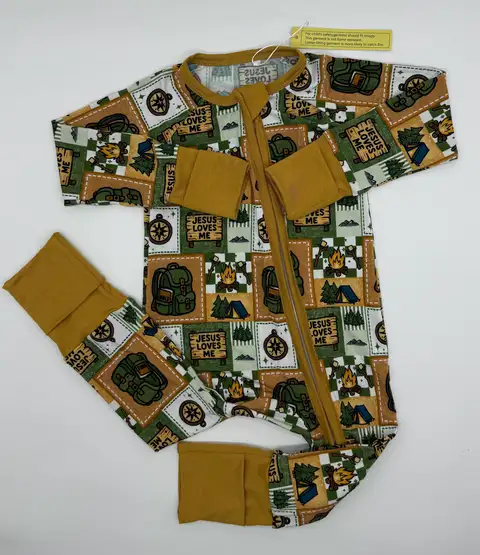
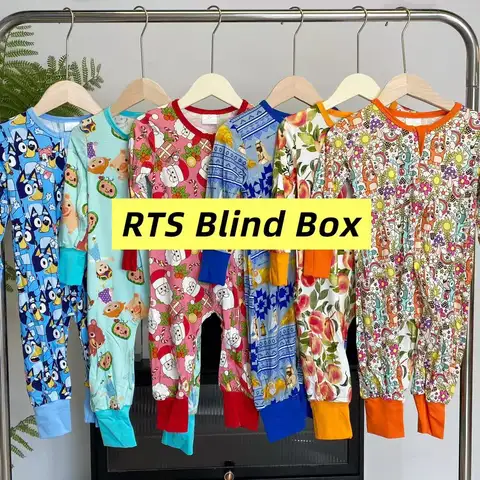
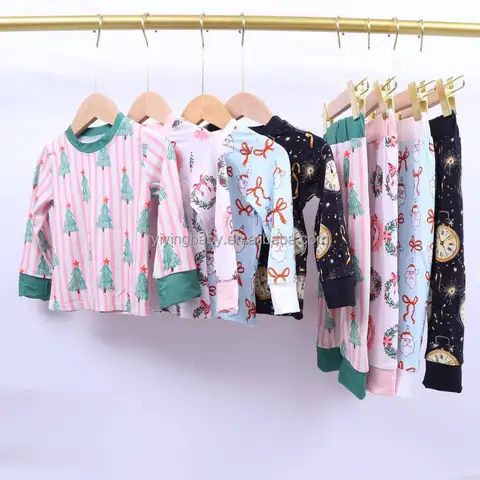
Manufacturer Supplier Direct Bamboo Fiber Kids Sleepwear Wholesale
Importance of Lockstitch Tension
In the production of bamboo fiber kids sleepwear, achieving proper lockstitch tension is critical for commercial quality. Misaligned or inconsistent lockstitch settings can lead to weak seam construction, puckering, or skipped stitches. For fabrics like bamboo fiber, which have unique tensile properties, precision is non-negotiable. Seam defects at the consumer level degrade the credibility of the bamboo fiber kids sleepwear Factory Direct Source, increasing returns and compliance failures during QA inspections. Test the lockstitch regularly at different speeds and with differing tension levels to handle the material’s elasticity.

Using needle sizes ranging from 70/10 to 75/11 works best for lightweight bamboo fibers, typically around 160-190 GSM. Check the thread tension for balance to prevent thread breaking or uneven bobbin usage. High-speed lockstitching paired with low-quality or improper threads risks damaging the fabric weave, especially during scaling for higher order volumes. Consistency is key—set reference torque benchmarks and test samples against AQL 2.5 standards for any defects. The cost of neglecting this step will outscale perceived savings.
Seam Strength for Bamboo Fiber Material
Seam strength is often underestimated in bamboo fiber kids sleepwear. The inherent softness of bamboo fiber contributes to its allure but also creates challenges in maintaining durable seams. For effective manufacturing processes, apply reinforced stitching techniques like double lockstitch or three-thread overlocking along high-stress areas such as cuffs, waistbands, and side seams. Seam specimens should pass the ASTM D1683 test for burst strength to ensure durability. Any overlooked weak points along these seams translate directly into complaints, online returns, and possible contract breaches with buyers.
Allocate resources to regular seam audits during the production run. With tensile testing machines calibrated to the material properties of bamboo fiber, conduct elongation and failure-point assessments. Stitch density on an average should range from 10-12 SPI (stitches per inch) to balance strength without overloading the material. Bamboo fiber kids sleepwear Factory Direct Source operations must integrate seam stress failure analyses into sampling for effective OEM assessment and resale stability.
Scaling Challenges for OEM Production
OEM scalability in bamboo fiber kids sleepwear manufacturing isn’t solely dependent on equipment. Operators, supply chain alignment, and batch consistency determine success as much as machines. Bamboo fabric requires handling precision due to its higher absorbency and stretch compared to conventional cotton. During scaling, inexperienced operators increase reject rates through poor tension handling, needle burns, and uneven edge finishes.
Pattern grading plays an equally critical role. Size grading tolerances must stay within ±2mm to maintain consistent fits. Poorly executed cut pieces compromise batch integrity, resulting in escape defects that get flagged during AQL 2.5 inspections. Consistent GSM readings across procurement lots eliminate discrepancies caused by variable thicknesses in bamboo textile. Automate fabric inspection with inline defect detection scanners calibrated specifically for bamboo fiber to reduce reliance on manual checks and compressed delivery timelines in high-volume OEM projects.
Stitch migration happens more frequently during production scaling, especially with thinner bamboo fiber fabrics. To offset migration and edge curling, invest in band knife cutters specifically suited for lightweight knits or woven bamboo fiber. These cutters minimize fraying in production, which otherwise induces additional labor hours post-cutting for fabric stabilization. For commercial OEM deliveries, downtime directly translates into cost spikes. Tighten pre-production timing controls with a heavy emphasis on sampling accuracy.
Equipment Calibration and Updates
Every piece of production equipment needs to align with the specific handling requirements for bamboo fiber kids sleepwear. Multi-needle chainstitch machines, flatlock sewing machines, and high-speed overlock machines are baseline tooling. Prolonged output on traditional equipment exacerbates inconsistency issues. Conduct quarterly maintenance and update machinery setup to ensure precision on bulk orders above 20,000 units.
Thread lubricators are also essential to optimize the glide and reduce breakage during extended runs. Bamboo fiber, due to its smooth filament structure, may stress inferior thread quality. Premium polyester or polyester/cotton blended thread is highly recommended for aesthetics and long-term seam retention. Before production, each sourcing batch must undergo mandatory needle penetration tests under randomized conditions to ensure it's aligned with machine specifications without snags at the seams.
GSM Consistency Monitoring
GSM (grams per square meter) is integral to the quality assurance process for bamboo fiber kids sleepwear. Material inconsistencies in GSM affect stretch recovery, opacity, and drape—all critical elements for children’s apparel. Material deviations greater than ±5 GSM can create significant discrepancies in the finished product’s hand feel and comfort qualities, potentially leading to consumer dissatisfaction.
Plan for roll-to-roll GSM testing during fabrics inspection. This practice identifies variations in vendor-supplied fabric and avoids onsite delays during cutting. Retain and label fabric samples from all bulk lots to provide traceable quality assurance in post-delivery complaint cases. The bamboo fiber kids sleepwear Factory Direct Source strategy should also involve layered controls, such as maintaining a digital record of GSM variation history, supplier IDs, and roll dimensions.
Pre-shipment Evaluation and AQL Standards Compliance
Meeting AQL 2.5 standards in bamboo fiber kids sleepwear remains unavoidable in OEM production agreements. Several importing clients will specify stricter thresholds, sometimes tighter than AQL 1.5 for sensitive child sleepwear categories. All final items need to undergo dimensional stability checks via 3-cycle shrinkage tests at 40°C, simulating domestic washing conditions. This ensures that fabric integrity and sizing are maintained post-wash for apparel markets demanding long-lasting usability.
Vendor compliance metrics are strengthened by semi-automated fabric inspection machines. If operating manually, train quality checkers to identify defects like runs, misweaves, and skipped stitches. Colorfastness to washing, friction, and even saliva acidity where disputed child safety standards are concerned must undergo cross-checking before final shipments. A bamboo fiber kids sleepwear Factory Direct Source gains market credibility by proactively guarding against known industry risks, including missed QA triggers and legal exposure from preventable quality issues.
Critical Control Over Dyeing and Finishing
Bamboo fiber is particularly sensitive during dyeing, requiring reactive dye treatments for sustained vibrancy and minimized fading. When producing bamboo fiber kids sleepwear, pH balancing during the dyeing process cannot be overlooked. Alkaline residues impair dye absorption and lead to streaking on the material. Invest in state-of-the-art continuous washing tanks or, at minimum, enforce pH testing after each dyeing batch for better saturation control and reduced rework levels.
For achieving optimal fabric hand feel, the finishing process must integrate precision calendaring at specific pressure and temperature levels. Heat sensitivity in bamboo leads to yellowing or stiffness at prolonged exposures. Setters should monitor calender rollers to prevent over-compression during smoother applications. Ensure continuous examination of woven and knit finishes to look for faults like rough textures or oily stains. Attentive batch-level finishing adds value and ensures market readiness for wholesale or retail via bamboo fiber kids sleepwear Factory Direct Source.
Packaging and Shipping Protocols
Proper packaging is a non-negotiable step to preserve the quality of bamboo fiber kids sleepwear during transit. Bamboo fiber is prone to mild creasing, so individual plastic pack sleeves are recommended to mitigate excessive wrinkling in bulk orders. While many OEM factories reduce packaging steps to save costs, this often leads to poor first impressions and reduced buyer satisfaction. Utilize vacuum-sealed inner packs if shipping intercontinentally to reduce volume and potential humidity absorption.
Label placement adherence is just as crucial. Review packaging guides in compliance with both buyer specifications and international textile labeling regulations. Heat-sealed or ultrasonic labels are preferable for bamboo fiber kids sleepwear Factory Direct Source batches to avoid fraying or irritation on sensitive children’s skin. Additionally, reinforce cartons with waterproof sheeting for containerized shipping to protect garments from environmental exposure during transitions between storage facilities.
| Base Composition | Pima 353nd Gen |
| Eco Index | 88% Certified |
| Lead Time | 22 Days |
| Quality Audit | TUV |
| Target Usage Scope | Girls Dressesbamboo Clothes |
| Elite Usage Parameter | Custom Bamboo Pajamas |
Best Practices in Handling Bamboo Fiber
Incorrect handling of bamboo fiber during production impacts scratch resistance, softness, and durability in bamboo fiber kids sleepwear. Educating line staff on the nuances of this fabric is vital, starting with proper storage—avoid humid conditions that could compromise yarn integrity or promote fungal growth. Prioritize clean factory conditions to prevent dust accumulation, which could embed unwanted particles into unfinished fibers.
Cutting strategies must ensure minimum fabric wastage while accommodating shrinkage margins. Common pitfalls include improper allocation of material based on shrinking rates per dye lot. Opt for shrinkage-tested bamboo fabric rolls vetted over 3-5 wash cycles before cutting plans are finalized for bulk production. Employing marker planning software with preloaded fabric settings for bamboo ensures a more methodical material utilization strategy. This is a fundamental factor that can significantly impact pricing when positioning as a reliable bamboo fiber kids sleepwear Factory Direct Source.
Final Takeaway
The production of bamboo fiber kids sleepwear demands a high degree of technical expertise. Addressing lockstitch tension, seam durability, and scaling requirements requires robust systems and rigorous training. Each operational phase, from material handling to finishing, feeds directly into the reliability of your reputation as a bamboo fiber kids sleepwear Factory Direct Source.