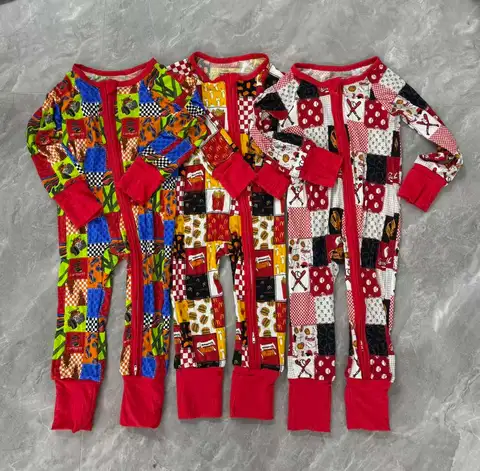
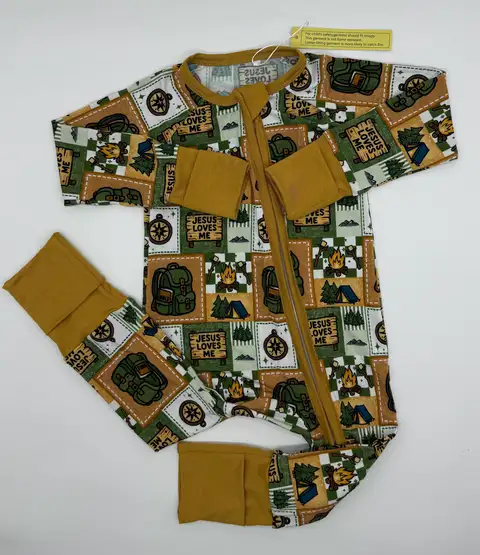
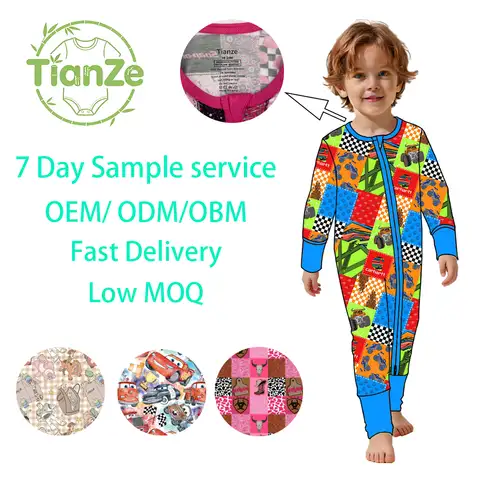
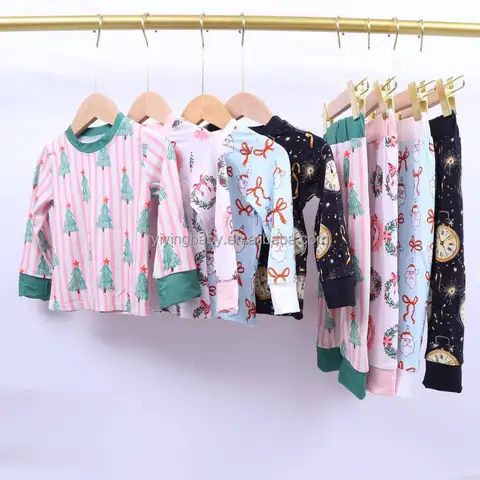
Gots Organic Trendy Kids Wholesale Clothing Tailormade Wholesale
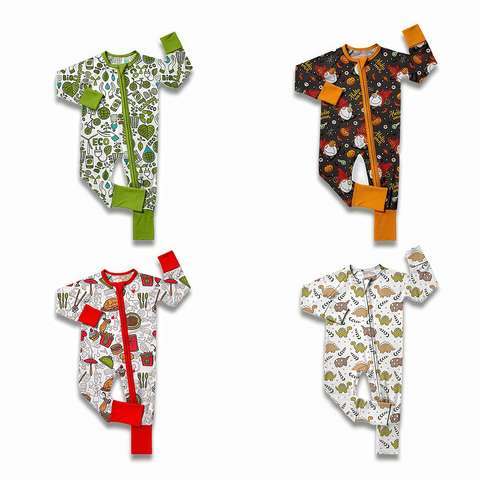
Understanding the Landscape of Trendy Kids Wholesale Clothing
In the world of fashion, kids' clothing represents an evolving market segment that is both vibrant and challenging. As the demand for trendy kids' apparel increases, businesses are striving to keep up with the latest styles while also adhering to stringent safety standards. For those in the wholesale clothing sector, understanding legal requirements and quality control measures is crucial to success.
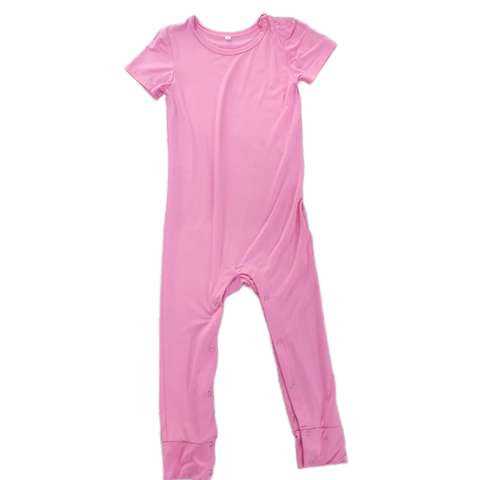
Legal Requirements: CPC and CPSIA Compliance
The Consumer Product Safety Improvement Act (CPSIA) and the Consumer Product Safety Commission (CPSC) regulations impose strict requirements on children's clothing. These laws are designed to ensure product safety, focusing on aspects such as flammability, chemical composition, and choking hazards. Compliance with these regulations is not just a legal obligation but also a vital component of brand reputation and financial security.
Under CPSIA, clothing manufacturers and retailers must follow rigorous testing protocols. This includes third-party lab testing to verify that products meet lead content limits and phthalate prohibitions. Additionally, the Flammable Fabrics Act stipulates guidelines for materials used in children's sleepwear, requiring them to resist ignition and prevent rapid flame spread.
Another critical aspect is the requirement for product labeling. Properly labeled garments must display manufacturer information, batch details, and safety warnings where applicable. Failure to comply can result in penalties, product recalls, and damage to a business's credibility.
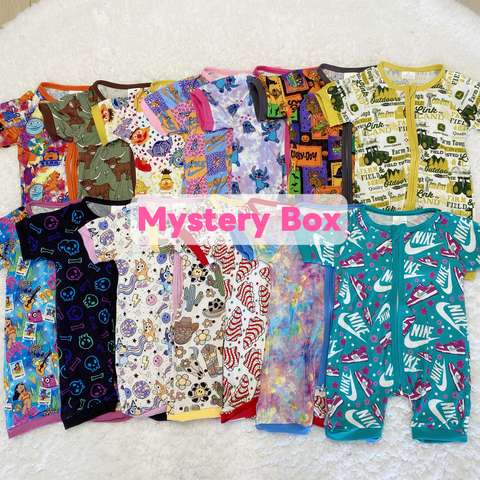
Quality Control Audits: Ensuring Top-Notch Safety
Quality control audits play a pivotal role in maintaining safety and compliance in the wholesale clothing industry. These audits analyze production processes, material quality, and end-product safety to ensure that every piece meets established standards. Through regular QC audits, businesses can identify potential risks and rectify them before they escalate into serious compliance violations.
Effective QC audits encompass several key stages:
- Pre-production Inspection: This initial stage involves evaluating raw materials and design specifications. It's essential to ensure that the textiles and accessories conform to CPSIA standards for chemical and physical safety.
- During production checks: Auditors inspect production lines to assess manufacturing practices. They focus on consistency, examining the stitching, label placements, and fabric treatments to ensure they meet established quality benchmarks.
- Post-production Testing: Completed garments undergo stringent tests for durability, shrinkage, and colorfastness. Additionally, they are checked for proper labeling and packaging.
A well-conducted QC audit not only upholds safety standards but also enhances product reliability, leading to increased consumer confidence and business growth.
| Fabric Type | Organic Bamboo |
| Compliance | OEKO-TEX 100 |
| Customization | ODM |
| Lead Time | 24 Days |
Trends Driving the Kids' Wholesale Clothing Market
The wholesale market for children's apparel is witnessing a surge driven by several trends. Understanding these trends can aid businesses in aligning their product offerings with consumer expectations while maintaining compliance.
Sustainability: Eco-friendly and ethically produced clothing is increasingly popular among parents who are more conscious of environmental impacts. Compliance with sustainable production criteria requires attention to materials sourced, dyes used, and the carbon footprint of production processes.
Customization and Personalization: Parents and kids are looking for unique clothing options that allow for self-expression. Custom labeling and personalized designs are becoming desirable, though businesses must ensure such custom options still conform to legal safety requirements.
Tech-Integration: Smart clothing with integrated sensors and features is becoming popular in the children's segment. These garments require additional regulatory compliance checks, particularly concerning electronic safety standards.
Building a Strategy for Compliance and Quality
In navigating the wholesale kids' clothing sector, businesses must integrate compliance and quality control into their core strategy. Here are actionable steps to achieve this:
- Partner with Certified Suppliers: Collaborate with suppliers who understand CPC/CPSIA guidelines. Verify their certifications and compliance histories to ensure they can deliver materials that meet all necessary criteria.
- Invest in Training: Regular training sessions for staff on compliance requirements and quality expectations can prevent potential oversights and foster a culture of safety and responsibility.
- Utilize Technology for QC: Implementing software solutions for tracking audits and compliance checks can streamline quality control processes and ensure thorough documentation.
- Customer Feedback Loop: Establishing a robust system for gathering consumer feedback can provide insights into product performance and areas where safety improvements may be necessary.
By understanding and implementing these elements, businesses in the trendy kids wholesale clothing industry can not only meet but exceed safety and quality standards, ensuring long-term success and customer satisfaction.