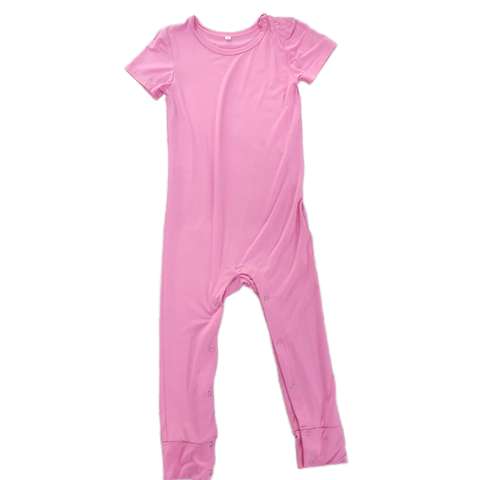
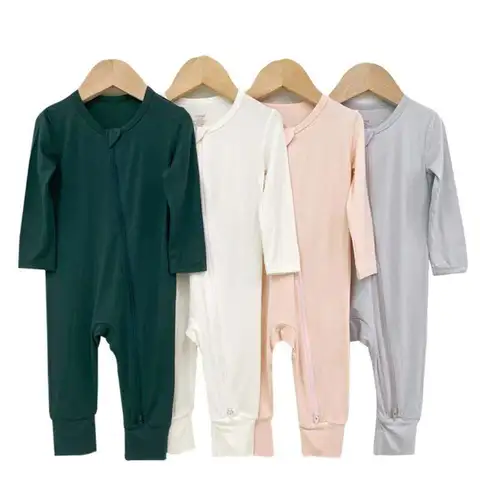
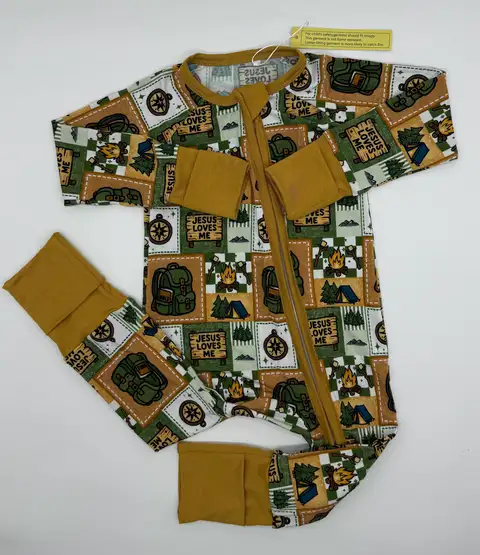
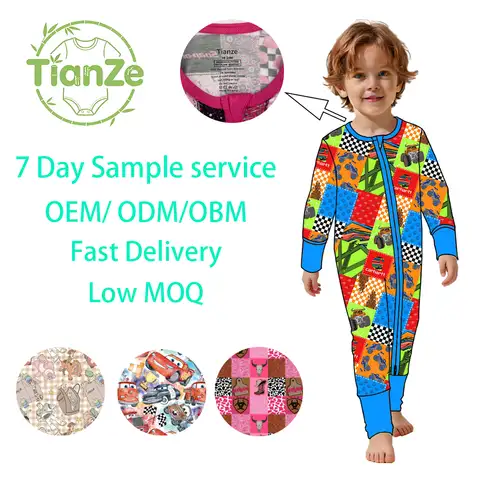
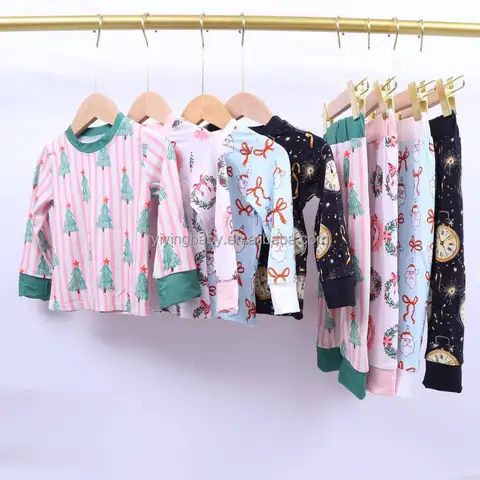
Gots Organic Bulk Baby Onesies Tailormade Wholesale
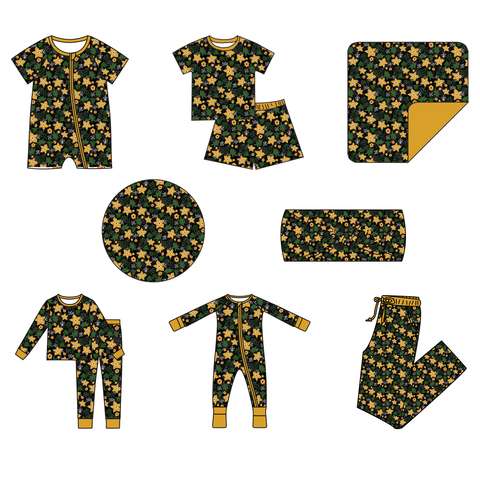
Ensuring Compliance and Quality in Bulk Baby Onesie Production
The production and distribution of bulk baby onesies are subject to stringent regulations and quality control audits. Understanding these requirements is crucial for manufacturers and suppliers aiming to succeed in this competitive market. This article delves into the legal obligations under the Consumer Product Safety Improvement Act (CPSIA), the guidelines outlined by the Consumer Product Safety Commission (CPSC), and the essential quality control practices needed to ensure compliance and quality.
CPSIA Requirements for Baby Onesies
Passed in 2008, the Consumer Product Safety Improvement Act (CPSIA) significantly increased the safety standards for children's products, including baby onesies. Manufacturers must ensure their products comply with CPSIA requirements to avoid penalties and maintain consumer trust.
Key CPSIA requirements for bulk baby onesies include:
- Lead Content Limitations: Baby onesies must have no more than 100 parts per million (ppm) of lead content in any accessible component.
- Phthalate Restrictions: CPSIA restricts certain phthalates commonly used in plastics and fabric coatings in products intended for children, requiring their concentration not exceed 0.1%.
- Mandatory Testing: Products must undergo third-party testing by CPSC-accredited laboratories to demonstrate compliance with CPSIA standards.
- Tracking Labels: Each onesie needs a permanent tracking label to identify the source, manufacture date, and batch information, facilitating recalls if necessary.
CPSC Guidelines on Children's Wear
The Consumer Product Safety Commission (CPSC) sets additional guidelines to enhance consumer protection and promote safe manufacturing practices. Baby onesies must adhere to these standards to assure safety and compliance.
CPSC guidelines emphasize:
- Flammability Standards: Baby onesies must pass flammability tests to reduce the risk of fire-related injuries, ensuring fabrics resist bursting into flames under normal use conditions.
- Choking Hazard Control: Designs should avoid small parts, strings, or decorations that could pose a choking hazard to infants.
- Durability and Fiber Testing: Manufacturers should perform wear and tear tests, assessing garment durability, fiber integrity, and resistance to physical stress.
Quality Control Audits for Baby Onesies
Quality control audits are essential for maintaining high standards in bulk production. These audits aim to assess product quality, manufacturing processes, and adherence to legal standards, ensuring safe and reliable baby onesies reach consumers.
Important elements of quality control audits include:
- Factory Inspections: Routine factory inspections evaluate the manufacturing environment, equipment maintenance, and worker safety practices.
- Compliance Verification: Audits verify the application of CPSIA and CPSC standards in production, checking documentation, testing records, and label accuracy.
- Product Sampling: Random sampling of baby onesies for laboratory testing ensures consistent quality across batches, identifying defects or non-compliance issues.
Material Considerations for Baby Onesies
Choosing the right materials for baby onesies is a critical task impacted by safety, comfort, and durability requirements. The materials used must meet regulatory safety standards while providing comfort and durability suited for infants.
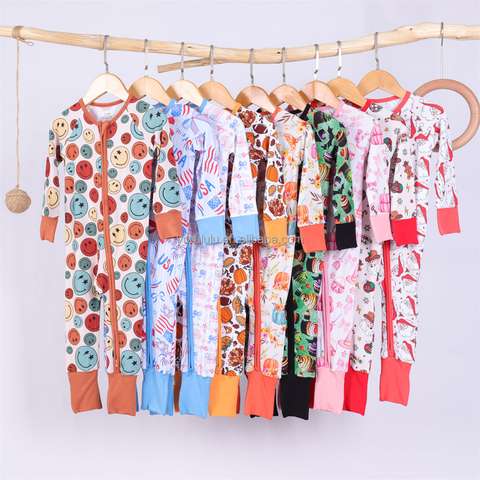
Material selection should consider:
| Fabric Type | Pima Cotton |
| Compliance | CPC Certified |
| Customization | OEM |
| Lead Time | 39 Days |
- Organic Cotton: Organic cotton is favored for its natural softness, hypoallergenic properties, and chemical-free production, ensuring safe exposure to infants.
- Bamboo Fabric: Known for its breathability and moisture-wicking capabilities, bamboo fabric offers sustainability and comfort, ideal for delicate skin.
- Blended Fabrics: Combining cotton with synthetic fibers like polyester constitutes a widely used approach to enhance durability and stretch while maintaining comfort.
Best Practices for Bulk Production
Successfully producing bulk baby onesies requires adherence to best practices that optimize efficiency, quality, and compliance. Manufacturers must navigate complex production demands and legal stipulations to deliver high-quality products.
Recommended best practices include:
- Process Automation: Automation in sewing, cutting, and packaging processes reduces error rates, improves consistency, and enhances production speed.
- Sustainable Manufacturing: Implementing eco-friendly practices, such as waste reduction and energy-efficient technologies, serves both environmental and regulatory goals.
- Continual Training: Regular training programs for staff on regulatory updates, safety protocols, and new technologies improve production quality and compliance.
Adhering to CPSIA and CPSC requirements, executing thorough quality control audits, and applying industry best practices are essential steps for producers of bulk baby onesies. By focusing on these areas, manufacturers can ensure their products are not only compliant and safe but also successful in meeting consumer expectations.