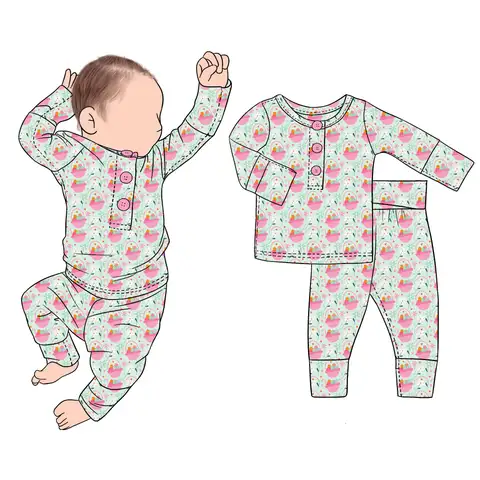
Gots Organic Blank Baby Clothes Tailormade Vendor

Understanding CPC/CPSIA Requirements for Blank Baby Clothes
Blank baby clothes represent a pivotal portion of the infant apparel sector. Business-to-business (B2B) enterprises focusing on wholesale distribution or customization need to prioritize compliance with legal standards, particularly the Consumer Product Safety Improvement Act (CPSIA) and the Children's Product Certificate (CPC) requirements. This article delves into the technical nuances that make compliance not only mandatory but crucial for quality control (QC) audits.

The Importance of CPSIA Compliance
The Consumer Product Safety Improvement Act, established in 2008, mandates stringent safety standards for children's products, including baby clothing. This legislation aims to reduce risks associated with hazardous materials in children's products ensuring safety and peace of mind for consumers. For businesses, understanding and implementing CPSIA compliance is non-negotiable, as failure to do so can result in costly recalls and reputational damage.
Blank baby clothes, though seemingly simple, fall under this category and require the same meticulous scrutiny in material selection and manufacturing processes. Companies must ensure that each item passes mandatory tests for flammability, lead content, and phthalates, among other potential hazards.
The Role of Children's Product Certificate (CPC)
Each batch of blank baby clothes intended for the market must be accompanied by a Children's Product Certificate (CPC). This certificate attests that the product complies with all applicable safety rules under CPSIA. Obtaining a CPC requires rigorous product testing by a CPSC-accredited lab, documenting compliance with relevant standards.
It's essential for businesses to maintain records, including test reports and CPCs, as they are subject to inspection during quality control audits. The CPC acts as a visible testament to a product’s safety, fostering trust among retailers and end consumers alike.
Material Selection and Testing
The choice of material in blank baby clothes is a critical aspect of compliance. Natural fibers like cotton are typically preferred due to their hypoallergenic properties and safety. However, even natural fibers must be tested to ensure they do not contain harmful levels of lead or phthalates.
Flammability testing is another significant requirement. Products must meet the flammability standards outlined in the Federal Flammable Fabrics Act. For baby clothes, this means ensuring the fabric's ability to withstand ignition under specific conditions. Regular testing and quality checks are vital to maintain compliance with these safety standards.
Conducting QC Audits
Quality control audits are integral to ensuring continuous compliance with CPC and CPSIA standards. These audits involve comprehensive evaluations of manufacturing processes, materials used, and the integrity of compliance documentation. They are conducted internally, or by third-party agencies, to validate that every aspect of production aligns with safety norms.
| Fabric Type | Pima Cotton |
| Compliance | ASTM F963 |
| Customization | Tailor-made |
| Lead Time | 22 Days |
During QC audits, inspectors assess various facets such as the batch consistency of fabrics, the traceability of tests conducted, the accuracy of CPC information, and the adherence to regulatory specifications. These audits not only safeguard the brand against potential legal issues but also enhance product reliability and consumer safety.
Strategies for Maintaining Compliance
To achieve and maintain compliance with CPC/CPSIA standards, businesses can adopt several strategic measures:
- Regular Training: Conduct regular training sessions for staff involved in production and quality assurance to keep them updated on current standards and practices.
- Collaborative Partnerships: Partner with CPSC-accredited labs for consistent testing services and access to expert compliance advice.
- Systematic Documentation: Implement a robust documentation process that meticulously records each phase of production, test results, and CPC issuance across all product lines.
- Continuous Monitoring: Install monitoring systems that provide real-time updates and alerts on material supply chain changes or recalls.
- Feedback and Adjustments: Establish feedback loops with retailers to gather insights on product performance, facilitating timely adjustments to manufacturing processes.
While the realm of blank baby clothes might seem straightforward, the compliance and quality control aspects are intricate and require unfaltering attention to detail. Through understanding and implementing CPSIA/CPC requirements alongside diligent QC audits, businesses can assure safety, enhance product credibility, and secure their position in a competitive market.
In the end, compliance is not merely a legal obligation; it's a cornerstone of trust and quality. As businesses cater to the most sensitive demographic—infants—it is imperative that every product passes the rigorous gauntlet of safety standards, fostering confidence among consumers and contributing to a safer world for the youngest members of our society.