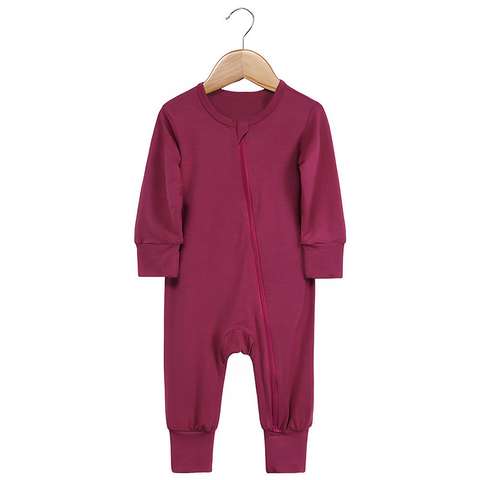
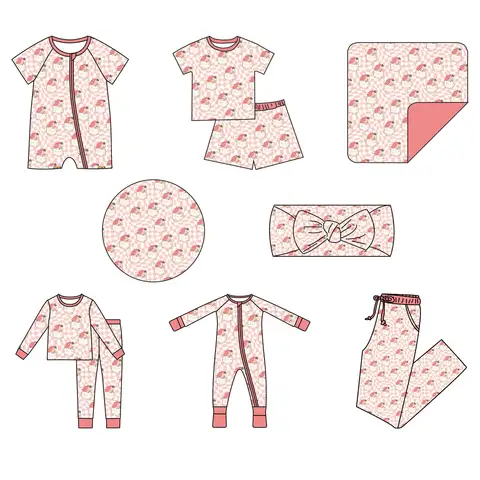
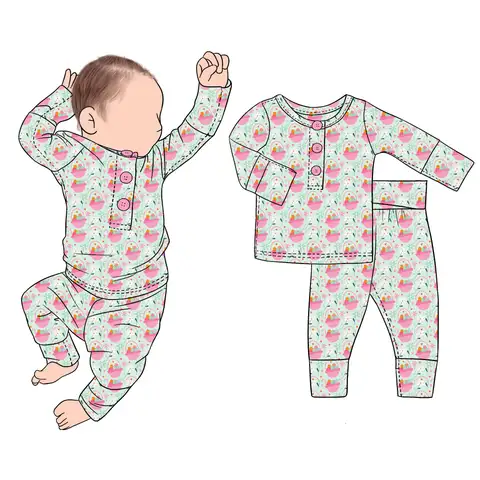
Gots Organic Baby Onesies In Bulk Oem Exporter

Ensuring Compliance and Quality in Bulk Baby Onesies Procurement
In the competitive market of baby apparel, purchasing baby onesies in bulk provides businesses with significant opportunities for cost savings and improved inventory management. However, navigating the intricate landscape of legal requirements and quality control (QC) audits is crucial in ensuring compliance and maintaining the quality of these sensitive garments.
Understanding CPSIA and CPC Compliance: Key Legal Cornerstones
When procuring baby onesies in bulk, businesses must adhere to the Consumer Product Safety Improvement Act (CPSIA) and the requirements for a Children's Product Certificate (CPC). These regulations are designed to ensure the safety of children's products, including clothing, by mandating strict standards.
The CPSIA, enacted by the U.S. Congress in 2008, applies to manufacturers and distributors of children's products, setting limits on lead content, phthalates, and requiring mandatory third-party testing and product labeling. A CPC is required for each batch of imported products, certifying that the items comply with applicable safety standards under CPSIA.
Failure to comply with these regulations can result in severe penalties, including fines and product recalls. Importers and manufacturers must thus prioritize obtaining CPC certification and ensure CPSIA compliance for every batch of baby onesies they procure. This entails maintaining comprehensive documentation of testing and certification processes.
The Importance of Quality Control Audits
Quality control audits are indispensable in the procurement of baby onesies in bulk, ensuring product consistency and safety. These audits not only assess the physical attributes of the garments, such as stitching quality and fabric durability, but also the manufacturing processes involved.
1. Physical Inspections: Thorough inspections assess the quality of materials used, verifying that they are soft, safe for delicate skin, and free from sharp edges or loose buttons that could pose a choking hazard. Consistency in size and color should also be examined to meet customer expectations.
2. Material Testing: Fabrics must be reviewed for harmful substances, including lead and phthalates, ensuring compliance with regulatory standards. This involves examining supplier certifications and conducting regular audits of materials received.
3. Process Audits: Evaluating the manufacturing processes helps identify any inefficiencies or potential quality breaches. This includes auditing the facilities for proper sanitation conditions, employee training programs, and adherence to best practices in production.
Implementing Effective QC Strategies
To effectively manage quality control, businesses should establish detailed QC strategies, incorporating checkpoints at different stages of procurement and production:
| Fabric Type | Pima Cotton |
| Compliance | CPSIA Compliant |
| Customization | Private Label |
| Lead Time | 37 Days |
1. Supplier Evaluation: Begin with a thorough evaluation of potential suppliers. This involves assessing their history with compliance, their ability to provide documented evidence of safety and quality certifications, and their flexibility in adapting to specific client requirements. Regular visits and audits of supplier facilities bolster confidence in their operations.
2. Batch Testing: Implement batch testing protocols to validate the quality of each set of produced or imported onesies. This includes random sampling for defects, material strength testing, and verifying compliance with safety standards. Batch testing not only ensures consistent quality but can prevent substantial financial losses due to faulty products.
3. Documentation and Tracking: Develop a robust documentation system to track all quality control measures undertaken. This encompasses detailed records of testing processes, audit results, and supplier communications. Such documentation proves invaluable in the event of disputes or regulatory inquiries, evidencing due diligence and compliance adherence.
: Balancing Compliance with Business Objectives
Purchasing baby onesies in bulk is a strategic decision requiring a delicate balance between compliance with legal standards and fulfilling business objectives of cost-efficiency and product quality. By prioritizing CPC certification, adhering to CPSIA regulations, and implementing meticulous quality control audits, businesses can ensure both the safety and satisfaction of their ultimate customer—the infant wearer—while also safeguarding their operations against potential penalties and recalls.
The foundation of this balance is a well-structured QC strategy incorporating supplier evaluations, batch testing protocols, and comprehensive documentation systems. As such, QC audits become not just a legal necessity but a vital component of business strategy, ensuring each baby onesie produced meets the high standards demanded by both regulatory bodies and consumer expectations.