Gots Organic Baby Onesie With Name Custom Oem
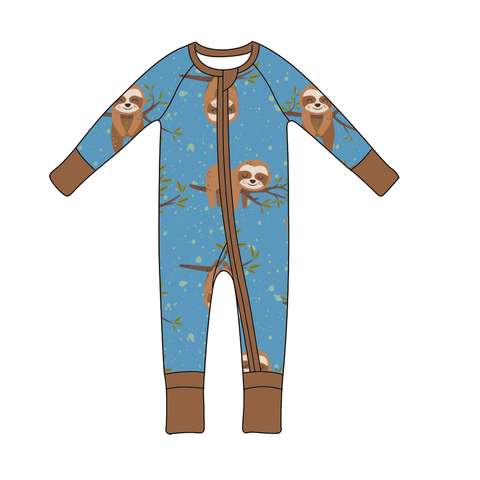
Ensuring Compliance and Quality in Personalized Baby Onesies: A Guide for Manufacturers
The baby apparel market, particularly personalized baby onesies, is thriving, with parents seeking unique and thoughtful products for their little ones. However, manufacturing these items comes with a significant responsibility: ensuring compliance with both the Consumer Product Safety Improvement Act (CPSIA) and product quality standards. This article focuses on the intricate requirements and best practices for audits in the production of baby onesies imprinted with names.
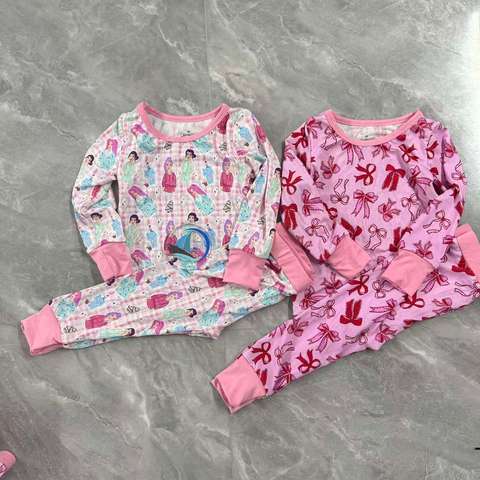
Understanding CPSIA Requirements for Baby Onesies
Enacted in 2008, the CPSIA sets stringent standards aimed at ensuring the safety of children's products, including baby apparel. One critical aspect for manufacturers is understanding the chemical compliance related to fabric and printing ink used in personalized onesies. CPSIA mandates limits on lead content, phthalates, and other hazardous substances that can be found in textiles and embellishments.
For personalized onesies with names, manufacturers must ensure that the inks used in printing not only comply with these chemical restrictions but also adhere to physical safety standards. These include durability and resistance to wear and tear, which are assessed to prevent any peeling or ingestion risks.
Labeling and Tracking Requirements
CPSIA also necessitates precise labeling and tracking. Each product must have a tracking label that includes information such as the batch number, date and place of manufacture, which facilitates quick recalls if necessary. This is essential for personalized onesies, where the customization process adds another layer of complexity to tracking inventory accurately.
, the labels must be non-toxic and securely attached to prevent detachment. Manufacturers need to ensure that name tags or prints on baby onesies do not pose choking hazards, reinforcing the importance of rigorous quality checks during production.
Quality Control Audits in Baby Onesie Production
Quality control (QC) audits are indispensable for meeting both regulatory and commercial standards in baby onesie production. These audits scrutinize all stages of production—from raw material sourcing to the final product—to ensure compliance and quality. QC audits for personalized baby onesies focus on several key areas:
- Material Quality: Ensuring the fabric is soft and hypoallergenic, suitable for delicate infant skin.
- Print Durability: Verifying that the personalized printing remains intact and does not fade after washing.
- Construction Integrity: Checking stitching and construction quality to ensure the garment is robust.
Technical Testing Methods
Achieving the CPSIA compliance involves several technical testing methods:
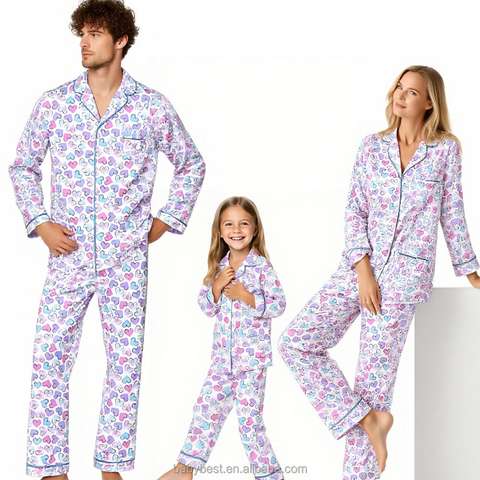
- Chemical Testing: To detect compliance with lead and phthalate limits, chemical testing of both fabrics and printed inks is crucial. Sophisticated techniques like X-Ray Fluorescence (XRF) or Inductively Coupled Plasma Mass Spectrometry (ICP-MS) are commonly employed.
- Mechanical Testing: This evaluates the durability of prints and stitch strength, simulating wear and tear using the ASTM and ISO standards for textiles.
- Flammability Testing: In adherence to federal regulations, onesies, as theses type of children's apparel, must meet flammability standards, which might involve specialized tests tailored to the fabric's composition.
Best Practices for Manufacturers
For manufacturers of personalized baby onesies, staying abreast of regulatory changes is essential. Regular training and updates about CPSIA requirements should be integrated into quality control protocols. It is advisable to partner with certified laboratories for testing and seek professional consultation on compliance issues.
, the integration of technology like RFID tags for tracking can enhance compliance adherence by providing real-time data on inventory and production batches. This technological approach not only ensures meeting legal requirements but also boosts efficiency in product recalls and monitoring.
Manufacturers venturing into the personalized baby onesie market must prioritize both compliance and quality to maintain customer trust and enhance brand reputation. Meeting CPSIA requirements paired with robust QC audits ensures that these apparel products are safe, durable, and compliant with legal standards. Technical knowledge and constant vigilance in production processes will enable manufacturers to deliver safe and cherished personalized garments that meet consumer expectations and legal mandates.
| Fabric Type | Organic Bamboo |
| Compliance | CPSIA Compliant |
| Customization | Custom |
| Lead Time | 40 Days |