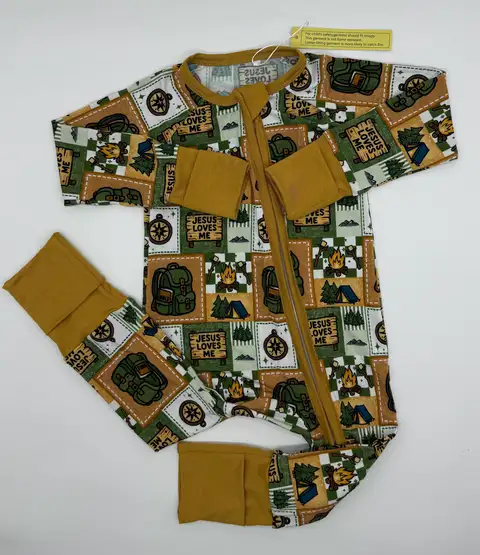
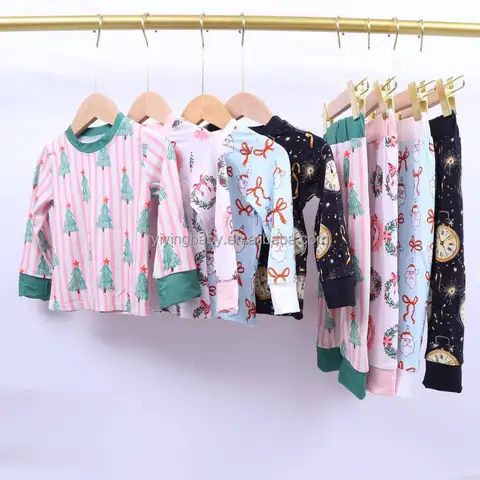
Girls Pajamas Wholesale Leading OEM Manufacturer Verified
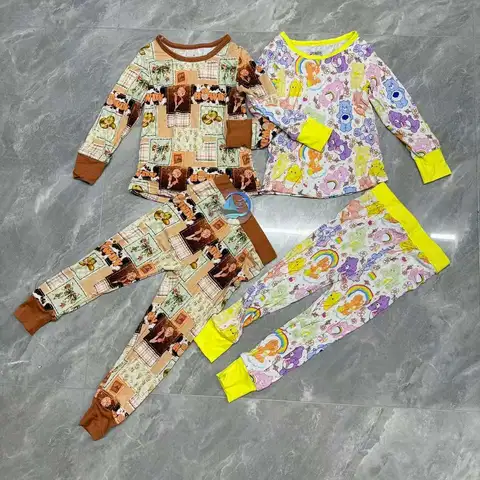
The production of girls pajamas has unique challenges when it comes to managing lockstitch tension, ensuring seam strength, and scaling OEM operations efficiently. For high-quality results and seamless operations, production lines must meet key standards while adhering to precision in every step. This document serves as a no-nonsense technical guide to optimizing these key aspects specifically for girls pajamas.

1. Lockstitch Tension Optimization
Lockstitch tension drives the foundational quality for girls pajamas. Without the correct tension, stitch defects such as skipped stitches, puckering, or thread snapping may occur, leading to product rejections or escalated returns. When processing fabrics commonly used for girls pajamas such as 100% cotton or cotton blends (150-180 GSM), achieving a balanced stitch is crucial.
- Needle and Thread Coordination: Use size 75/11 or 80/12 needles with 40-50 tex threads for most girls pajamas. These configurations minimize thread breakage while producing consistent seams, especially in higher stretch fabrics.
- Bobbins and Shuttle Tension: Regularly re-evaluate bobbin case tension. The pull-off rate of the bobbin thread should avoid an overly loose or tight fit, with thread pull set at 4-5 ounces for consistent feed.
- Stitch Length and Feed Adjustments: Stick to 10-12 SPI (stitches per inch) for girls pajamas. Adjust the presser foot pressure based on the specific fabric weight - lower pressure avoids damage on lightweight materials (below 160 GSM).
Test Routinely: Implement on-line lockstitch tension testing as fabric batches change. Have QA teams verify the stitch form across seam types in critical wear areas such as cuffs and waistbands of girls pajamas.
2. Seam Strength Standards for Girls Pajamas
Defining the seam strength of girls pajamas is non-negotiable. This metric dictates durability, safety, and overall comfort during consumer wear post-wash cycles. Balancing strength with flexibility is key given the movement associated with sleepwear.
- Seam Configurations: Utilize flatlock seams or overlocked edge-to-edge seams with a differential feed ratio of 1.2-1.4 for stretchable fabric. For woven materials, prioritize double-stitched topstitches combined with a clean-finished French seam inside.
- SPI Standards: Maintain standard SPI tolerances by minimizing stitch count fluctuation. Deploy automated machines with a +/- 0.5 SPI tolerance for both main seams and enclosed seams on girls pajamas.
- Fabric GSM Inspection: Ensure consistent GSM between 150-180 for all girls pajamas batches procured. Irregular fabric performance directly impacts seam integrity over time and leads to pilling or tearing.
Test Preparation for Seam Durability: Samples must undergo pull tests exceeding standard ASTM D1683. Focusing on samples with stress failure over a minimum shear force of 20 pounds is optimal for girls pajamas across tier-1 sourcing practices.
3. OEM Scaling for Girls Pajamas
Scaling OEM production for girls pajamas requires precision control over cost structures, lead times, and input quality. Managing inventory, operations flow, and supplier coordination define the success of bulk manufacturing efforts. Below, we outline practical steps for achieving scalability.
3.1 BOM (Bill of Materials) Management
A meticulous BOM is the foundation of operational success. Detail all components from pre-cut fabric weights to dyed yarns. For girls pajamas, key points include:
- Elastic and Trim Specifications: Account for all elastics (e.g., 3/8-inch woven elastic) and trim elements, specifying material tolerances to minimize deviations.
- Thread Consumption: Understand thread wastage coefficients (20-30% for cotton-blended fabrics) when calculating bulk requirements.
3.2 Vendor Compliance
Select tier-1 sourcing vendors for materials of high quality. Validate supplier performance by using certified batch-testing data for shrinkage rates on fabric intended for girls pajamas.
- Fabric Pilling Resistance: Evaluate fabric through Martindale or Random Tumble Pilling Tester results. A rating of 4 or higher ensures longevity for kids’ repeated washing and wear.
- Stretch Recovery: For knit blends (95/5 cotton-spandex), enforce knit structures capable of 90%+ recovery post-extension under common stress tests.
3.3 Standard Operating Procedures (SOPs)
Streamline training programs and establish SOPs tailored for girls pajamas to reduce variability and defects during production ramp-ups. Some best practices include:
- Inline Inspection: Inspect 25% of production pieces during assembly to flag loose stitches, skipped seams, or mismatched patterns.
- Assembly Workflow: Begin assembly with elasticated elements (waist or cuffs) to ensure even distribution and tensioning before joining the main structures.
3.4 Warehouse and Logistics Insight
Scaling OEM capacity for girls pajamas requires both space optimization and proper SKU planning. Ensure all sizes, colorways, and design variations align with the girls pajamas Manufacturer Price List.
- Inventory Turnover Rate: Maintain inventory turnover rates of 8x/year for fast-moving styles. Optimize warehouse staging for direct loading efficiency.
- Packaging Integration: Confirm all poly bags meet suffocation warning and recyclable plastic mandates. Consistency increases your brand's retailer appeal.
4. Sewing Line Setup for High-Volume Girls Pajamas Production
Stable supply chain management paired with factory optimization ensures your operations can consistently meet production quotas. Setting up sewing lines for high productivity means balancing throughput, minimizing machine downtime, and identifying bottlenecks in real time.
| Eco Index | 92% Certified |
| Lead Time | 17 Days |
| Premier Supply Chain Metric | Manufacturer Toddler Newborn Boy Sleeping Animal Bulk Winter New Christmas Baby Pyjamas Set Baby Bamboo Pajamas |
| Elite Manufacturing Field | Bamboo Pajamas Baby |
| Base Composition | Bamboo 134nd Gen |
| Quality Audit | BV |
- Machine Selection: Deploy flatlock machines such as Pegasus 562 or JUKI model equivalent for seam smoothness and durability. Consider integrating cylinder-bed sewing machines for elastic cuffing on smaller sizes for girls pajamas.
- Thread Material Quality: Opt for polyester core-spun threads (Tex-24 or Tex-30) for smaller details. For waistbands or complex patterns, polyester-nylon blends offer better flexibility.
Performance Testing After Setup: Random batch production must clear cycle efficiency tests. The target output of 72-88 specimens (matching average bulk volumes for girls pajamas) per 8-hour shift per team is attainable with proper SOP compliance.
5. Quality Control and Batch Auditing
Defect-free production is only possible with robust QC protocols. Introducing batch audits for major retailers requesting the girls pajamas Manufacturer Price List ensures alignment with compliance and grading requirements.
- Shrinkage Tests: Randomly select material swatches for shrinkage testing after 5, 10, and 20 wash cycles. Pre-shrinkage above 3% must flag rejection in line with consumer-grade specifications.
- Thread Strength Testing: Test thread elongation metrics routinely using Tensile Testing machines. Threads below 20-25% elongation shouldn't be approved for girls pajamas, as they risk snapping under minor strain.