Custom How To Buy Childrens Clothes Wholesale Odm Manufacturer
Understanding Wholesale Purchasing of Children's Clothes
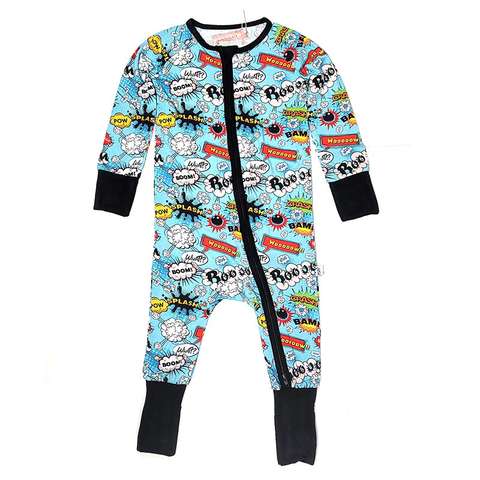
Buying children’s clothes in bulk can be a highly strategic move for businesses aiming to expand their inventory and maximize profits. However, entering the wholesale market demands thorough knowledge of the item specifications, regulatory requirements, and quality assurance practices. This article delves into crucial elements such as legal compliance, quality control, and practical buying tips to help retailers navigate their wholesale purchasing journey effectively.
Legal Requirements: CPC and CPSIA Compliance
Before purchasing or selling children's clothing, businesses must familiarize themselves with pertinent legal standards. The Consumer Product Safety Commission (CPSC) governs many regulations concerning children's apparel, ensuring that products meet basic safety requirements. Two essential components are the Children's Product Certificate (CPC) and the Consumer Product Safety Improvement Act (CPSIA).
Children's Product Certificate (CPC): The CPC certifies that a product complies with applicable children's product safety rules. Wholesalers should ensure that their products are tested by CPSC-approved laboratories and that proper documentation is maintained.
Consumer Product Safety Improvement Act (CPSIA): Enacted in 2008, CPSIA enhances safety standards for children’s products, including clothing. It sets limits on lead and phthalates, mandates the compliance testing and certification, and requires tracking labels with information about the manufacturing date and location.
Identifying Reputable Wholesale Suppliers
Choosing the right supplier is vital to secure quality products and reliable service. Here are key factors to consider when evaluating wholesale suppliers:
Supplier Accreditation: Opt for suppliers accredited by recognized authorities such as ISO or SGS, which adhere to stringent standards and practices in manufacturing processes.
Supplier Reviews and Reputation: Conduct comprehensive research on potential suppliers. Examining reviews and seeking feedback from other retailers can provide insights into their reliability and product quality.
Sample Testing: Request samples before committing to bulk purchases. This allows evaluation of the product's material, stitching, finish, and quality.
Quality Assurance and Control Measures
Quality control (QC) ensures that children’s clothes meet consumer expectations and safety standards. Implementing effective QC measures is critical to preventing non-compliance and ensuring product reliability.
Pre-Shipment Inspections: Before finalizing shipment, conduct inspections to verify quality, quantity, packaging, and labeling. This step mitigates risks associated with receiving defective or mismatched products.
In-Process Inspections: Inspections during the production stages help to identify defects early and maintain consistent quality standards across batches.
Documentation and Reporting: Detailed checks should be documented and reported to the manufacturer for rectification. Consistent communication aids in maintaining product quality and establishing accountability.
Negotiating Contracts and Pricing
Price negotiations in wholesale buying can significantly impact profitability. Establishing a fair and mutually beneficial contract is essential.
Understanding Price Structures: Familiarize yourself with the elements affecting pricing, including material costs, production processes, and transport expenses. A comprehensive understanding can provide leverage during negotiations.
Volume-Based Discounts: Higher purchase volumes often attract better discounts. Analyze your inventory needs to determine optimal buying quantities to maximize potential savings.
| Fabric Type | Organic Bamboo |
| Compliance | ASTM F963 |
| Customization | Private Label |
| Lead Time | 37 Days |
Clear Contract Terms: Ensure contracts elucidate payment terms, lead time, return policies, and non-disclosure agreements, minimizing misunderstandings.
Ensuring Sustainability and Ethical Practices
The increasing demand for sustainable and ethically produced products prompts retailers to scrutinize practices within their supply chain.
Eco-Friendly Materials: Opt for suppliers who offer garments made from organic or recycled materials. This shifts consumer sentiment favorably toward environmental stewardship.
Labor Practices: Evaluate supplier commitment to fair labor practices. Certifications like Fair Trade can reinforce confidence in ethical sourcing.
Corporate Social Responsibility (CSR): Incorporating suppliers with robust CSR policies can enhance brand reputation and foster consumer loyalty.
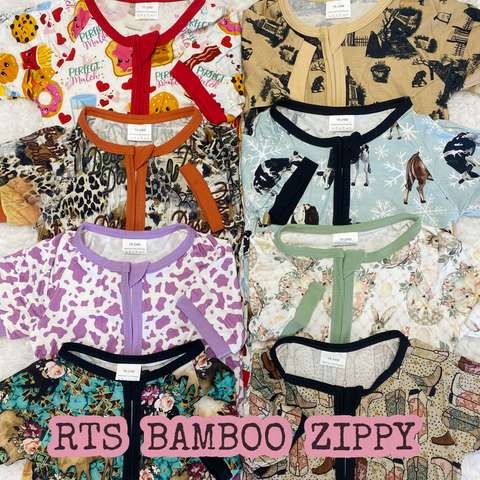
To conclude, buying children’s clothes wholesale presents unique challenges and opportunities. Businesses must ensure compliance with regulatory requirements, apply meticulous quality control measures, choose reliable suppliers, negotiate effectively, and prioritize sustainable practices. Engaging in these comprehensive strategies will not only safeguard your venture against legal ramifications but also increase product reliability and consumer satisfaction.