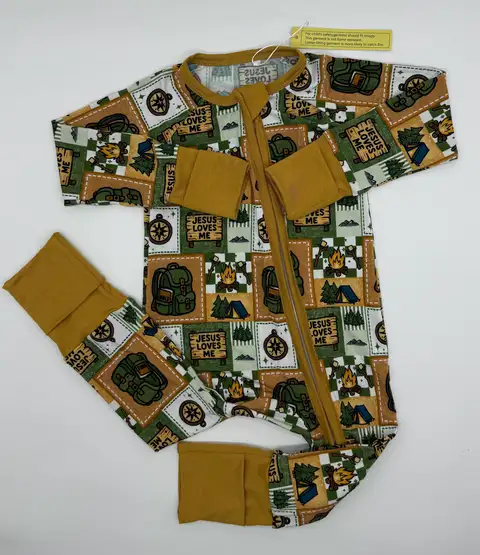
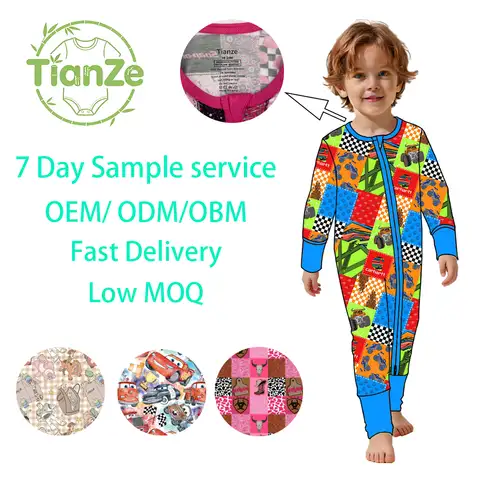
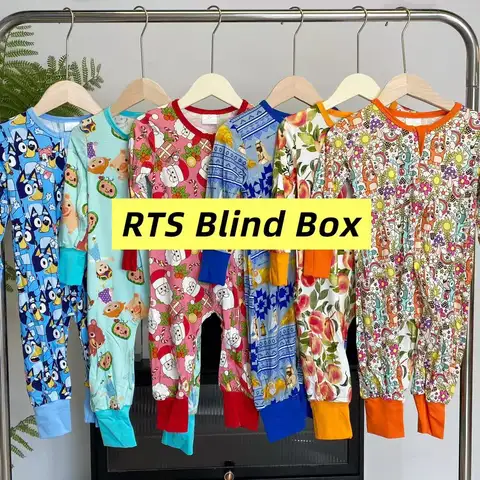
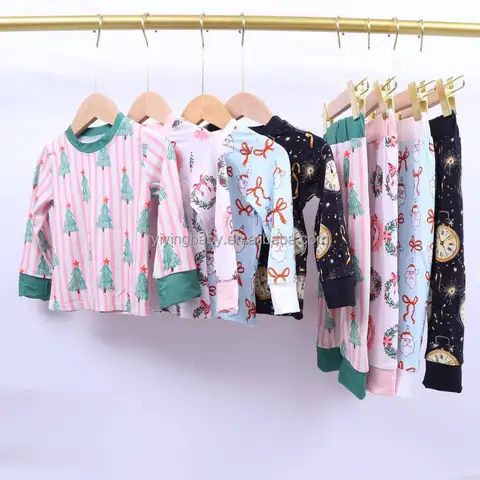
Custom Childrens Clothing Wholesale Bespoke Manufacturer
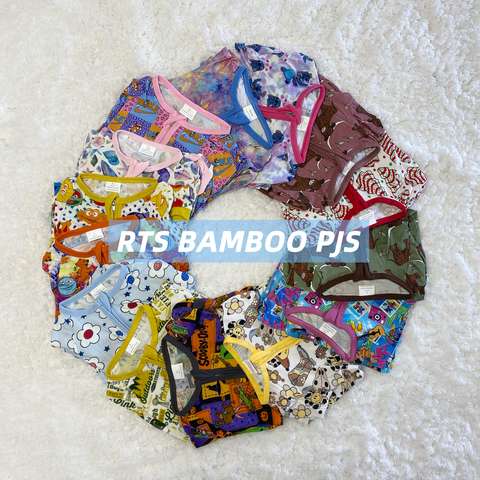
The Intricacies of Children's Clothing Wholesale: Legal Compliance and Quality Control
The realm of children’s clothing wholesale is fraught with complexities that necessitate a deep understanding of legal requirements and quality control protocols. With increasing scrutiny on safety standards and regulatory compliance, it is imperative for wholesalers to adhere meticulously to these stipulations to avoid pitfalls and secure market trust. This article delves into the legal frameworks set forth by the Consumer Product Safety Commission (CPSC) and the Consumer Product Safety Improvement Act (CPSIA) alongside essential quality control (QC) audit considerations.
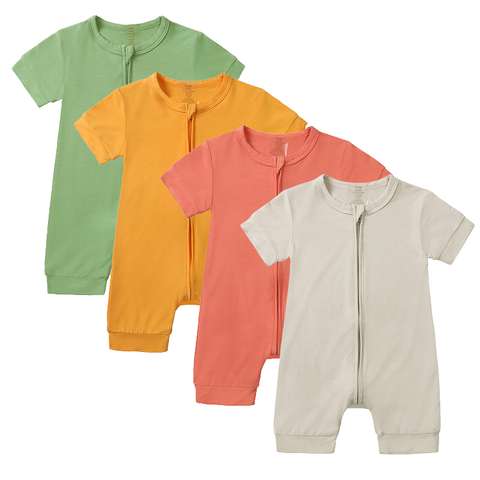
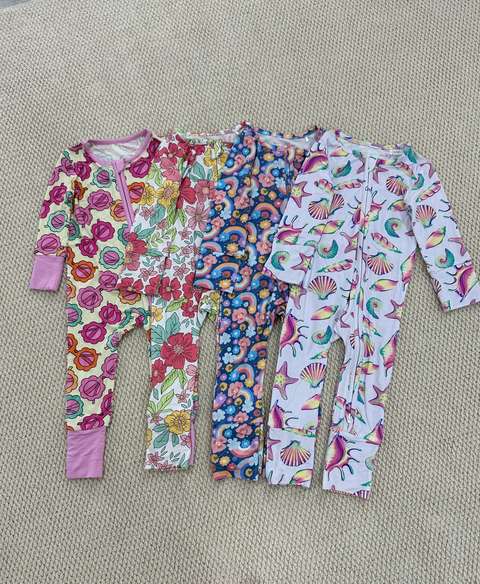
Understanding CPC and CPSIA Regulations
The Consumer Product Safety Commission (CPSC) and the Consumer Product Safety Improvement Act (CPSIA) are cornerstone legislative bodies ensuring the safety of children's clothing distributed in the United States. The CPSIA, enacted in 2008, introduced rigorous standards aimed at minimizing risks, mandating comprehensive testing, and ensuring transparency in product safety. For wholesalers in the children's clothing sector, understanding these regulations is non-negotiable.
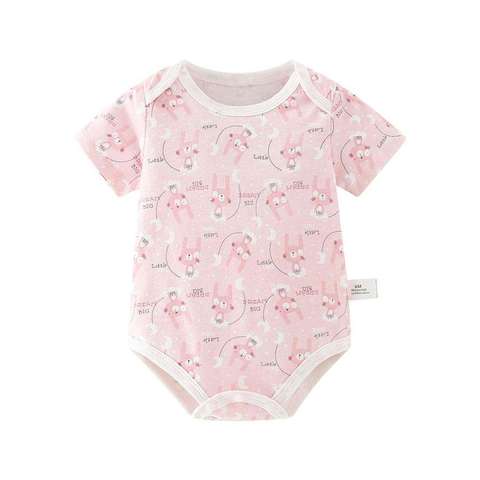
Primarily, the CPSIA mandates all children's clothing to have a Children's Product Certificate (CPC) that reflects compliance with applicable product safety rules. This certificate must be based on passing tests performed by a CPSC-accepted laboratory. Wholesalers must ensure that every batch of clothing undergoes this certification process to align with legislative expectations. Failure to comply can lead not just to financial penalties but also irrevocable damage to brand reputation.
Key Components of CPSIA Compliance
To navigate the CPSIA regulations effectively, wholesalers should pay attention to the following key components:
- Lead Content: CPSIA has strict limits on lead content in children's products, capping it at 100 ppm. Regular testing ensures compliance, safeguarding against potential health hazards associated with lead exposure.
- Phthalates Requirements: Phthalates, chemicals used to enhance flexibility in plastics, are restricted under CPSIA. Wholesalers need to ensure materials used in children's clothing are phthalate-free or compliant with established limits.
- Tracking Labels: Each item must bear a permanent tracking label, providing essential details such as the source, date, and batch number of the product. This facilitates traceability in the event of a recall.
- Flammability Standards: Clothing textiles must pass flammability tests to ensure safety in usage conditions prone to fire hazards.
Quality Control Audits in Children’s Clothing Wholesale
Beyond the legal stipulations, Quality Control (QC) audits play a critical role in maintaining product integrity and consumer trust. The QC process for children’s clothing involves a systematic examination of various product features including fabric quality, stitching strength, colorfastness, and size accuracy. Conducted at multiple stages of the production process, audits identify non-conformities and ensure products meet predefined standards.
Effective QC audits require collaboration across departments – from procurement to manufacturing and dispatch. Documenting processes and outcomes ensures accountability and provides insights for continuous improvement. The frequency and depth of these audits depend on factors such as production volume, market demands, and past performance.
Implementing Robust QC Strategies
Adopting a robust QC strategy is fundamental for wholesalers striving for excellence in children's clothing. Key strategies include:
- Supplier Vetting: Select suppliers with proven track records in fabric quality and safety compliance. Establishing long-term partnerships with reliable suppliers is indispensable.
- Employee Training: Equip employees with rigorous training on identifying defects and understanding certification requirements. Knowledgeable staff is vital for successful audits.
- Consumer Feedback Analysis: Regularly analyze customer reviews and complaints to identify areas needing improvement. Insightful feedback is a powerful tool for refining product quality.
- Technological Integration: Leverage technological solutions for real-time monitoring and automation of QC processes. This not only enhances efficiency but reduces the probability of human errors.
The Interplay Between Legal Compliance and Quality Control
The intersection of legal compliance and quality control reveals a comprehensive approach to children's clothing wholesale. Legal requirements set the parameters for product safety, while quality control ensures adherence throughout the production cycle. By integrating stringent QC audits with compliance checks, wholesalers can consistently produce merchandise that meets both regulatory standards and consumer expectations.
, a proactive approach in both domains fosters innovation, quality enhancement, and trust-building. Wholesalers who invest in robust compliance and quality assurance infrastructures are better positioned to respond to market fluctuations, cater to discerning clientele, and ultimately sustain competitive advantage.
As the landscape of children's clothing wholesale evolves, the intertwining of these facets necessitates vigilant oversight, exhaustive testing, and seamless integration of safety measures. Wholesalers who adeptly navigate this complex terrain stand to thrive in a regulatory environment that prioritizes safeguarding the most vulnerable demographic—children.
| Fabric Type | Pima Cotton |
| Compliance | OEKO-TEX 100 |
| Customization | Private Label |
| Lead Time | 23 Days |