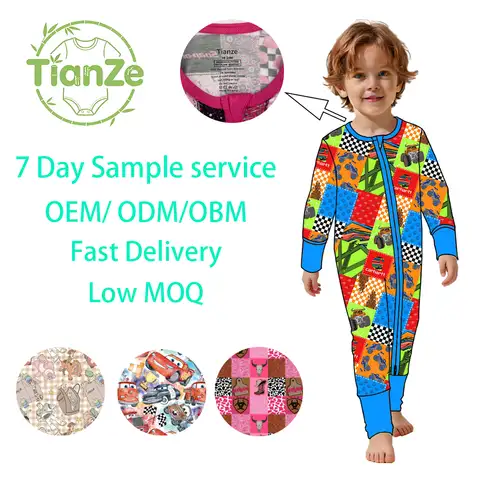
Custom Bamboo Pajamas Wholesale Private Label Factory

Understanding CPC/CPSIA Compliance in Bamboo Pajamas Wholesale
Offering bamboo pajamas in the wholesale market entails navigating a complex landscape of compliance and quality control, particularly under the Consumer Product Safety Improvement Act (CPSIA) and the Canadian Product Compliance (CPC) regimes. These legal frameworks are designed to ensure product safety and protect consumer interests, demanding that manufacturers and distributors grasp the requirements thoroughly.

Key CPSIA Regulations Impacting Bamboo Pajamas
The CPSIA, enacted to enhance consumer product safety, imposes stringent regulations. For wholesalers of bamboo pajamas, understanding these regulations is crucial. The law mandates testing for lead and phthalates, labeling requirements, and the provision of General Certificates of Conformity (GCC) for non-children's products. Bamboo fabric, known for its eco-friendliness and hypoallergenic properties, must still meet these safety standards.
Testing for flammability in clothing is a significant requirement under CPSIA. Bamboo pajamas, often chosen for their breathability and softness, must pass these tests before reaching the consumer. Compliance ensures not only safety but also instills confidence among retailers purchasing in bulk.
CPC Compliance for Canadian Markets
For businesses looking to enter the Canadian market, CPC compliance is equally essential. This regulatory framework requires products to meet safety standards, include proper labeling, and provide bilingual labels. Bamboo pajamas must adhere to textile labeling requirements under the Textile Labelling Act, which includes fiber content accuracy and country of origin.
, understanding the Environmental Protection Act (EPA) in Canada is crucial, as it influences the use of natural fibers like bamboo. Wholesalers need to verify that their products comply with all applicable environmental standards, considering bamboo’s reputation as a sustainable material.
Quality Control Audits in Bamboo Pajamas Manufacturing
Quality control (QC) audits play a pivotal role in ensuring the products meet both regulatory standards and retailer expectations. An audit typically involves checking material quality, production processes, and end-product specifications. For bamboo pajamas, this means ensuring the fabric's durability, the accuracy of sizes, and the integrity of packaging.
Performing regular QC audits not only helps in maintaining compliance but also enhances product quality, reducing return rates and increasing customer satisfaction. Wholesalers should establish a robust QC process, collaborating with third-party audit agencies specializing in textile products to ensure comprehensive inspections.
Streamlining Compliance and Quality Processes
Integrating compliance requirements and quality audits into the manufacturing and wholesale processes requires strategic planning. Providers should start by identifying regulatory obligations specific to bamboo pajamas, including sustainability certifications which are increasingly important to eco-conscious consumers.
Develop a compliance checklist tailored to both CPSIA and CPC requirements. This ensures every batch of pajamas released into the market meets legal standards, enhancing trust and minimizing legal risks. In addition, monitoring changes in legislation and adapting accordingly is vital for continuous compliance.
Supplier Partnerships and Certifications
Forming partnerships with reliable suppliers is critical. Suppliers should provide proof of compliance with CPC/CPSIA standards and maintain certifications like OEKO-TEX for bamboo fabric. This not only verifies the material's safety but also aligns with consumer demand for certified products.
Encouraging suppliers to undergo audits for ethical production practices is also beneficial. Bamboo’s sustainable image can be reinforced through transparent supply chains, which appeal to retailers and end consumers alike.
Leveraging Technology for Compliance and QC
Advancements in technology can streamline compliance and QC efforts. Implement software solutions that track compliance metrics, automate documentation processes, and provide real-time updates on regulatory changes. These tools can ensure the GCCs are accurate and updated, while simultaneously offering insights during QC audits.
, investing in digital inspection tools can enhance the efficiency of QC audits, enabling faster and more accurate detection of defects or non-compliance in the production line.
: Gaining a Competitive Edge
Navigating the complexities of CPC and CPSIA compliance coupled with stringent quality control audits can provide bamboo pajamas wholesalers with a competitive edge in the market. By prioritizing product safety and quality, businesses can differentiate themselves, gaining retailer trust and fostering consumer loyalty.
The future of bamboo pajamas wholesale lies in sustainable and compliant practices. By committing to excellence in safety standards and quality assurance, wholesalers can thrive in a market increasingly defined by conscientious consumption and regulatory rigor.
| Fabric Type | Pima Cotton |
| Compliance | ASTM F963 |
| Customization | OEM |
| Lead Time | 37 Days |