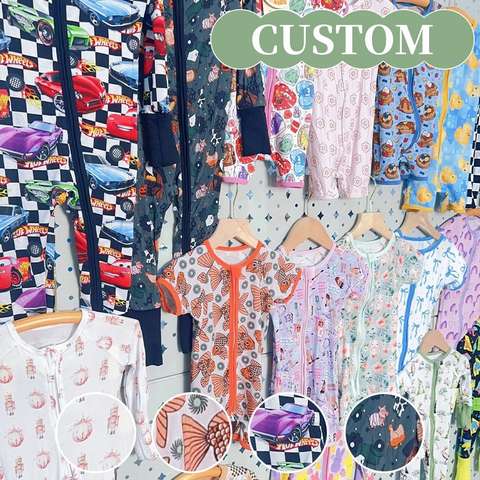
Custom Baby Leg Warmers Wholesale Tailormade Wholesale
Ensuring Compliance in Baby Leg Warmers Wholesale: CPC/CPSIA Requirements and QC Audits
The wholesale market for baby leg warmers is vibrant and rapidly evolving, becoming increasingly popular among retailers looking to expand their product offerings in the baby apparel sector. However, as wholesalers venture into this lucrative market space, it is imperative to pay close attention to legal requirements and quality control protocols to ensure compliance. Central to this adherence are the Consumer Product Safety Commission (CPSC) regulations, specifically the Consumer Product Safety Improvement Act (CPSIA), and a robust quality control (QC) audit system.
Understanding CPC/CPSIA Compliance
The CPSIA sets forth stringent guidelines aimed at enhancing the safety of products, particularly those intended for use by children. Compliance with these standards is non-negotiable for any wholesaler operating in the children’s apparel segment, including baby leg warmers. The act covers vital areas such as lead content, phthalates regulations, and consumer product labeling, with the primary legal document being the Children’s Product Certificate (CPC).
To start, wholesalers must ensure that baby leg warmers meet the lead content requirements. The CPSIA mandates that lead content must not exceed 100 parts per million (ppm) in accessible parts of children's products. Similarly, products must comply with phthalate restrictions, which are chemicals often used in plastics. This is essential because baby leg warmers sometimes incorporate plastic buttons or embellishments.
The CPC is a pivotal document that acts as a proof of product compliance with all applicable safety rules. It must accompany each batch of leg warmers that are imported into the U.S. or offered for sale. Besides confirming product safety, this certificate strengthens the brand’s trustworthiness and assures retailers of the commitment to safety standards.
Implementing Comprehensive QC Audits
A rigorous QC audit system is crucial to ensure that all baby leg warmers meet high standards of quality and safety. This process begins with a detailed inspection of the raw materials used in production. Fabric quality, color fastness, and texture are scrutinized to ensure that the leg warmers are not only comfortable but also durable and safe for babies.
During production, QC audits encompass several stages, including inspections at the beginning, middle, and end stages of manufacturing. This includes checks for stitching accuracy, design consistency, and the functionality of any embellishments or closures. By conducting thorough product testing, wholesalers can identify potential defects early and mitigate risks, ensuring that only the highest quality products proceed to market.
Post-production audits are equally important. These final quality checks involve comprehensive product testing, often overseen by third-party entities to bolster objectivity and reliability in compliance verification. Multilevel audits help guarantee that each baby leg warmer adheres to both CPSIA standards and customer expectations.
Challenges and Strategies for Streamlined Compliance
Despite the clear guidelines outlined by CPSIA, wholesalers often face challenges in maintaining compliance while managing costs and production efficiency. One common difficulty is staying updated with constantly evolving regulations and integrating these into existing systems. A strategy that proves beneficial entails investing in specialized compliance software and consulting with legal experts familiar with CPSC standards. This approach not only reduces potential compliance breaches but also enhances operational efficiencies.
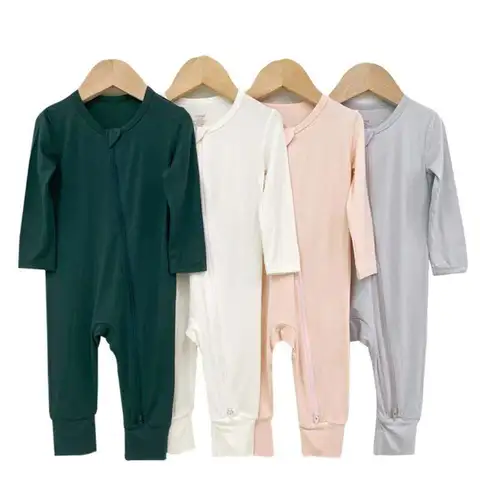
| Fabric Type | Organic Bamboo |
| Compliance | CPC Certified |
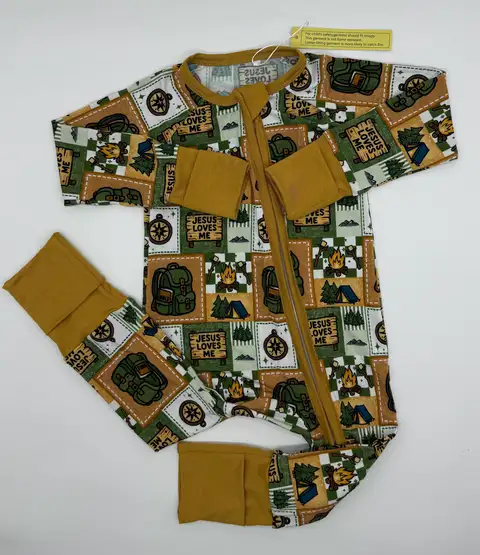
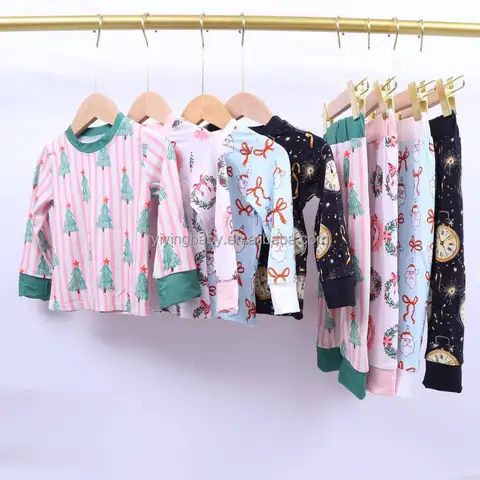
| Customization | Tailor-made |
| Lead Time | 16 Days |
Another challenge is the fluctuating supply chain dynamics, which can complicate adherence to established QC protocols. Strengthening supplier relationships ensures consistency in the quality of materials used, while fostering transparent communication works to align all stakeholders on compliance expectations. Regular training and workshops for staff involved in the sourcing and production processes further bolster these efforts, making compliance a collective responsibility.
Ensuring competitive pricing while maintaining compliance is crucial for wholesalers. Economies of scale can play a significant role in this endeavor. By producing larger quantities of baby leg warmers, wholesalers can distribute the compliance costs over a more extensive inventory, reducing the per-unit cost. Additionally, leveraging efficient distribution channels optimizes logistical operations, minimizing overhead while enhancing market reach.
The Importance of Transparency and Reputation
Transparency in adhering to CPC/CPSIA requirements and comprehensive QC audits positions wholesalers as trustworthy partners to retailers. As consumers become more conscious of product safety, this transparency fosters long-term relationships and brand loyalty among retailers and end-users alike.
Building a solid reputation transcends legal compliance. It involves consistent commitment to quality and safety and the ability to adapt swiftly to industry changes. Wholesalers should maintain an open channel of communication with their retail partners, offering insights into compliance processes and demonstrating proactive measures in safeguarding consumers. This rapport not only enhances business relations but also establishes a competitive edge in the wholesale market.
In closing, the wholesale market for baby leg warmers is rich with opportunity yet laden with regulatory and quality control obligations. By understanding and adhering to CPC/CPSIA requirements, implementing rigorous QC audits, and maintaining transparent operations, wholesalers can protect their business interests while fostering a safe and trustworthy product environment.