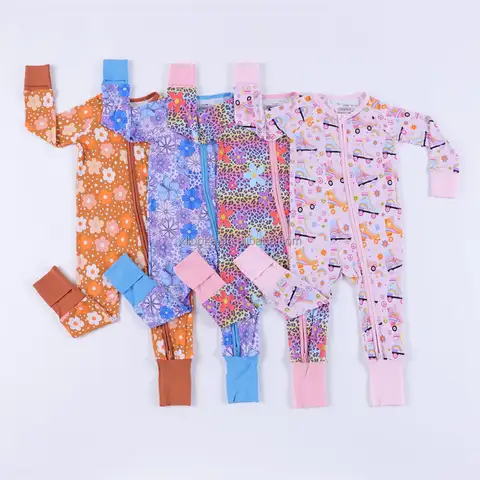
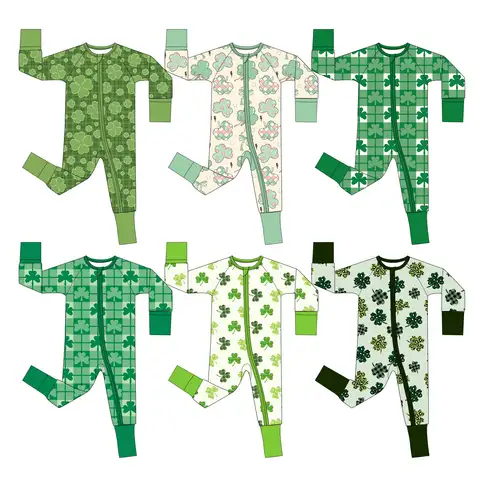
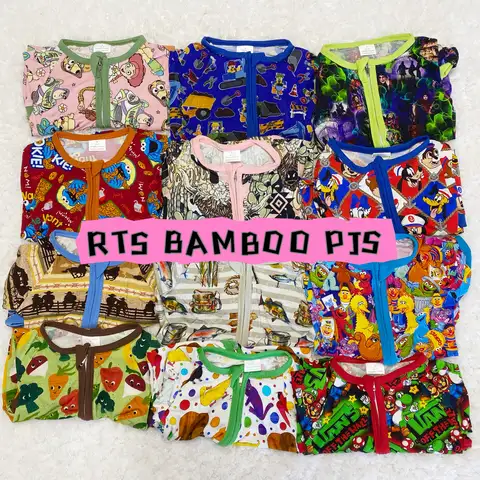
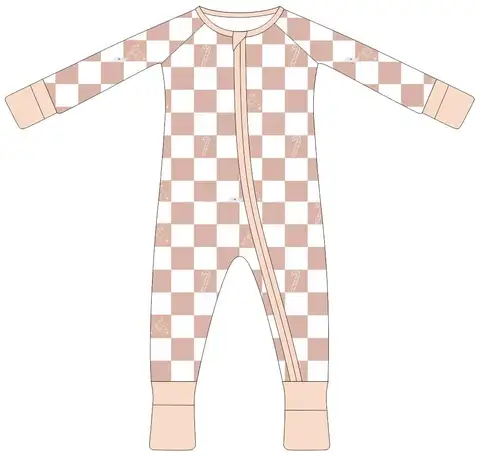
Custom Baby Clothes Maker Private Label Supplier
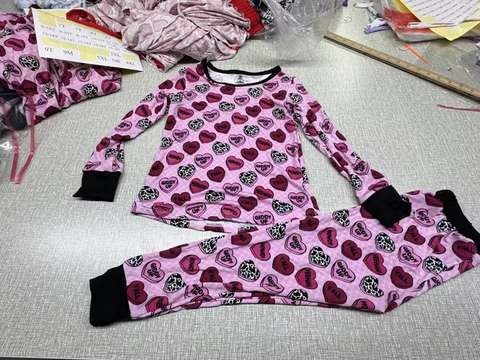
The Intricacies of Compliance and Quality Control in Baby Clothing Manufacturing
Manufacturing baby clothing is an industry that intricately interweaves creativity, softness, and safety. However, beneath the soft fabric lies a stringent framework of legal requirements and quality control audits, particularly from the Consumer Product Safety Commission (CPSC) regulations and the Consumer Product Safety Improvement Act (CPSIA). This article delves into how contemporary baby clothes makers navigate these complexities to deliver products that are both market-compliant and of high quality.
Understanding CPC/CPSIA Legal Requirements
The landscape of children's apparel manufacturing is heavily monitored to ensure safety standards are met, positioning CPC (Children’s Product Certificate) and CPSIA (Consumer Product Safety Improvement Act) requirements at the core of baby clothing production. Observance of these mandates is not optional but essential, as they serve to certify that the products meet federal safety standards.
Manufacturers are required to conduct third-party testing of their products. This ensures that every item, from pajamas to casual wear, is tested for hazardous substances such as lead and phthalates and that the design mitigates risks of asphyxiation or strangulation. The CPSIA mandates detailed tracking labels on children’s products, providing information such as the manufacturer’s details, production dates, and batch numbers, enabling traceability in case issues arise.
Quality Control Audits: Safeguarding Product Integrity
Alongside meeting CPC and CPSIA requirements, conducting regular quality control (QC) audits forms the backbone of ensuring product quality in baby clothes manufacturing. QC audits are systematic inspections of the production process, aiming to identify and rectify defects before products reach the market. This not only preserves the brand's reputation but also mitigates the risk of costly recalls.
Inspection and Testing: QC audits involve inspection and testing at various production stages. Fabric and trim inspections ensure materials meet specified safety and quality standards before production begins. The production process should be frequently monitored to ensure that factories maintain consistency with quality benchmarks. Finished goods inspections provide a final layer of assurance before packaging and distribution.
Performance Testing: Baby clothing must withstand both typical wear and rigorous washing, as well as fit comfortably. QC audits involve performance testing to ensure garments do not bleed colors, shrink excessively, or distort in shape, maintaining suitability and safety for infants.
Mitigating Compliance Risks
The heightened scrutiny and stringent requirements in baby clothes manufacturing can pose significant compliance risks. It requires manufacturers to adopt a proactive and comprehensive approach to both design and production processes.
Manufacturers must stay informed about the latest compliance updates, leveraging industry networks and consultancy services to adapt swiftly to new regulations. Investing in trained compliance officers or contract experts specialized in regulatory affairs can help navigate these legal landscapes efficiently, ensuring adherence to CPC and CPSIA requirements.
Implementing robust internal compliance checklists can act as a continual reminder and verification tool for all production lines. Are labeling practices consistently followed? Are materials sourced from compliant vendors? Are test results thoroughly documented and reviewed? These checklists ensure consistent compliance practices throughout every product cycle.
Innovations in Safer Baby Clothing
Manufacturers are increasingly embracing material innovations and technology to enhance safety and compliance in baby clothes. Organic materials such as GOTS-certified cotton reduce the exposure to harmful chemicals, offering environmentally sustainable and safe alternatives for infants' delicate skin. Innovations in fastener designs aim to eliminate small parts that pose choking hazards, creating safer clothing without compromising on functional and aesthetic appeal.
Technology integration, such as QR-coded tracking labels, offers enhanced traceability and ease of monitoring by consumers and retailers alike. The application of RFID (Radio-Frequency Identification) in batch tracking and inventory management brings efficiency and transparency, further supporting compliance and quality assurance efforts.
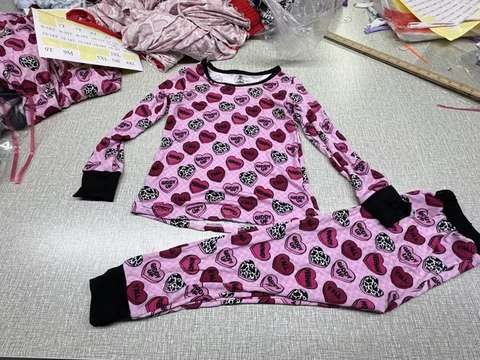
: Navigating the Compliance and Quality Maze
The role of a baby clothes maker transcends beyond creativity and textile skills; it encompasses a profound responsibility to safeguard infant health through stringent adherence to CPC/CPSIA regulations and rigorous quality control audits. In an industry where the smallest detail can have the most significant impact, staying informed and vigilant with compliance and quality standards is essential.
Through diligent adherence to legal requirements and the continuous enhancement of QC processes, manufacturers can ensure that every item of baby clothing is not just a piece of fabric but a testament to safety, trust, and quality.
| Fabric Type | Organic Bamboo |
| Compliance | CPSIA Compliant |
| Customization | Custom |
| Lead Time | 29 Days |